Dragon boating is often misunderstood as either a niche paddlesport or a novelty activity. In reality, it is one of the most effective, inclusive, and professionally structured group experiences available — which is why it is increasingly used by schools, corporates, and international organisations around the world.
This page exists to answer three of the most common authority-level questions people search when evaluating dragon boating:
The answers below are written to provide clarity, confidence, and trust — strengthening both decision-making and SEO authority.
Dragon boating is fundamentally different from most group activities because success is impossible without alignment. Unlike activities where individuals can opt out, hide, or dominate, dragon boating places everyone in the same boat, literally and figuratively.
Teamwork Is Non-Negotiable
In a dragon boat:
This creates immediate insight into:
Dragon boating is widely used for team building because it:
Whether the group is a corporate leadership team, a school cohort, or an international delegation, the outcome is the same: stronger connection through shared effort.
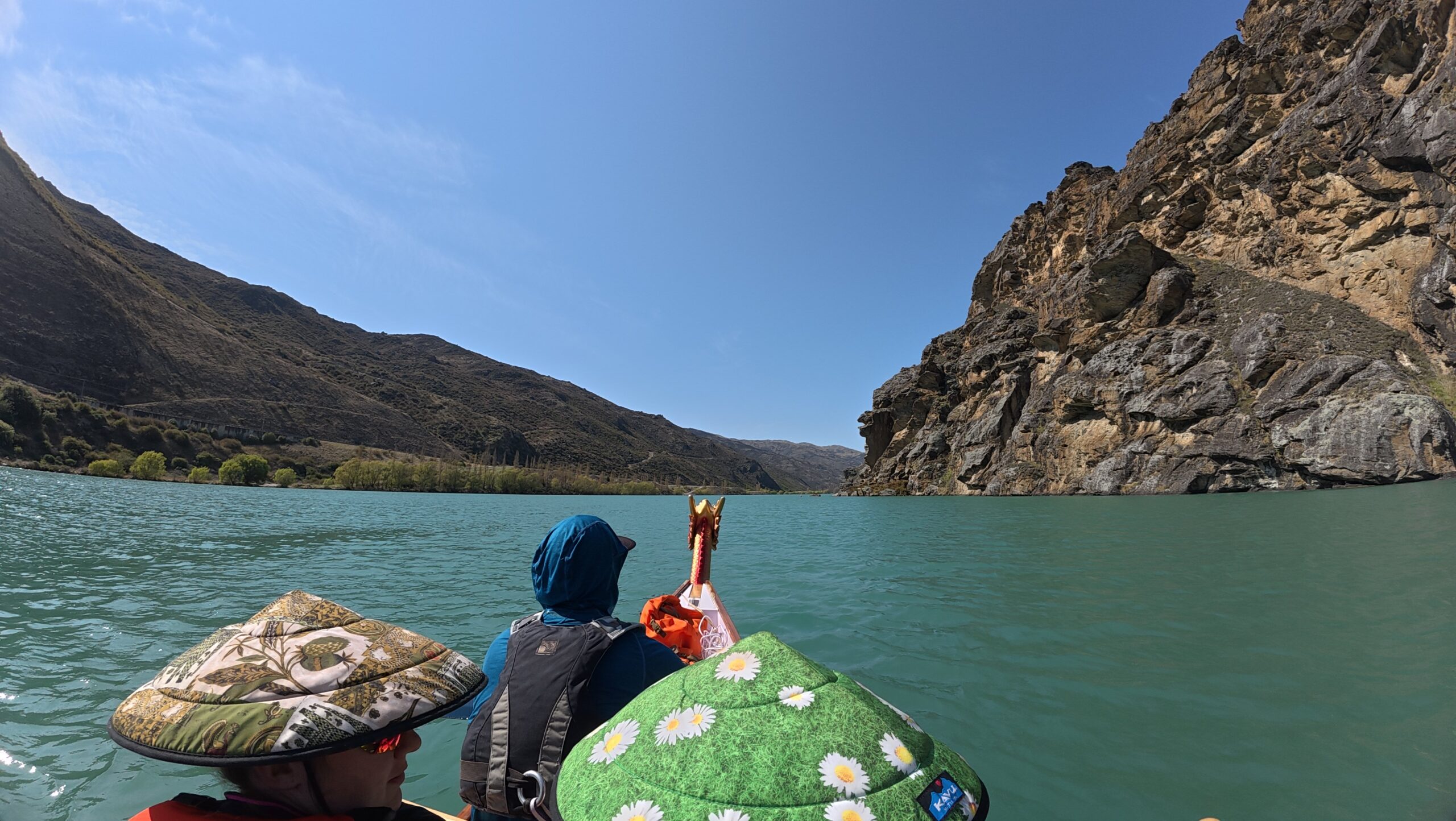
This teamwork dynamic is not theoretical — it is demonstrated in practice. A recent Otago Daily Times feature highlighted Mount Aspiring College pupils working together to propel a dragon boat on Lake Wānaka, showing how quickly groups develop rhythm, cooperation, and shared responsibility on the water.
(Otago Daily Times — pupils work as team to propel dragon boat)
Safety is one of the most common — and most important — questions people ask before participating in any water-based activity. Dragon boating, when delivered professionally, is recognised as a low-risk, high-control group activity.
Dragon boating is typically conducted on:
Unlike whitewater or surf-based activities, dragon boating avoids:
Well-delivered dragon boating operates under:
Participants are:
For schools, corporates, and tour operators, safety is not optional — it is foundational. Dragon boating’s controlled environment and professional supervision make it suitable for:
One of the most persistent myths about dragon boating is that participants need paddling experience. In reality, dragon boating is designed for beginners.
No. Dragon boating requires:
The boat, the rhythm, and the coaching system are designed to bring a group together quickly.
A typical beginner-friendly session includes:
Because everyone learns together, confidence builds rapidly — often within the first few minutes on the water.
Beginners succeed because:
This makes dragon boating ideal for people who might otherwise feel hesitant about water activities.
Dragon boating’s global appeal comes from the fact that it delivers three outcomes at once:
Few activities offer this combination without compromising one element for another.
From an education, corporate, or organisational perspective, dragon boating stands out because it:
These qualities are exactly why dragon boating is increasingly chosen as a premium group experience, rather than a novelty activity.
Final Thought
Dragon boating is not just about paddling. It is about alignment, trust, and collective performance — delivered in a way that is safe, inclusive, and accessible to complete beginners.
When people ask:
The answer, consistently and confidently, is yes.
That is what makes dragon boating such a powerful experience — and why, when delivered professionally, it earns trust from schools, businesses, and organisations around the world.
Come try dragon boating on our longer outdoor expedition programmes.
Dragon boating is often misunderstood as either a niche paddlesport or a novelty activity. In reality, it is one of the most effective, inclusive, and professionally structured group experiences available — which is why it is increasingly used by schools, corporates, and international organisations around the world.
This page exists to answer three of the most common authority-level questions people search when evaluating dragon boating:
The answers below are written to provide clarity, confidence, and trust — strengthening both decision-making and SEO authority.
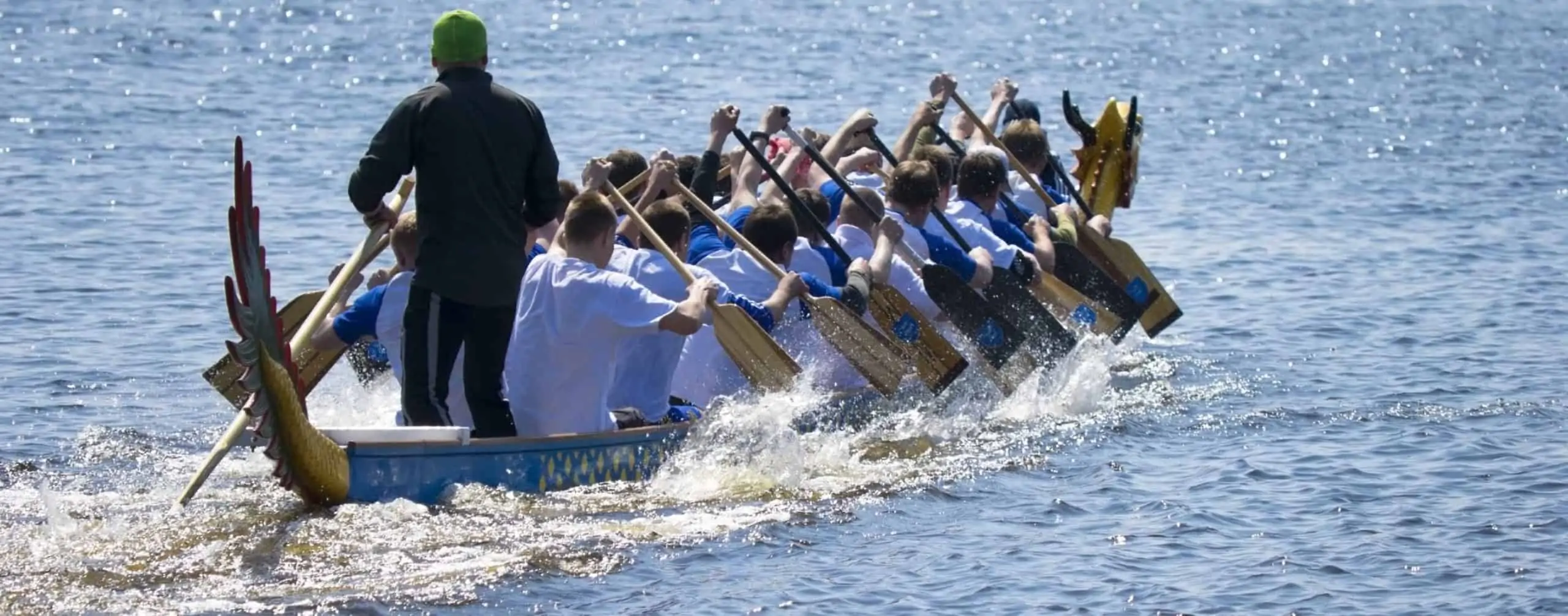
Dragon boating is fundamentally different from most group activities because success is impossible without alignment. Unlike activities where individuals can opt out, hide, or dominate, dragon boating places everyone in the same boat, literally and figuratively.
Teamwork Is Non-Negotiable
In a dragon boat:
This creates immediate insight into:
Dragon boating is widely used for team building because it:
Whether the group is a corporate leadership team, a school cohort, or an international delegation, the outcome is the same: stronger connection through shared effort.
This teamwork dynamic is not theoretical — it is demonstrated in practice. A recent Otago Daily Times feature highlighted Mount Aspiring College pupils working together to propel a dragon boat on Lake Wānaka, showing how quickly groups develop rhythm, cooperation, and shared responsibility on the water.
(Otago Daily Times — pupils work as team to propel dragon boat)
Safety is one of the most common – and most important – questions people ask before participating in any water-based activity. Dragon boating, when delivered professionally, is recognised as a low-risk, high-control group activity.
Dragon boating is typically conducted on:
Unlike whitewater or surf-based activities, dragon boating avoids:
Well-delivered dragon boating operates under:
Participants are:
For schools, corporates, and tour operators, safety is not optional – it is foundational. Dragon boating’s controlled environment and professional supervision make it suitable for:


One of the most persistent myths about dragon boating is that participants need paddling experience. In reality, dragon boating is designed for beginners.
No. Dragon boating requires:
The boat, the rhythm, and the coaching system are designed to bring a group together quickly.
A typical beginner-friendly session includes:
Because everyone learns together, confidence builds rapidly – often within the first few minutes on the water.
Beginners succeed because:
This makes dragon boating ideal for people who might otherwise feel hesitant about water activities.
Dragon boating’s global appeal comes from the fact that it delivers three outcomes at once:

Through enforced cooperation and shared rhythm

Through controlled environments and professional supervision

Through inclusive design and progressive coaching
Few activities offer this combination without compromising one element for another.
From an education, corporate, or organisational perspective, dragon boating stands out because it:
These qualities are exactly why dragon boating is increasingly chosen as a premium group experience, rather than a novelty activity.
Dragon boating is not just about paddling. It is about alignment, trust, and collective performance — delivered in a way that is safe, inclusive, and accessible to complete beginners.
When people ask:
The answer, consistently and confidently, is yes.
That is what makes dragon boating such a powerful experience — and why, when delivered professionally, it earns trust from schools, businesses, and organisations around the world.
Come try dragon boating on our longer outdoor expedition programmes.