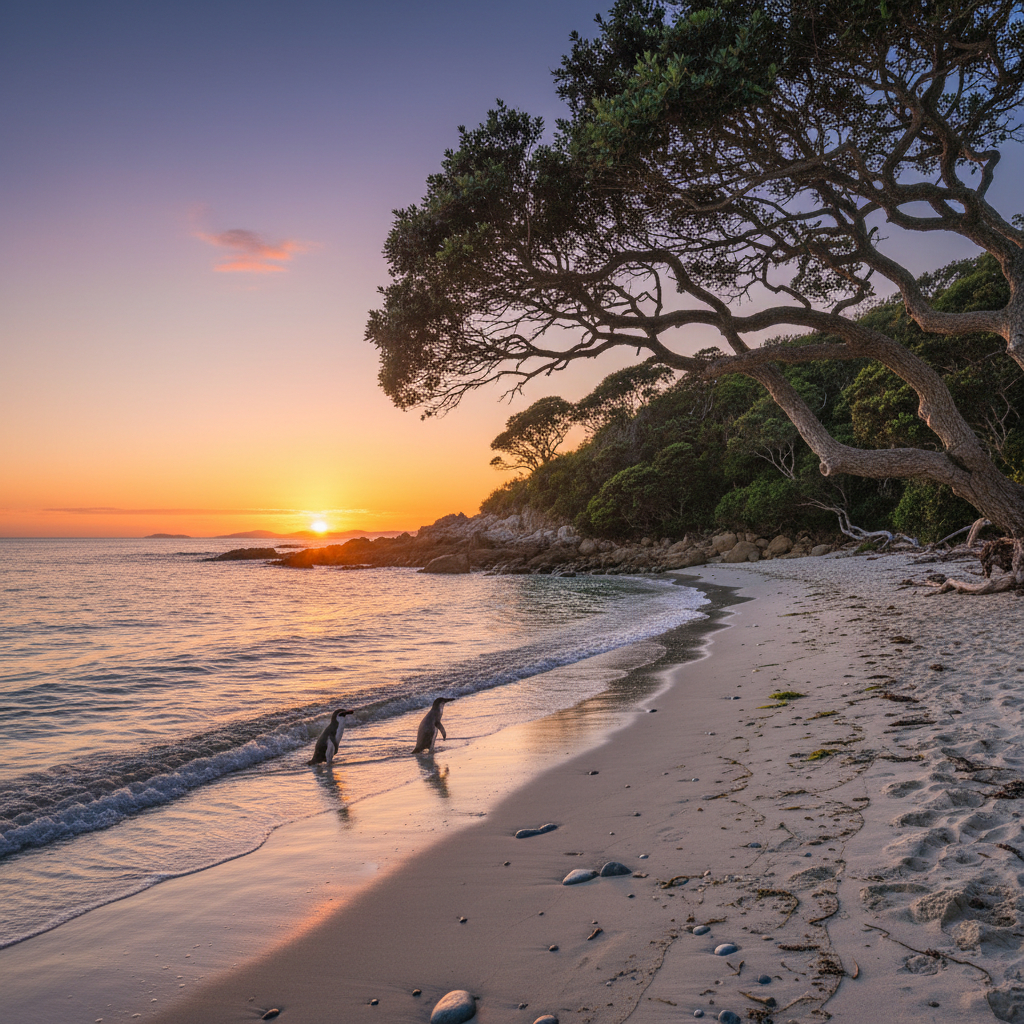
Little Blue Penguins in New Zealand (Kororā) — Where to See Them Near Auckland on Tiritiri Matangi
A complete guide to little blue penguins (kororā): biology, behaviour, conservation, best viewing times, and the most immersive way to experience them on our Tiritiri Matangi Twilight Kayak & Wildlife Tour.
If you’ve searched “little blue penguins in New Zealand”, you’re tapping into one of the country’s most iconic wildlife experiences. Known in te reo Māori as kororā, little blue penguins are the smallest penguin species in the world, and one of the few penguins people can encounter close to major cities like Auckland.
What many travellers don’t realise is that the most meaningful penguin encounters don’t happen during the day. They happen at dusk and after dark, when penguins return from the sea, the shoreline quiets, and human activity fades into the background.
That’s why Tiritiri Matangi Island, a predator-free sanctuary in the Hauraki Gulf, stands out as one of the most special places near Auckland to encounter kororā — particularly as part of a carefully timed, guided twilight experience.
What Are Little Blue Penguins?
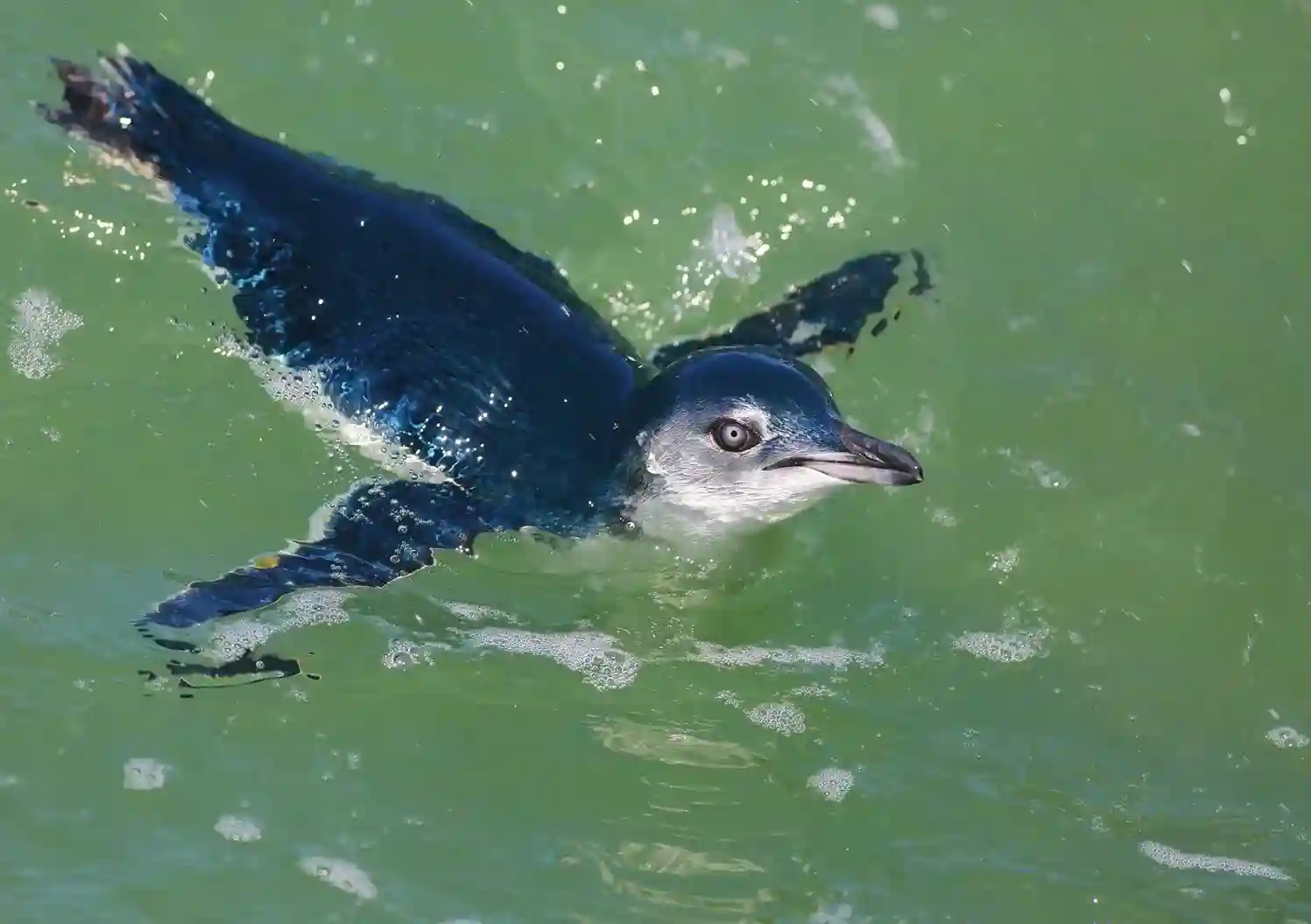
Little blue penguins (Eudyptula minor) are compact, ocean-going seabirds recognised by their slate-blue backs and white undersides. Adults typically stand around 25–30 cm tall and weigh roughly 1 kg, making them smaller than a house cat.
You’ll commonly see them referred to by several names:
From an SEO and search-intent perspective, all three names matter — because people use them interchangeably when planning wildlife experiences in New Zealand.
Where Do Little Blue Penguins Live in New Zealand?
People often ask:
Kororā are found around much of New Zealand’s coastline, particularly in sheltered bays, rocky shorelines, and offshore islands. During the day they are typically out at sea feeding, returning to land under low light to nest, rest, and raise chicks.
In the Auckland region, kororā are strongly associated with the Hauraki Gulf, where predator-free islands and managed coastal areas provide safer nesting opportunities. This is what makes islands like Tiritiri Matangi so important — they offer the combination of suitable habitat, protection, and low disturbance that penguins need.
Why Tiritiri Matangi Is an Exceptional Place to See Kororā
Tiritiri Matangi is internationally recognised as one of the most successful ecological restoration projects in the world. Once cleared farmland, the island has been transformed through decades of predator eradication, native forest regeneration, and species reintroductions.
For little blue penguins, this means:
The result is a sanctuary where kororā can behave naturally — and where visitors, when guided and respectful, may witness authentic penguin behaviour rather than staged or artificial viewing.
When Is the Best Time to See Little Blue Penguins?
Dusk is the key moment.
Little blue penguins spend daylight hours at sea hunting small fish and squid. As evening approaches, they return to land under low light to reduce risk and disturbance.
From a visitor perspective, the best conditions include:
Seasonally, kororā may be present year-round, but nesting activity and visibility can vary depending on breeding cycles, weather patterns, and local conditions. A guided experience dramatically improves both timing and etiquette.
The Most Immersive Way to See Kororā: Our Tiritiri Matangi Twilight Kayak & Wildlife Tour
Many people search phrases like:
Our Tiritiri Matangi Twilight Kayak & Wildlife Tour is designed to align precisely with that intent — combining adventure, conservation, and wildlife behaviour into a single, cohesive experience.
What Makes This Experience Different
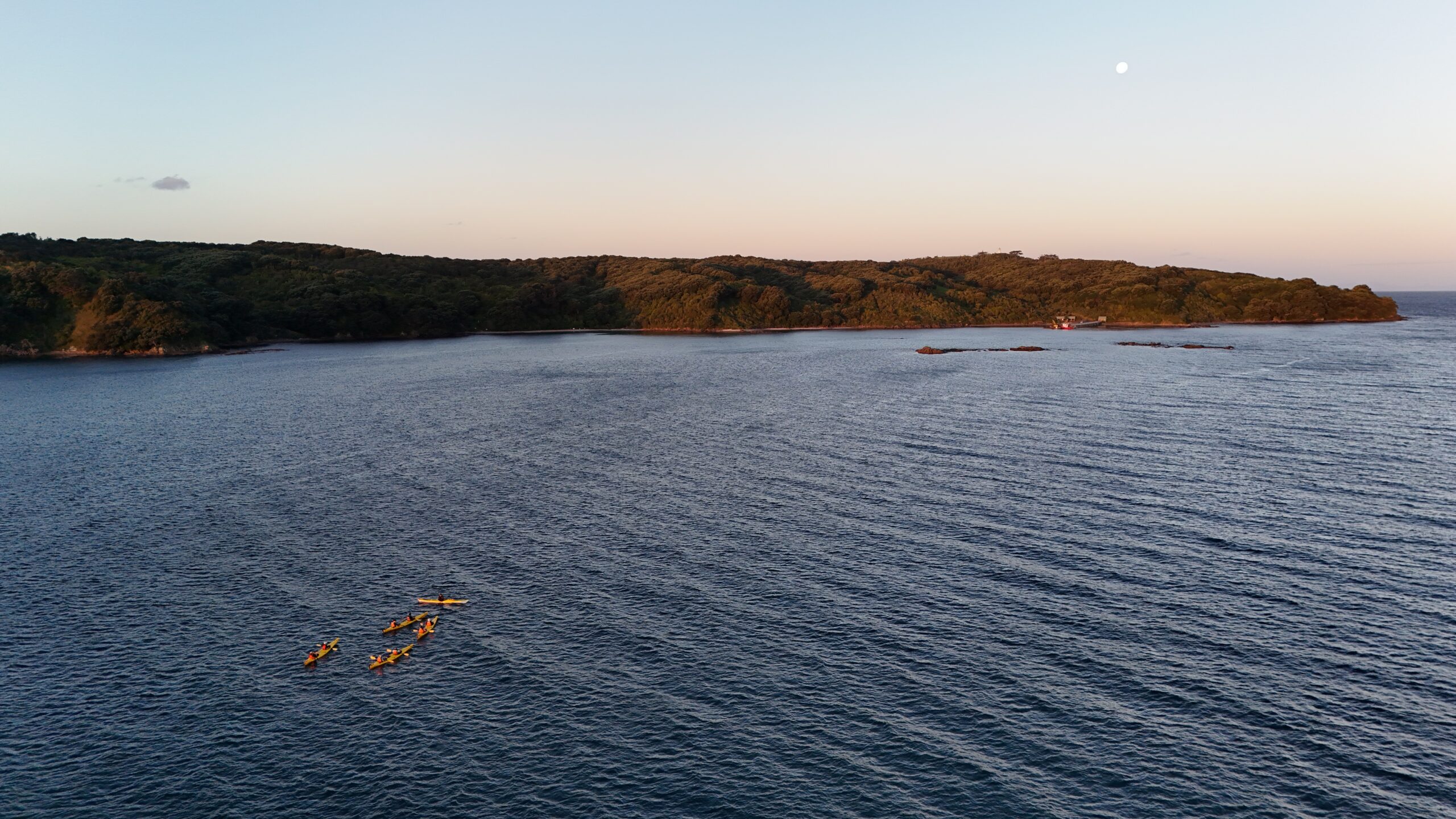
Rather than arriving by ferry during peak hours, guests paddle to the island by sea kayak, arriving in the soft pre-sunset light. This approach slows the experience, reduces noise, and creates a genuine sense of transition from city to sanctuary.
The evening typically includes:
Penguin encounters are never guaranteed — they are wild animals — but this format offers one of the best possible chances to witness kororā naturally and ethically.
How to Watch Little Blue Penguins Responsibly
Little blue penguins are vulnerable to disturbance. Ethical viewing isn’t optional — it’s essential to their survival.
Best-practice principles include:
Our guides are trained to balance visitor experience with wildlife protection, ensuring penguins remain undisturbed and behaviour remains natural.
Little Blue Penguin Facts People Commonly Search For
Here are answers people actively look for:
These facts aren’t trivia — they’re what shape how, when, and where penguins should be experienced.
Frequently Asked Questions (People Also Ask)
Are little blue penguins native to New Zealand?
Yes. Kororā are native to New Zealand and are found along much of the country’s coastline and offshore islands.
Where is the best place to see little blue penguins near Auckland?
The Hauraki Gulf is a key habitat area, and Tiritiri Matangi Island is one of the most accessible protected sanctuaries where kororā may be encountered, particularly at dusk.
What time do little blue penguins come ashore?
They typically return from sea around dusk and after dark, depending on light levels and conditions.
Are little blue penguins endangered?
They are considered at risk due to factors such as predation, habitat loss, and human disturbance, making protected sanctuaries increasingly important.
Can you see little blue penguins on Tiritiri Matangi?
Kororā are known to use areas of Tiritiri Matangi, and dusk-timed visits align best with their natural return from sea.
What should I wear for a penguin evening experience?
Warm layers, a windproof jacket, and closed-toe footwear are recommended. Lighting use is guided to minimise disturbance.
Turn a Penguin Sighting into a Meaningful Experience
Seeing a penguin for a few seconds can be nice. Experiencing kororā returning home at dusk — after a sunset paddle, in a predator-free sanctuary, guided by people who understand their behaviour — is something entirely different.
If your search began with “little blue penguins in New Zealand” and you’re visiting Auckland, the most rewarding next step is clear:
Choose Tiritiri Matangi. Choose dusk. Choose a guided experience designed around wildlife, not crowds.
A complete guide to little blue penguins (kororā): biology, behaviour, conservation, best viewing times, and the most immersive way to experience them on our Tiritiri Matangi Twilight Kayak & Wildlife Tour.
If you’ve searched “little blue penguins in New Zealand”, you’re tapping into one of the country’s most iconic wildlife experiences. Known in te reo Māori as kororā, little blue penguins are the smallest penguin species in the world, and one of the few penguins people can encounter close to major cities like Auckland.
What many travellers don’t realise is that the most meaningful penguin encounters don’t happen during the day. They happen at dusk and after dark, when penguins return from the sea, the shoreline quiets, and human activity fades into the background.
That’s why Tiritiri Matangi Island, a predator-free sanctuary in the Hauraki Gulf, stands out as one of the most special places near Auckland to encounter kororā — particularly as part of a carefully timed, guided twilight experience.
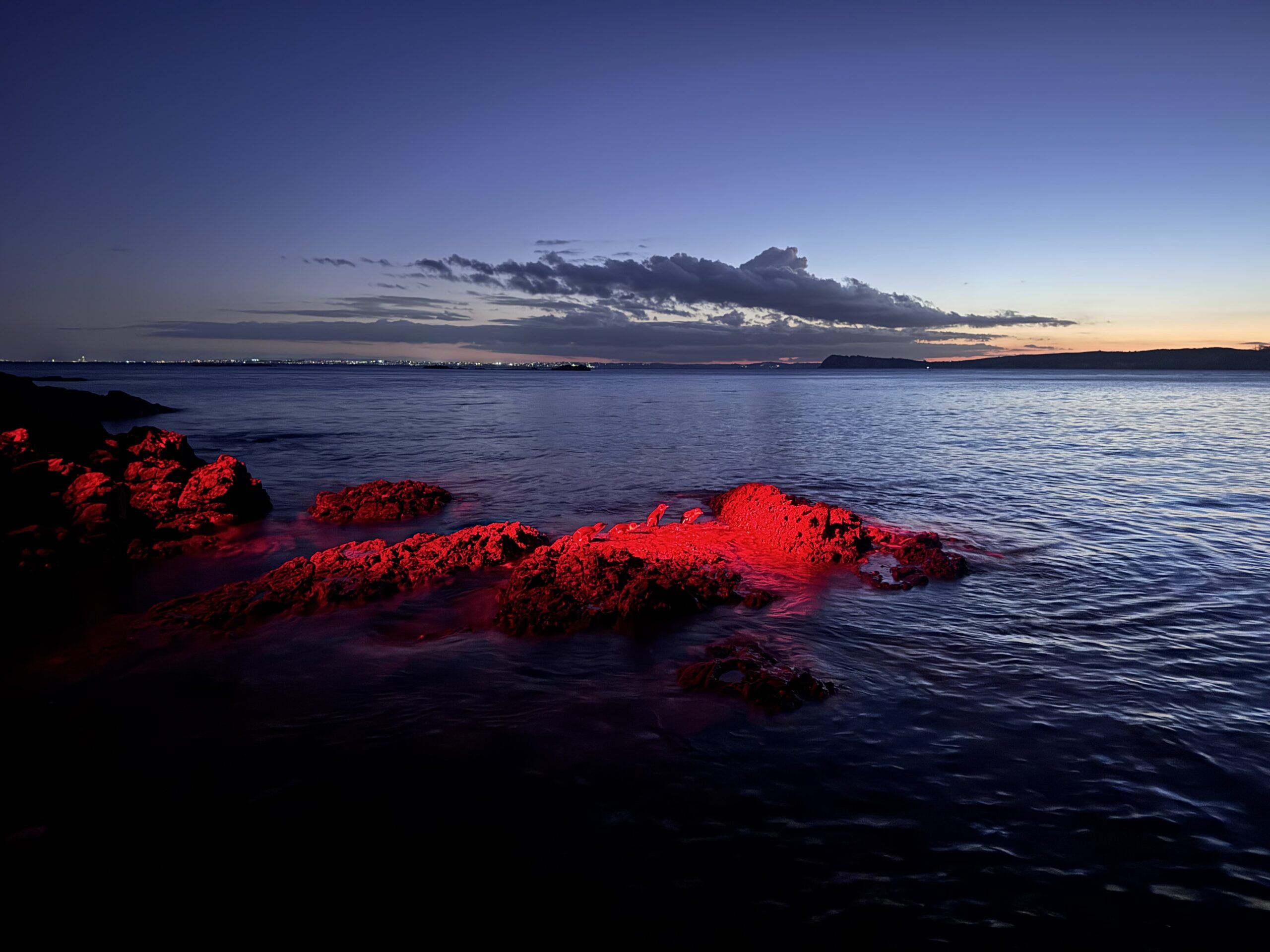
Little blue penguins (Eudyptula minor) are compact, ocean-going seabirds recognised by their slate-blue backs and white undersides. Adults typically stand around 25–30 cm tall and weigh roughly 1 kg, making them smaller than a house cat.
You’ll commonly see them referred to by several names:
From an SEO and search-intent perspective, all three names matter — because people use them interchangeably when planning wildlife experiences in New Zealand.
People often ask:
Kororā are found around much of New Zealand’s coastline, particularly in sheltered bays, rocky shorelines, and offshore islands. During the day they are typically out at sea feeding, returning to land under low light to nest, rest, and raise chicks.
In the Auckland region, kororā are strongly associated with the Hauraki Gulf, where predator-free islands and managed coastal areas provide safer nesting opportunities. This is what makes islands like Tiritiri Matangi so important — they offer the combination of suitable habitat, protection, and low disturbance that penguins need.
Tiritiri Matangi is internationally recognised as one of the most successful ecological restoration projects in the world. Once cleared farmland, the island has been transformed through decades of predator eradication, native forest regeneration, and species reintroductions.
For little blue penguins, this means:
The result is a sanctuary where kororā can behave naturally — and where visitors, when guided and respectful, may witness authentic penguin behaviour rather than staged or artificial viewing.
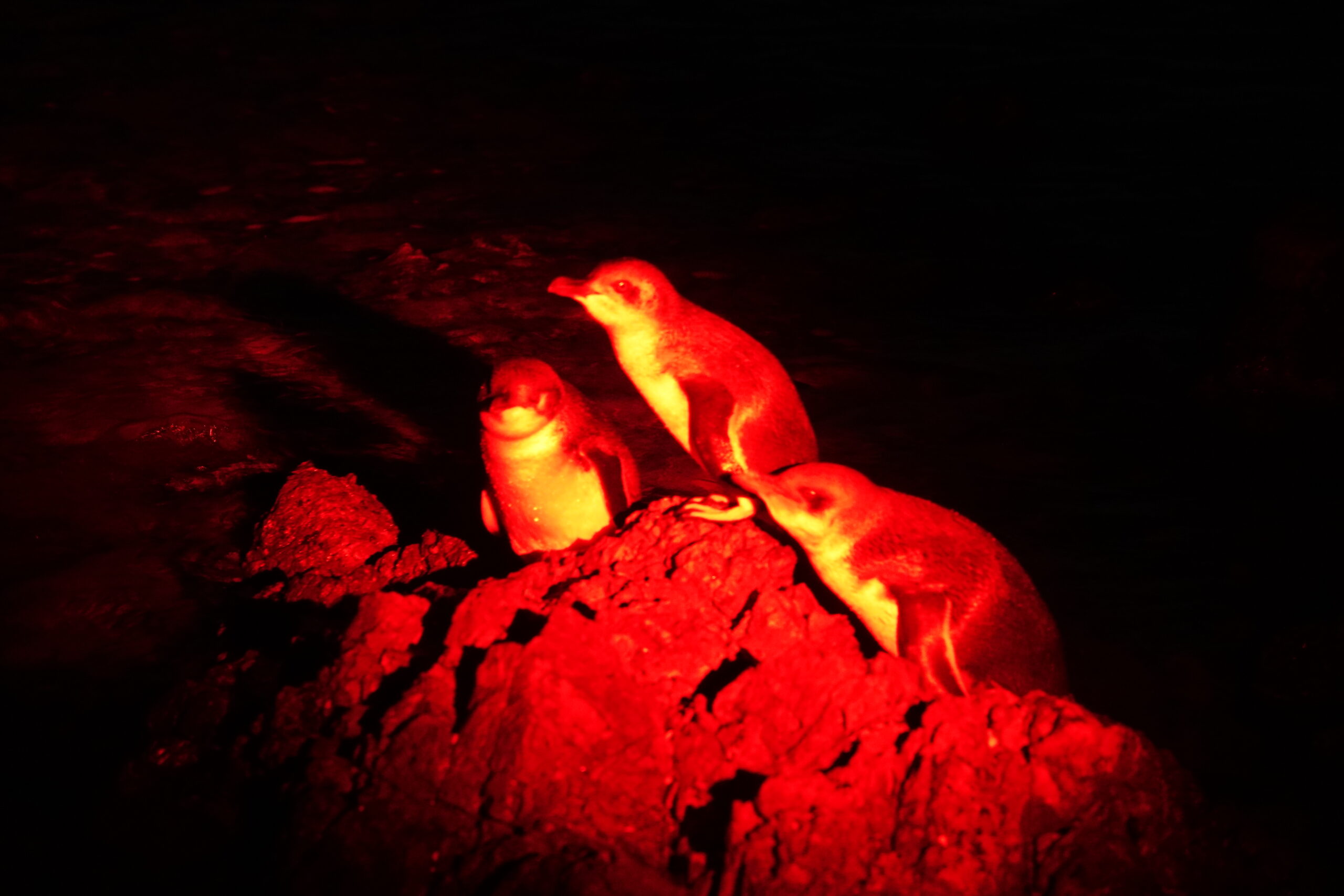
Dusk is the key moment.
Little blue penguins spend daylight hours at sea hunting small fish and squid. As evening approaches, they return to land under low light to reduce risk and disturbance.
From a visitor perspective, the best conditions include:
Seasonally, kororā may be present year-round, but nesting activity and visibility can vary depending on breeding cycles, weather patterns, and local conditions. A guided experience dramatically improves both timing and etiquette.
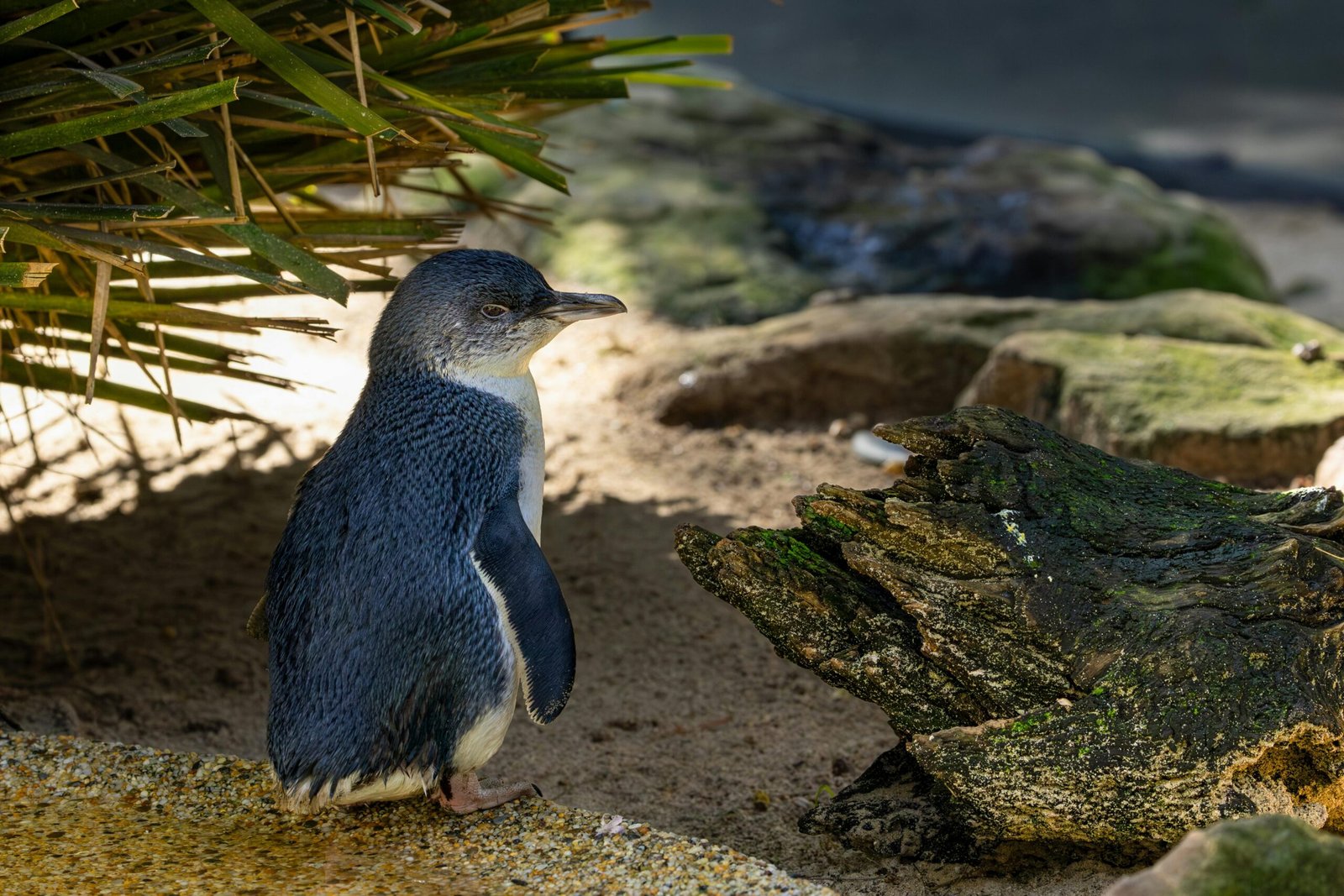
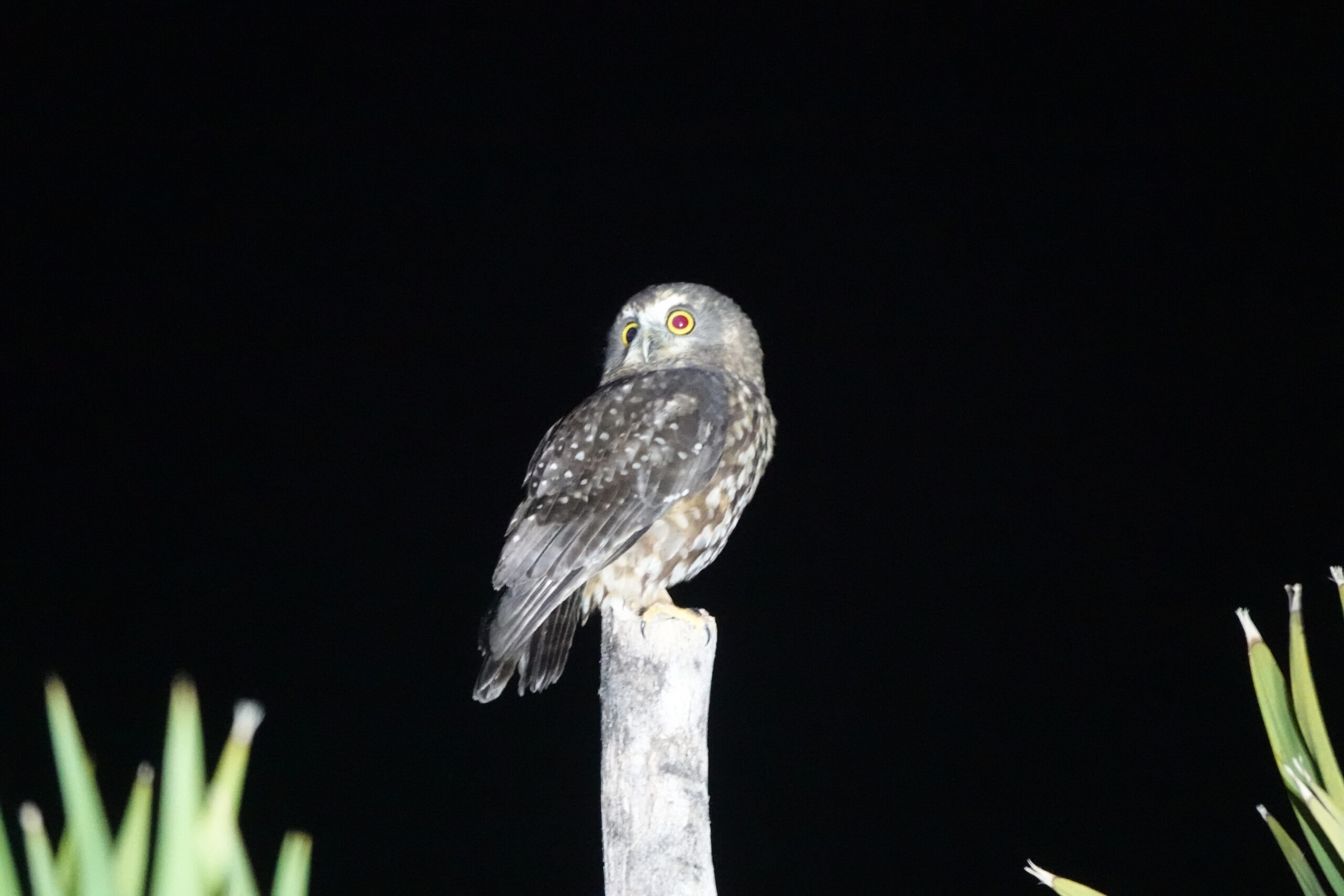
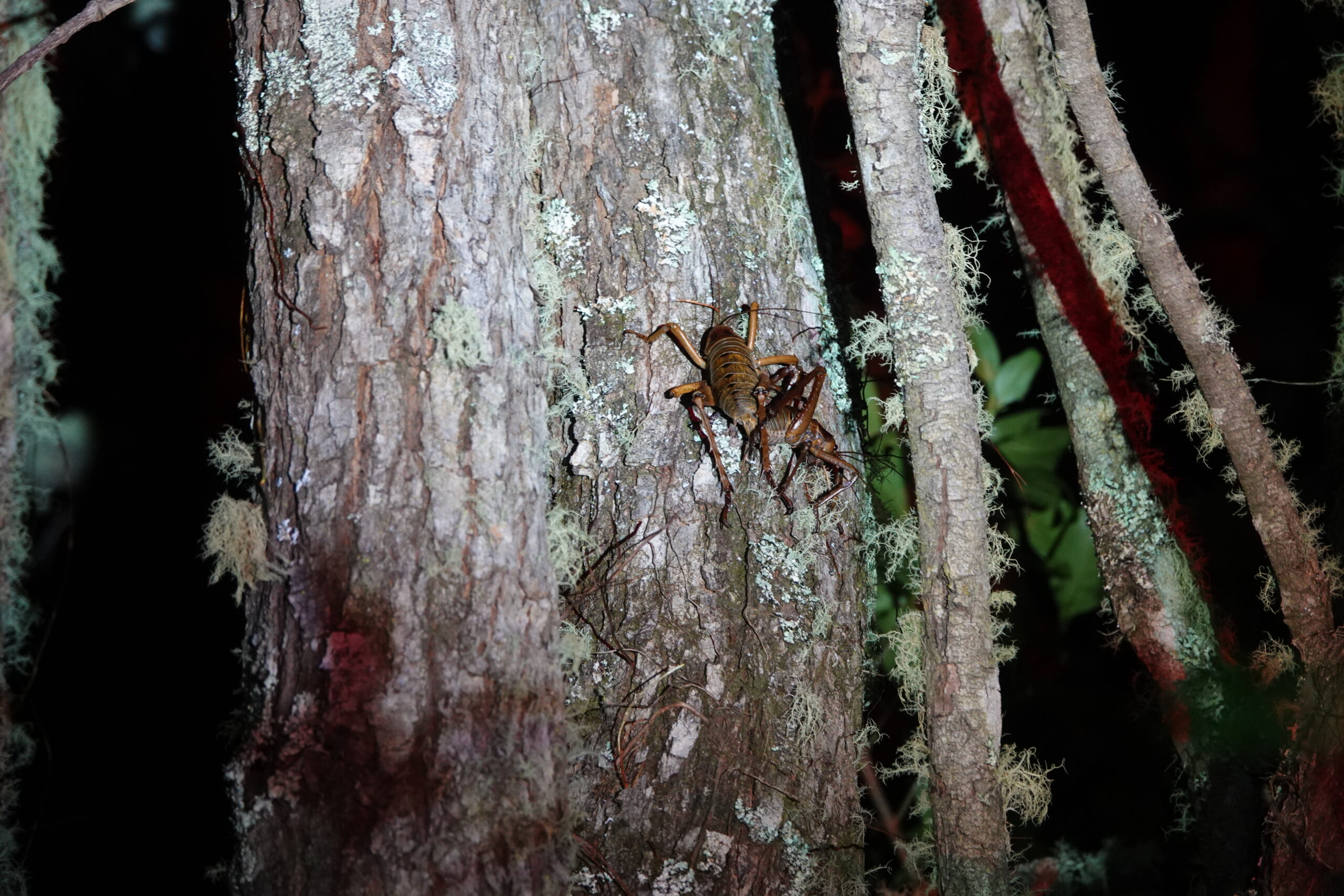
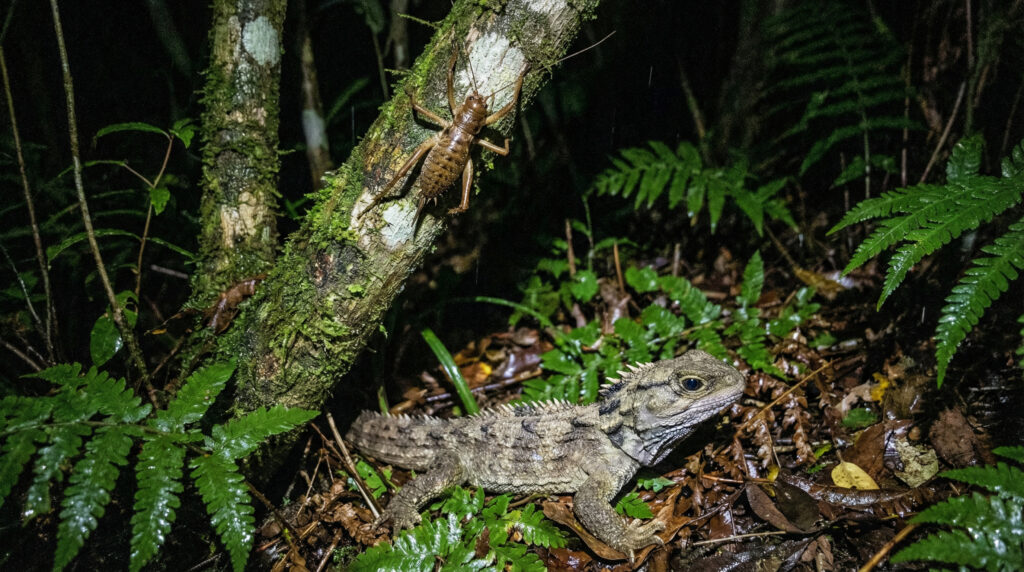
Dusk is the key moment.
Little blue penguins spend daylight hours at sea hunting small fish and squid. As evening approaches, they return to land under low light to reduce risk and disturbance.
From a visitor perspective, the best conditions include:
Seasonally, kororā may be present year-round, but nesting activity and visibility can vary depending on breeding cycles, weather patterns, and local conditions. A guided experience dramatically improves both timing and etiquette.
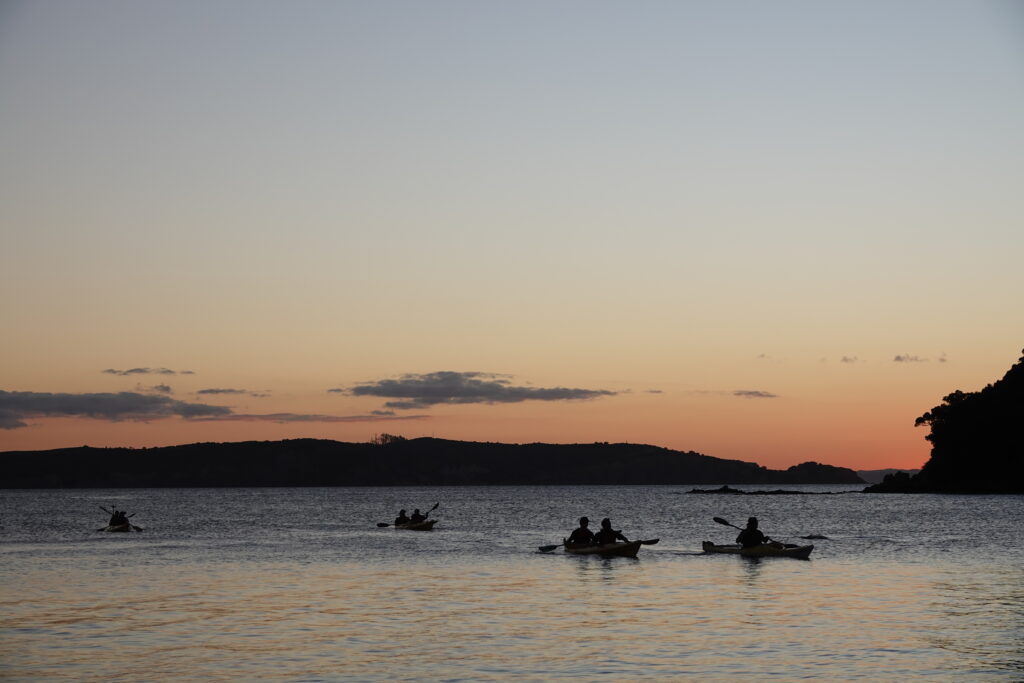

Rather than arriving by ferry during peak hours, guests paddle to the island by sea kayak, arriving in the soft pre-sunset light. This approach slows the experience, reduces noise, and creates a genuine sense of transition from city to sanctuary.
The evening typically includes:
Penguin encounters are never guaranteed — they are wild animals — but this format offers one of the best possible chances to witness kororā naturally and ethically.
Little blue penguins are vulnerable to disturbance. Ethical viewing isn’t optional — it’s essential to their survival.
Best-practice principles include:
Our guides are trained to balance visitor experience with wildlife protection, ensuring penguins remain undisturbed and behaviour remains natural.
Little Blue Penguin Facts People Commonly Search For
Here are answers people actively look for:
These facts aren’t trivia — they’re what shape how, when, and where penguins should be experienced.
Yes. Kororā are native to New Zealand and are found along much of the country’s coastline and offshore islands.
The Hauraki Gulf is a key habitat area, and Tiritiri Matangi Island is one of the most accessible protected sanctuaries where kororā may be encountered, particularly at dusk.
They typically return from sea around dusk and after dark, depending on light levels and conditions.
They are considered at risk due to factors such as predation, habitat loss, and human disturbance, making protected sanctuaries increasingly important.
Kororā are known to use areas of Tiritiri Matangi, and dusk-timed visits align best with their natural return from sea.
Warm layers, a windproof jacket, and closed-toe footwear are recommended. Lighting use is guided to minimise disturbance.
Seeing a penguin for a few seconds can be nice. Experiencing kororā returning home at dusk — after a sunset paddle, in a predator-free sanctuary, guided by people who understand their behaviour — is something entirely different.
If your search began with “little blue penguins in New Zealand” and you’re visiting Auckland, the most rewarding next step is clear:
Choose Tiritiri Matangi. Choose dusk. Choose a guided experience designed around wildlife, not crowds.