Most travellers experience destinations during the day.
But a growing movement in global travel suggests the most remarkable moments often happen after sunset.
This movement is known as noctourism — travel experiences designed around the night environment, from wildlife encounters and astronomy to moonlit landscapes and twilight ecosystems.
In Auckland, the night reveals a completely different side of nature. Forests become alive with hidden wildlife. Glowworms illuminate riverbanks. The southern sky opens above coastal headlands.
At Social Nature Movement (SNM), our experiences embrace this quieter, more atmospheric side of New Zealand — where the transition between sunset and darkness becomes part of the journey.
One of the most visually striking noctourism experiences in Auckland is paddling through bioluminescent water.
Tiny marine organisms produce light when disturbed, creating glowing trails in the water often described as “sea sparkle” or a natural light show beneath the kayak.
During the Auckland Bioluminescence Kayak Tour, small groups paddle through calm coastal waters just after sunset, when darkness allows the glowing organisms to become visible.
Highlights include:
guided night kayaking in sheltered coastal waters
glowing bioluminescent plankton illuminating each paddle stroke
minimal light pollution locations selected for visibility
interpretation of marine ecology and natural phenomena
Every movement in the water can trigger bursts of blue light, transforming an ordinary paddle into an other-worldly night experience.
Bioluminescent kayaking is widely recognised as one of the most unique forms of noctourism globally.
https://socialnaturemovement.nz/auckland-bioluminescence-kayak-tour/
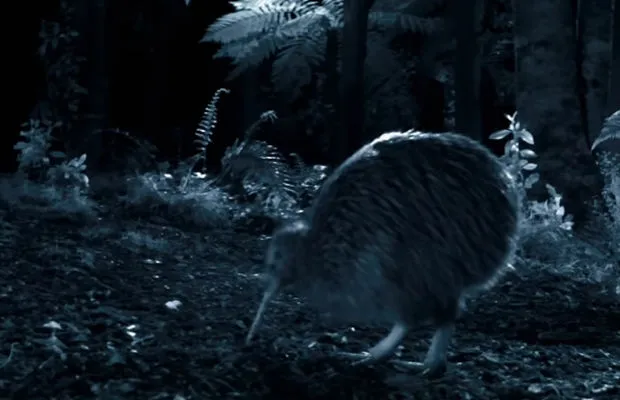
New Zealand’s most famous bird is also one of its most elusive.
The kiwi is nocturnal, meaning it emerges after dark to forage through forest floors.
The stargazing and kiwi experience combines wildlife tracking with astronomy interpretation, creating a deeper understanding of New Zealand’s night ecosystems.
The Wild Kiwi Spotting & Stargazing Tour takes place in protected habitats where predator control has allowed wildlife populations to recover.
During the experience guests may encounter:
wild kiwi foraging
ruru (morepork owl) calls through the forest
native insects and reptiles
southern hemisphere constellations
Dark skies also allow visitors to see the Milky Way and seasonal constellations when conditions are clear.
Experiences like this demonstrate one of the core benefits of noctourism: observing wildlife behaviours that are rarely visible during daylight hours.
Learn more about the experience:
https://socialnaturemovement.nz/stargazing-wild-kiwi-tours/
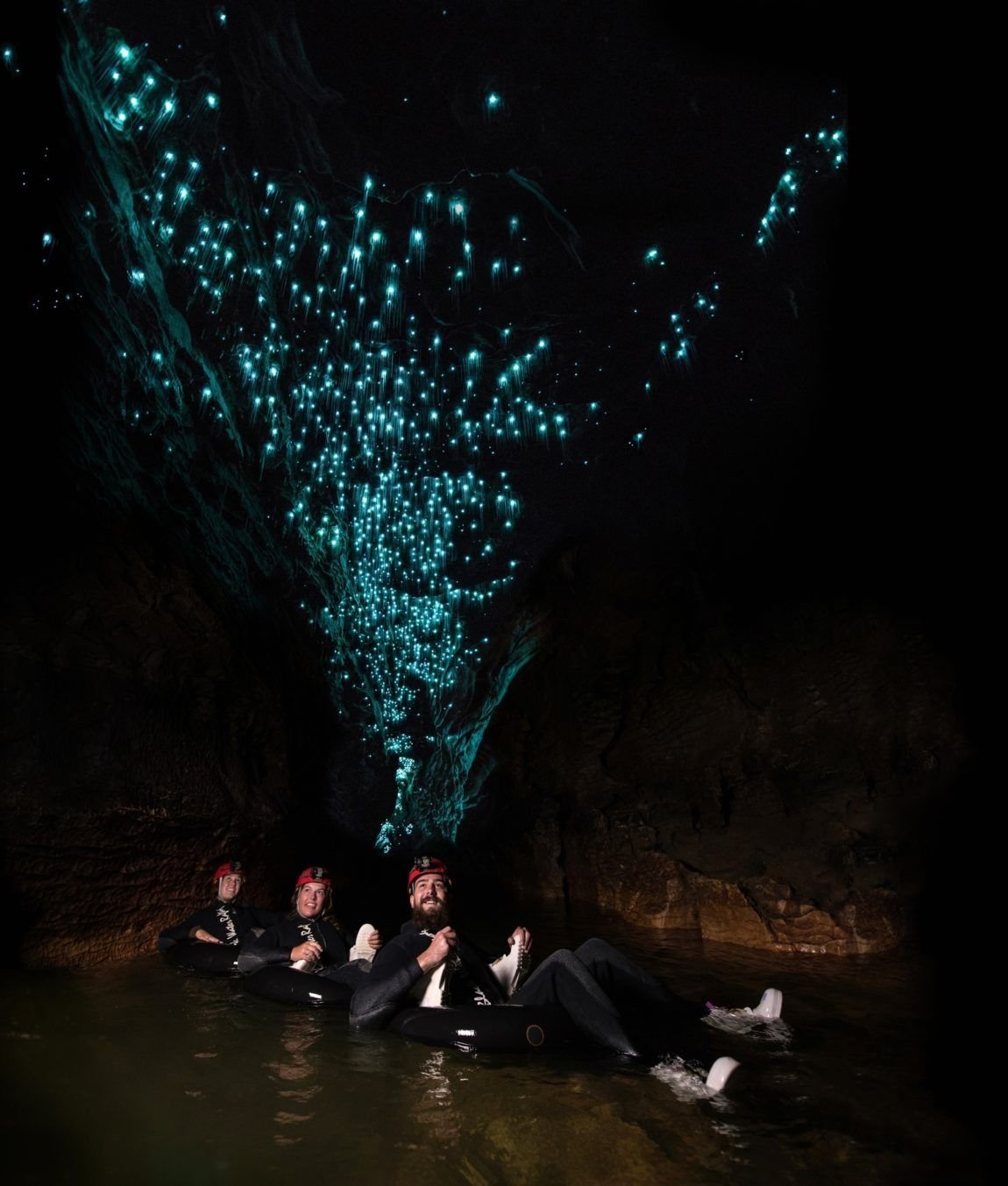
Glowworms are among New Zealand’s most iconic nocturnal species.
These small larvae emit a blue-green light to attract insects, creating the appearance of a living star field along riverbanks and forest walls.
Glowworm habitats come alive during the transition from crepuscular twilight into darkness, making this one of the most atmospheric noctourism experiences.
The Auckland Glowworm Tour explores ancient volcanic landscapes and hidden forest ecosystems where glowworms thrive.
Key elements include:
guided twilight forest walks
glowworms in their natural habitat
interpretation of volcanic geology and ecology
quiet, low-impact observation
Because glowworms require natural darkness and healthy ecosystems, responsible guiding practices are essential.
Explore the experience:
https://socialnaturemovement.nz/auckland-glowworm-tour/
Auckland offers an unusual advantage: visitors can experience three major forms of noctourism within the same region.
| Experience | Type of noctourism |
|---|---|
| Bioluminescence kayak tour | Marine noctourism |
| Wild kiwi spotting & stargazing | Wildlife and astronomy noctourism |
| Glowworm forest tours | Crepuscular and nocturnal ecology |
This diversity is one reason noctourism has become a rapidly growing travel trend worldwide, with increasing demand for experiences centred around night environments and dark skies.
Noctourism combines the words nocturnal and tourism and refers to travel experiences that take place primarily after sunset.
Instead of daytime sightseeing, noctourism focuses on:
wildlife active after dark
astronomy and dark skies
night-time landscapes
quieter, cooler environments
immersive sensory experiences
Interest in noctourism has grown rapidly worldwide. Surveys show many travellers now actively seek nighttime experiences such as stargazing, wildlife safaris, and astronomy-focused travel.
For destinations like New Zealand, where many native species are nocturnal, the night provides access to experiences that simply do not exist during the day.
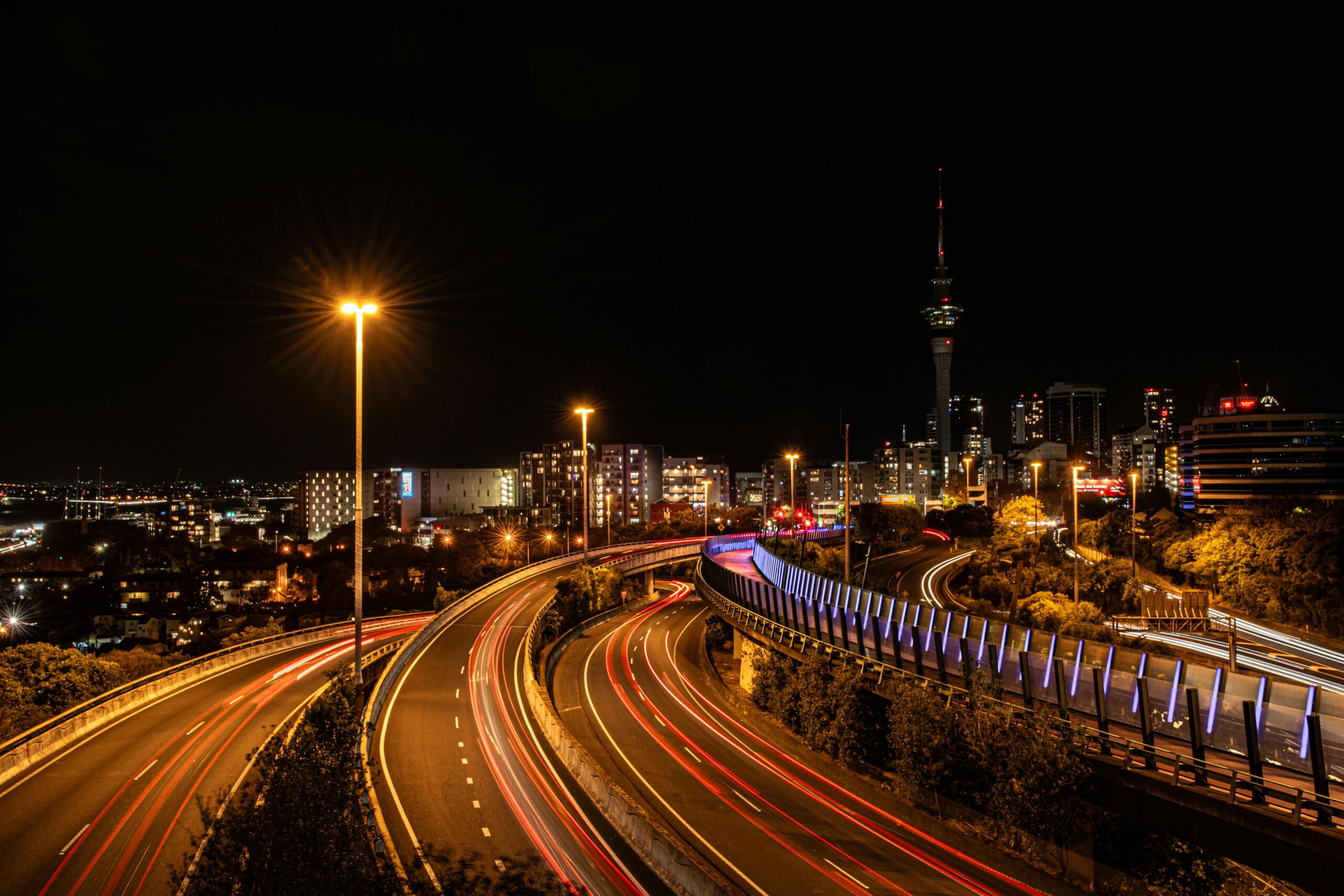
Auckland is one of the rare cities where genuine wilderness experiences exist within easy reach of the urban centre.
Within an hour of the CBD you can find:
predator-controlled wildlife sanctuaries
remote beaches with minimal light pollution
ancient volcanic landscapes
native forests rich with endemic species
Many of New Zealand’s most iconic animals are nocturnal.
These include:
kiwi
ruru (morepork owl)
giant wētā
glowworms
pekapeka (native bats)
Because these species are active at night, twilight and darkness are the best times to observe them.
New Zealand’s ecosystems were historically free of land mammals, meaning birds evolved unique behaviours that are often secretive and night-active. As a result, noctourism here often centres around rare wildlife encounters and conservation-focused guiding.
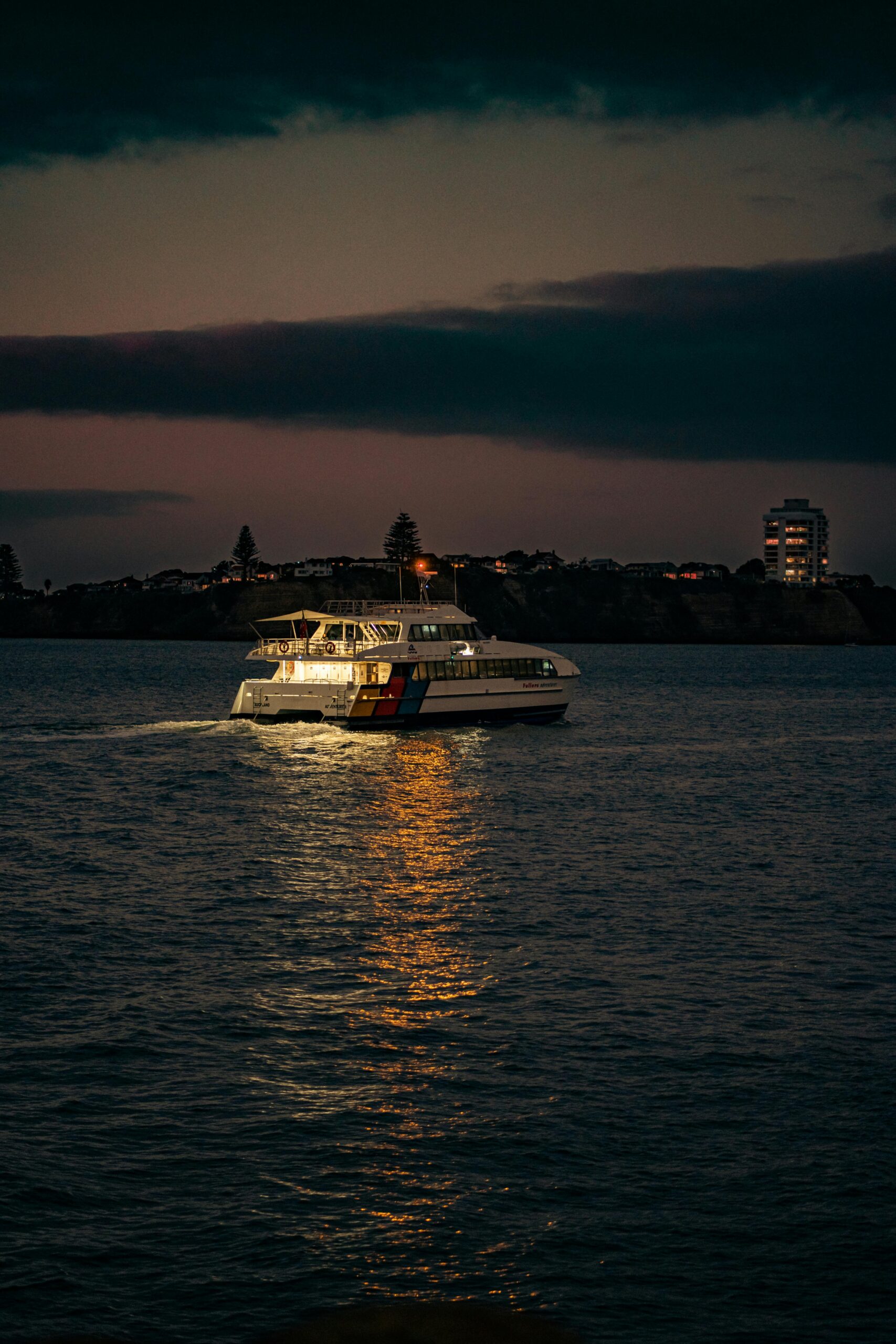
A key concept within noctourism is the term crepuscular.
Crepuscular animals are those most active during twilight — the period around sunrise and sunset.
This short window of changing light creates one of the most dynamic ecological moments in nature.
During this time:
birds shift between day and night behaviour
insects begin to emerge
predators start hunting
forest sounds intensify
For travellers, twilight is often the most atmospheric moment of the day.
The sky glows with fading colour, silhouettes sharpen against the horizon, and wildlife movement begins to increase.
Many of the most memorable noctourism experiences actually begin during this crepuscular transition before full darkness.
Noctourism is not one single activity. It includes a wide range of experiences connected by one simple factor: they happen after sunset.
Observing animals active at night is one of the most powerful forms of noctourism.
Guided night walks may reveal:
kiwi foraging in coastal forests
ruru calling through the trees
insects and reptiles rarely seen by day
Because these species are elusive, experienced guides and ethical observation practices are essential.
Glowworms are one of New Zealand’s most iconic nocturnal phenomena.
Thousands of tiny larvae produce a blue-green light used to attract prey, creating the appearance of a living constellation across cave ceilings and forest banks.
Unlike artificial attractions, glowworms require:
natural darkness
healthy ecosystems
careful visitor management
This makes them a perfect example of sustainable noctourism.
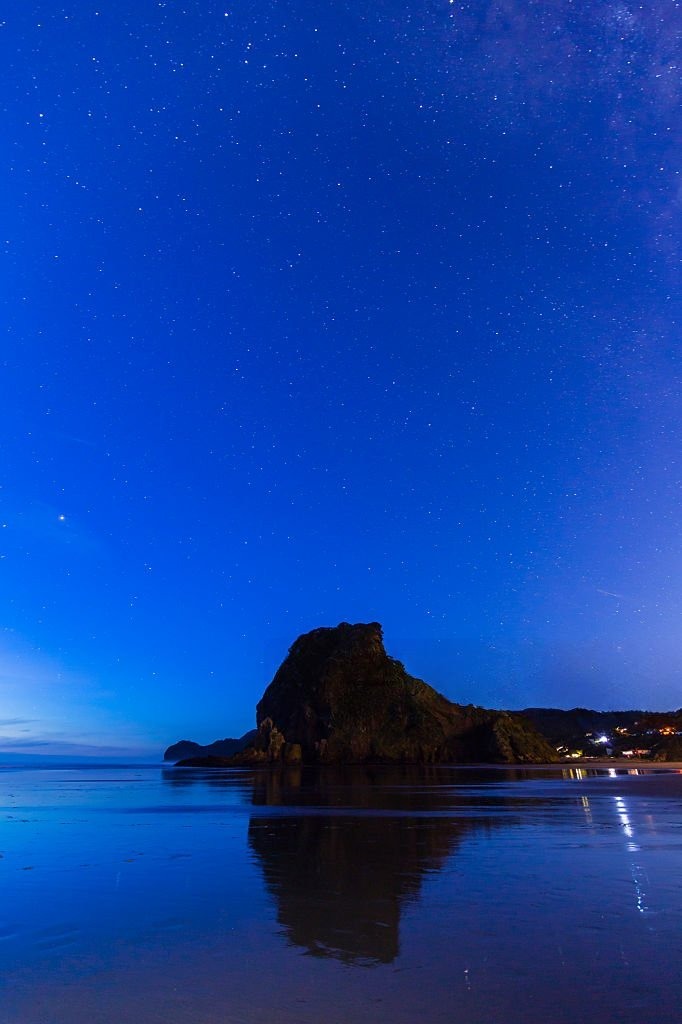
New Zealand is one of the best places in the world to observe the southern sky.
Away from city lights, visitors can see:
the Milky Way
southern constellations
meteor showers
planetary alignments
Dark sky areas are increasingly protected because natural night environments are considered important ecological and cultural resources.
Stargazing also connects visitors with Māori astronomy traditions, which historically guided navigation, seasonal harvesting and storytelling.
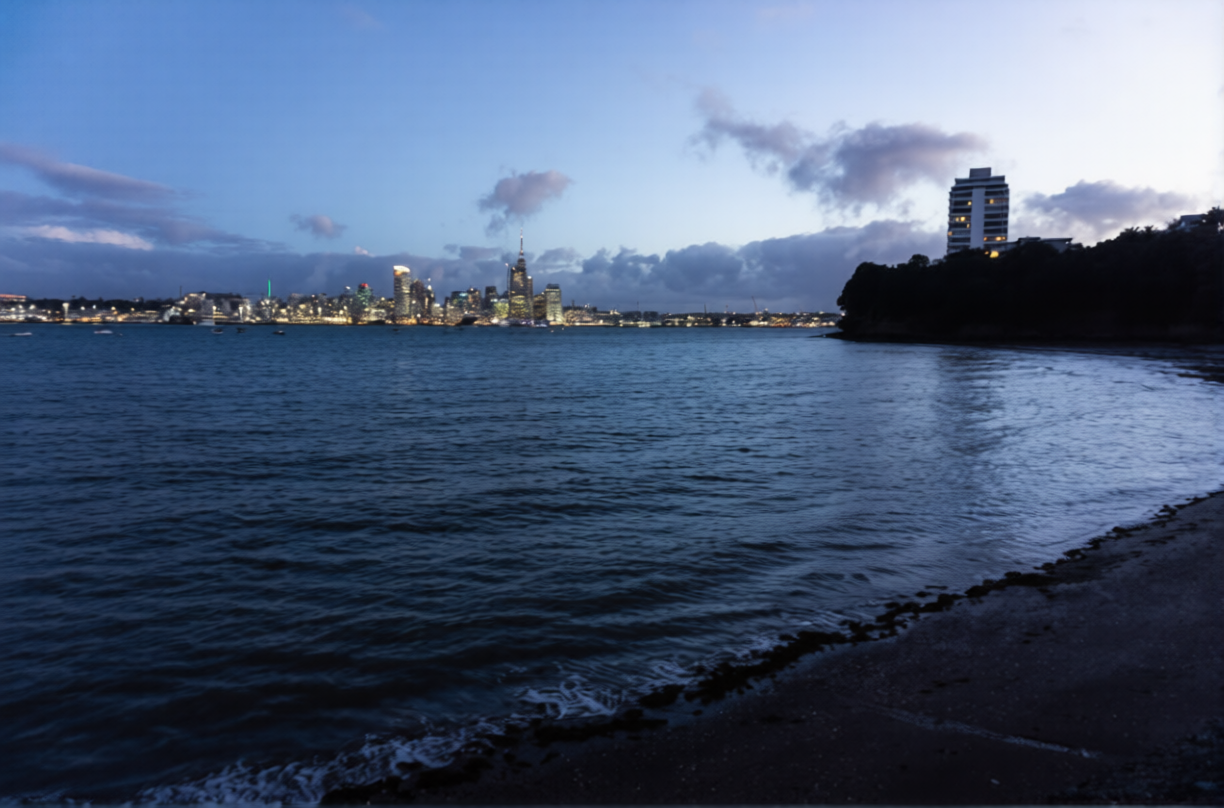
Auckland’s geography creates exceptional twilight landscapes.
Volcanic headlands, island-rich seas and long coastal horizons make sunset and dusk particularly dramatic.
During twilight walks, visitors often experience:
seabirds returning to roost
calm seas and reflective skies
dramatic colour transitions across the Hauraki Gulf
These moments provide a slower, more reflective type of tourism experience.
Noctourism experiences can operate year-round, but conditions influence what visitors might see.
Spring and summer
warmer evenings
active insects and wildlife
longer twilight
Autumn
clear skies ideal for astronomy
Winter
early sunsets
darker skies
strong wildlife activity
Weather conditions such as wind, rain and cloud cover can affect visibility for both wildlife and stargazing, so responsible operators always adapt experiences accordingly.
Nature-based noctourism depends on protecting the night environment.
Research shows that preserving natural darkness is critical for wildlife behaviour and visitor experiences.
Responsible operators therefore follow principles such as:
small group sizes
minimal lighting
red-light torches where appropriate
quiet movement through habitats
strict wildlife-disturbance protocols
At SNM, these principles guide how our experiences are designed.
Our focus is not simply on seeing wildlife — but understanding ecosystems and respecting the landscapes that support them.
Social Nature Movement specialises in nature-based experiences that reveal Auckland’s environment after dark.
Our experiences combine:
expert guiding
conservation knowledge
small group formats
access to remarkable natural areas
From twilight forests to starlit coastlines, Auckland offers some of the most accessible noctourism experiences in New Zealand.
The night reveals a different rhythm of nature.
Sometimes quieter.
Sometimes wilder.
Always memorable.
Noctourism refers to tourism experiences that take place primarily at night, such as wildlife observation, stargazing, glowworm tours, and evening nature walks.
Crepuscular describes animals that are most active at dawn and dusk, during the twilight periods between day and night.
Travellers increasingly seek quieter, cooler, and more immersive experiences. Nighttime tourism also reveals wildlife and natural phenomena that cannot be seen during the day.
Possible sightings include kiwi, morepork owls, glowworms, insects, and occasionally native bats depending on location and season.
Yes, when conducted with experienced guides and proper planning. Guided experiences minimise risk and protect wildlife habitats.
Spring through autumn offers the most wildlife activity, while winter can provide excellent dark skies for astronomy.
Most guided tours provide essential equipment such as red-light torches. Visitors typically just need sturdy footwear and weather-appropriate clothing.
Many experiences are suitable for families with older children, depending on terrain, timing, and activity level.
The rise of nocturnal tourism worldwide
Why travellers are seeking twilight experiences
Coastal darkness and protected habitats
Crepuscular and nocturnal wildlife
Wildlife active at twilight
The magic window between day and night
Wildlife observation
Glowworms and bioluminescence
Stargazing and dark sky experiences
Twilight coastal walks
Responsible noctourism and conservation
Experience noctourism with Social Nature Movement
Most travellers experience destinations during the day.
But a growing movement in global travel suggests the most remarkable moments often happen after sunset.
This movement is known as noctourism — travel experiences designed around the night environment, from wildlife encounters and astronomy to moonlit landscapes and twilight ecosystems.
In Auckland, the night reveals a completely different side of nature. Forests become alive with hidden wildlife. Glowworms illuminate riverbanks. The southern sky opens above coastal headlands.
At Social Nature Movement (SNM), our experiences embrace this quieter, more atmospheric side of New Zealand — where the transition between sunset and darkness becomes part of the journey.
One of the most visually striking noctourism experiences in Auckland is paddling through bioluminescent water.
Tiny marine organisms produce light when disturbed, creating glowing trails in the water often described as “sea sparkle” or a natural light show beneath the kayak.
During the Auckland Bioluminescence Kayak Tour, small groups paddle through calm coastal waters just after sunset, when darkness allows the glowing organisms to become visible.
Highlights include:
guided night kayaking in sheltered coastal waters
glowing bioluminescent plankton illuminating each paddle stroke
minimal light pollution locations selected for visibility
interpretation of marine ecology and natural phenomena
Every movement in the water can trigger bursts of blue light, transforming an ordinary paddle into an other-worldly night experience.
Bioluminescent kayaking is widely recognised as one of the most unique forms of noctourism globally.
New Zealand’s most famous bird is also one of its most elusive.
The kiwi is nocturnal, meaning it emerges after dark to forage through forest floors.
The stargazing and kiwi experience combines wildlife tracking with astronomy interpretation, creating a deeper understanding of New Zealand’s night ecosystems.
The Wild Kiwi Spotting & Stargazing Tour takes place in protected habitats where predator control has allowed wildlife populations to recover.
During the experience guests may encounter:
wild kiwi foraging
ruru (morepork owl) calls through the forest
native insects and reptiles
southern hemisphere constellations
Dark skies also allow visitors to see the Milky Way and seasonal constellations when conditions are clear.
Experiences like this demonstrate one of the core benefits of noctourism: observing wildlife behaviours that are rarely visible during daylight hours.
Glowworms are among New Zealand’s most iconic nocturnal species.
These small larvae emit a blue-green light to attract insects, creating the appearance of a living star field along riverbanks and forest walls.
Glowworm habitats come alive during the transition from crepuscular twilight into darkness, making this one of the most atmospheric noctourism experiences.
The Auckland Glowworm Tour explores ancient volcanic landscapes and hidden forest ecosystems where glowworms thrive.
Key elements include:
guided twilight forest walks
glowworms in their natural habitat
interpretation of volcanic geology and ecology
quiet, low-impact observation
Because glowworms require natural darkness and healthy ecosystems, responsible guiding practices are essential.
Auckland offers an unusual advantage: visitors can experience three major forms of noctourism within the same region.
This diversity is one reason noctourism has become a rapidly growing travel trend worldwide, with increasing demand for experiences centred around night environments and dark skies.
Noctourism combines the words nocturnal and tourism and refers to travel experiences that take place primarily after sunset.
Instead of daytime sightseeing, noctourism focuses on:
wildlife active after dark
astronomy and dark skies
night-time landscapes
quieter, cooler environments
immersive sensory experiences
Interest in noctourism has grown rapidly worldwide. Surveys show many travellers now actively seek nighttime experiences such as stargazing, wildlife safaris, and astronomy-focused travel.
For destinations like New Zealand, where many native species are nocturnal, the night provides access to experiences that simply do not exist during the day.
Auckland is one of the rare cities where genuine wilderness experiences exist within easy reach of the urban centre.
Within an hour of the CBD you can find:
predator-controlled wildlife sanctuaries
remote beaches with minimal light pollution
ancient volcanic landscapes
native forests rich with endemic species
Many of New Zealand’s most iconic animals are nocturnal.
These include:
kiwi
ruru (morepork owl)
giant wētā
glowworms
pekapeka (native bats)
Because these species are active at night, twilight and darkness are the best times to observe them.
New Zealand’s ecosystems were historically free of land mammals, meaning birds evolved unique behaviours that are often secretive and night-active. As a result, noctourism here often centres around rare wildlife encounters and conservation-focused guiding.
A key concept within noctourism is the term crepuscular.
Crepuscular animals are those most active during twilight — the period around sunrise and sunset.
This short window of changing light creates one of the most dynamic ecological moments in nature.
During this time:
birds shift between day and night behaviour
insects begin to emerge
predators start hunting
forest sounds intensify
For travellers, twilight is often the most atmospheric moment of the day.
The sky glows with fading colour, silhouettes sharpen against the horizon, and wildlife movement begins to increase.
Many of the most memorable noctourism experiences actually begin during this crepuscular transition before full darkness.
Noctourism is not one single activity. It includes a wide range of experiences connected by one simple factor: they happen after sunset.
Observing animals active at night is one of the most powerful forms of noctourism.
Guided night walks may reveal:
kiwi foraging in coastal forests
ruru calling through the trees
insects and reptiles rarely seen by day
Because these species are elusive, experienced guides and ethical observation practices are essential.
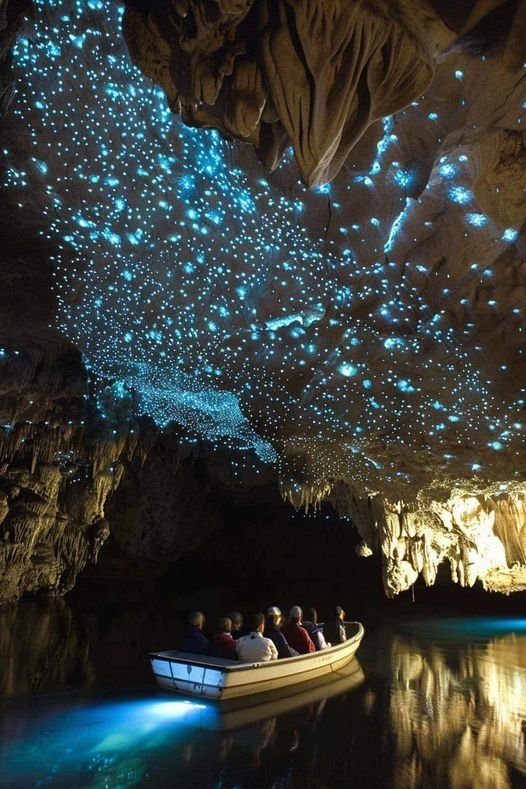
Glowworms are one of New Zealand’s most iconic nocturnal phenomena.
Thousands of tiny larvae produce a blue-green light used to attract prey, creating the appearance of a living constellation across cave ceilings and forest banks.
Unlike artificial attractions, glowworms require:
natural darkness
healthy ecosystems
careful visitor management
This makes them a perfect example of sustainable noctourism.
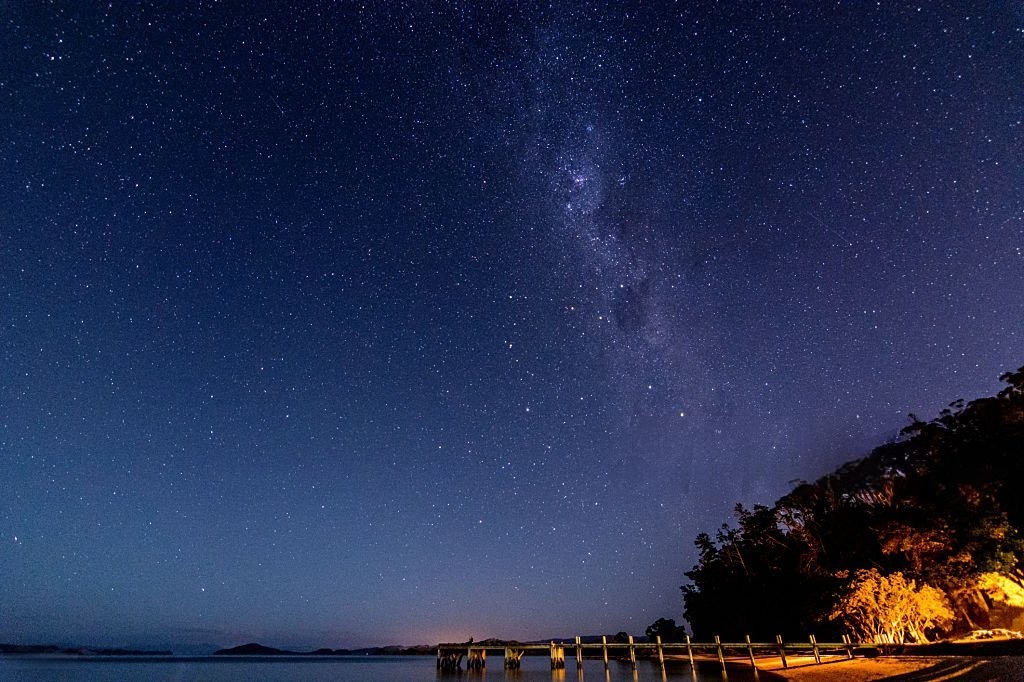
New Zealand is one of the best places in the world to observe the southern sky.
Away from city lights, visitors can see:
the Milky Way
southern constellations
meteor showers
planetary alignments
Dark sky areas are increasingly protected because natural night environments are considered important ecological and cultural resources.
Stargazing also connects visitors with Māori astronomy traditions, which historically guided navigation, seasonal harvesting and storytelling.
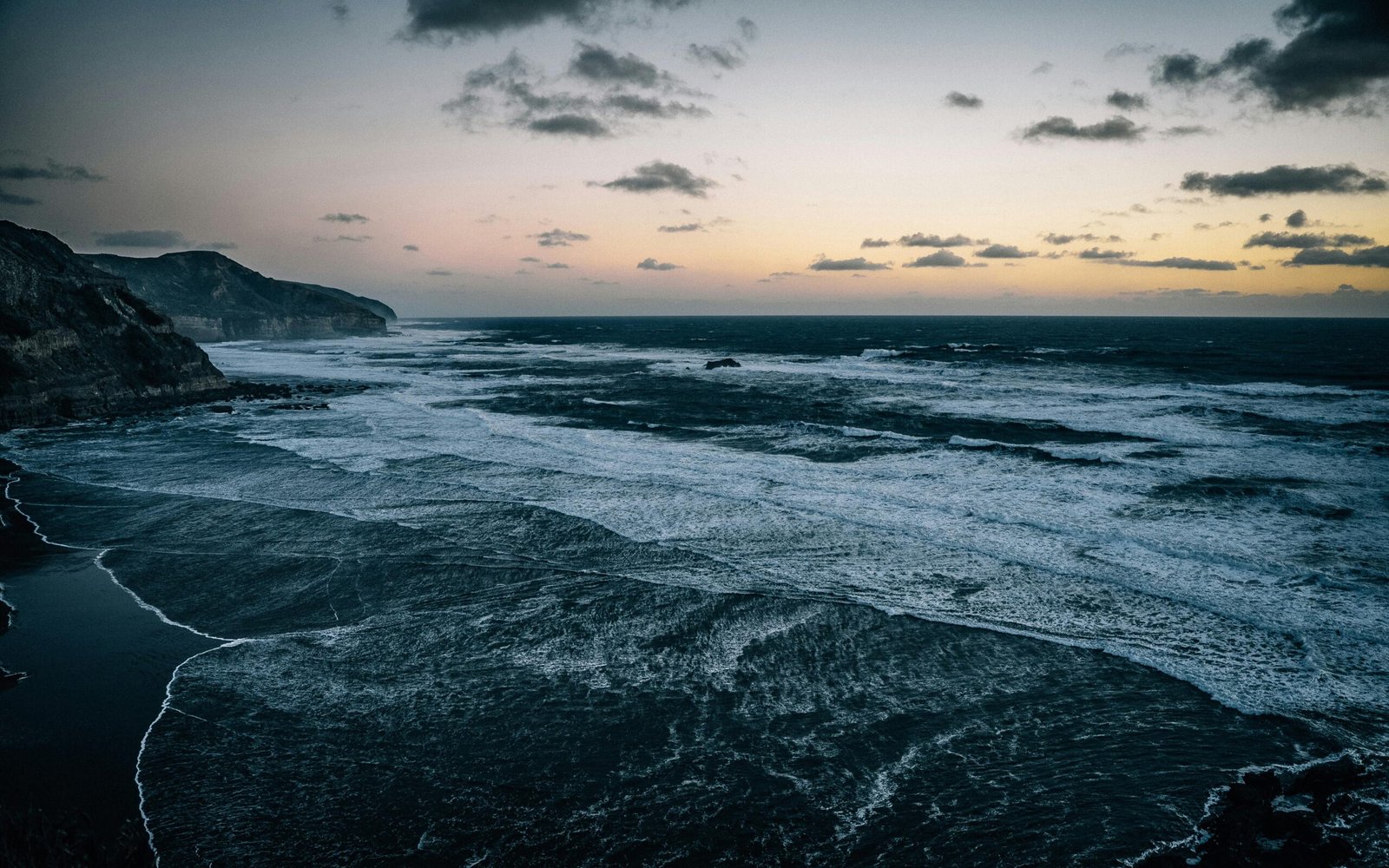
Auckland’s geography creates exceptional twilight landscapes.
Volcanic headlands, island-rich seas and long coastal horizons make sunset and dusk particularly dramatic.
During twilight walks, visitors often experience:
seabirds returning to roost
calm seas and reflective skies
dramatic colour transitions across the Hauraki Gulf
These moments provide a slower, more reflective type of tourism experience.
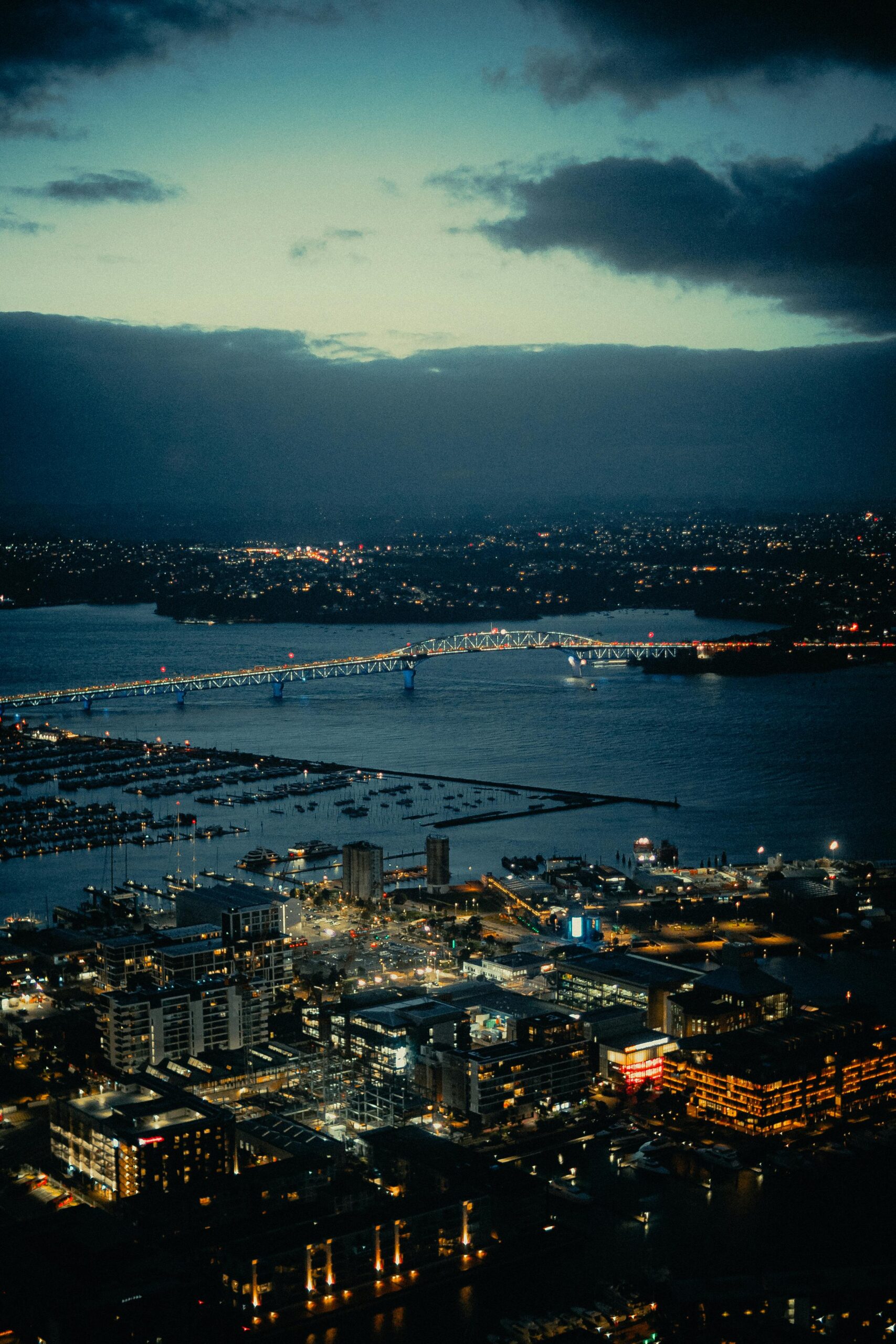
Noctourism experiences can operate year-round, but conditions influence what visitors might see.
Spring and summer
warmer evenings
active insects and wildlife
longer twilight
Autumn
clear skies ideal for astronomy
Winter
early sunsets
darker skies
strong wildlife activity
Weather conditions such as wind, rain and cloud cover can affect visibility for both wildlife and stargazing, so responsible operators always adapt experiences accordingly.
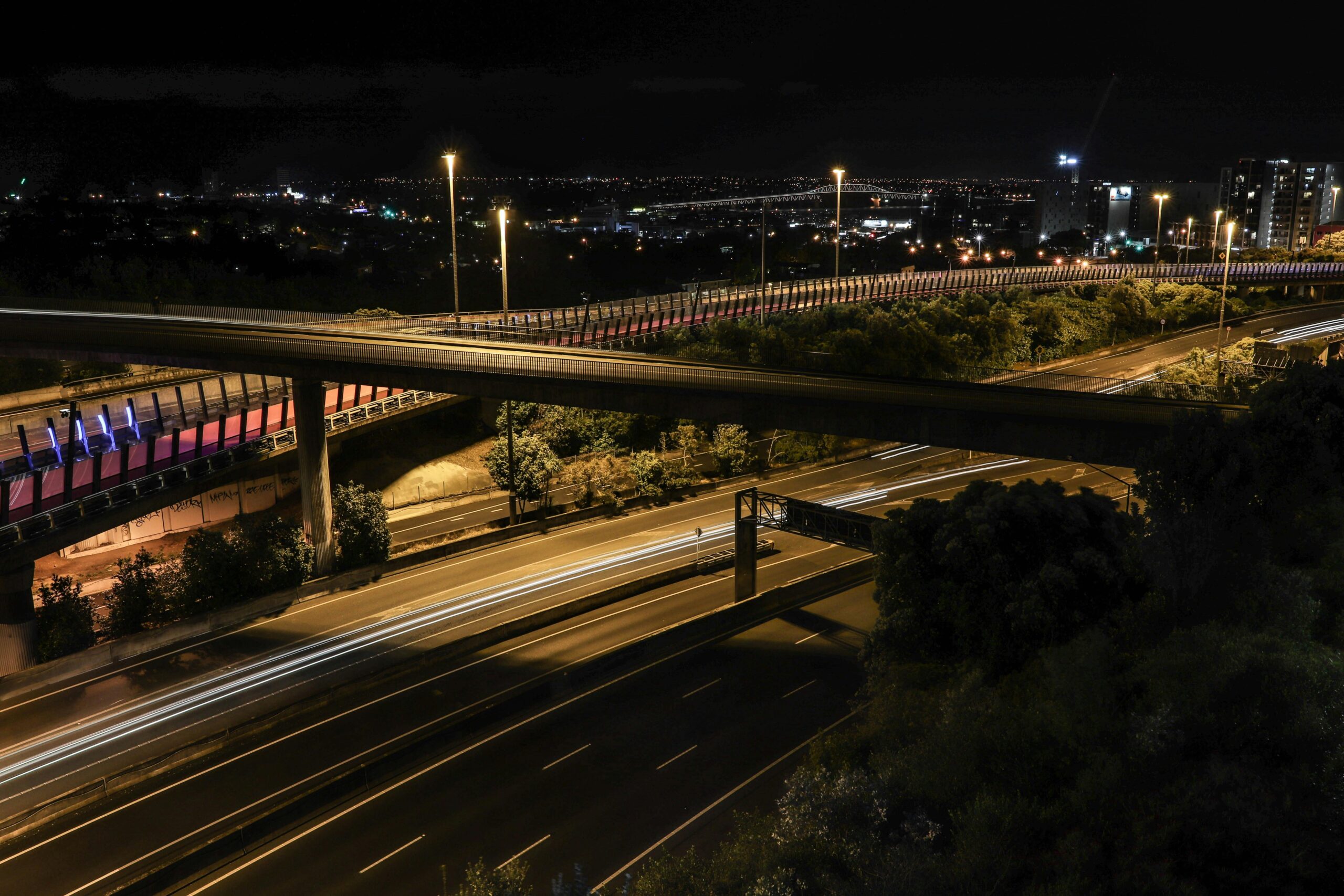
Nature-based noctourism depends on protecting the night environment.
Research shows that preserving natural darkness is critical for wildlife behaviour and visitor experiences.
Responsible operators therefore follow principles such as:
small group sizes
minimal lighting
red-light torches where appropriate
quiet movement through habitats
strict wildlife-disturbance protocols
At SNM, these principles guide how our experiences are designed.
Our focus is not simply on seeing wildlife — but understanding ecosystems and respecting the landscapes that support them.
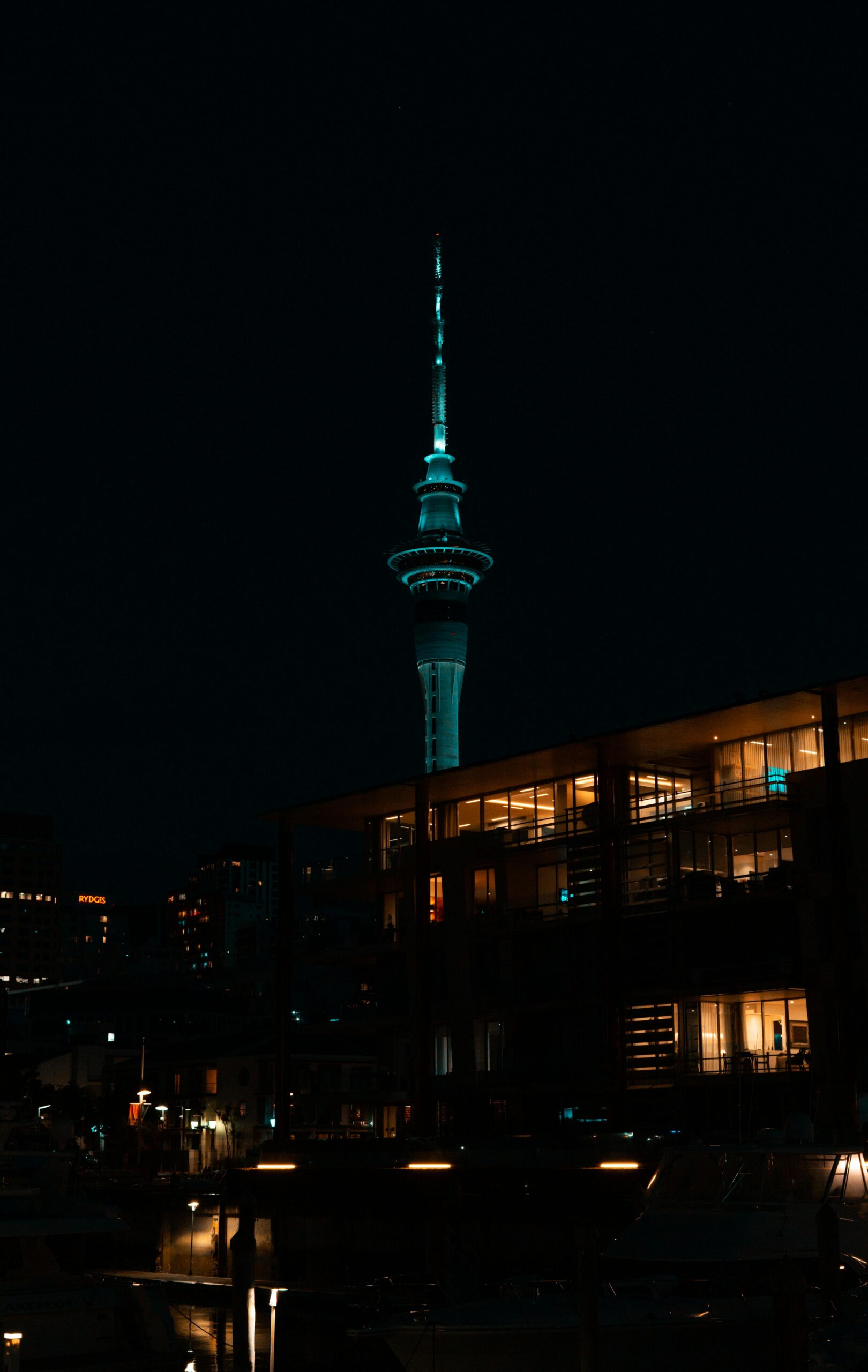
Social Nature Movement specialises in nature-based experiences that reveal Auckland’s environment after dark.
Our experiences combine:
expert guiding
conservation knowledge
small group formats
access to remarkable natural areas
From twilight forests to starlit coastlines, Auckland offers some of the most accessible noctourism experiences in New Zealand.
The night reveals a different rhythm of nature.
Sometimes quieter.
Sometimes wilder.
Always memorable.
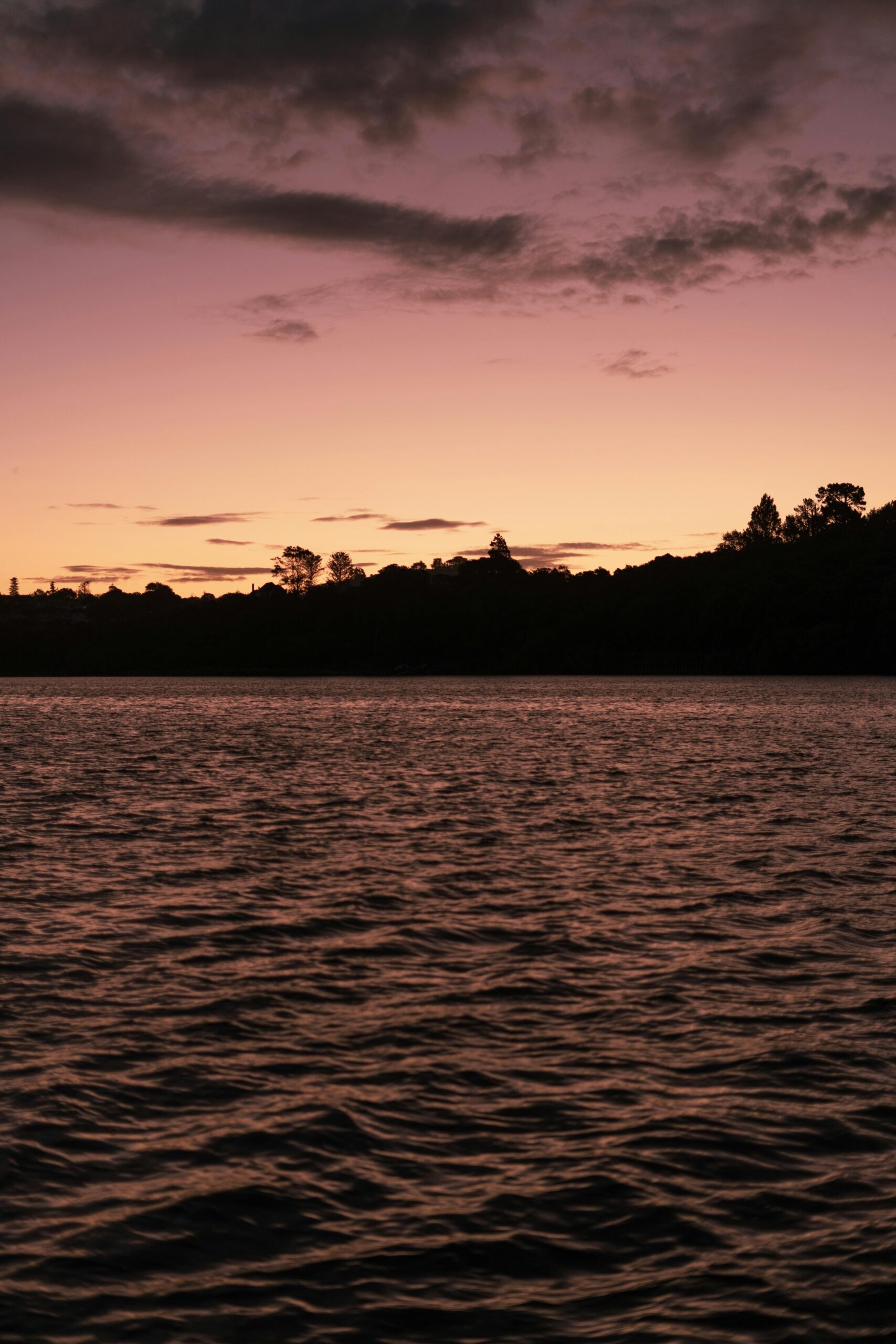
Noctourism refers to tourism experiences that take place primarily at night, such as wildlife observation, stargazing, glowworm tours, and evening nature walks.
Crepuscular describes animals that are most active at dawn and dusk, during the twilight periods between day and night.
Travellers increasingly seek quieter, cooler, and more immersive experiences. Nighttime tourism also reveals wildlife and natural phenomena that cannot be seen during the day.
Possible sightings include kiwi, morepork owls, glowworms, insects, and occasionally native bats depending on location and season.
Yes, when conducted with experienced guides and proper planning. Guided experiences minimise risk and protect wildlife habitats.
Spring through autumn offers the most wildlife activity, while winter can provide excellent dark skies for astronomy.
Most guided tours provide essential equipment such as red-light torches. Visitors typically just need sturdy footwear and weather-appropriate clothing.
Many experiences are suitable for families with older children, depending on terrain, timing, and activity level.