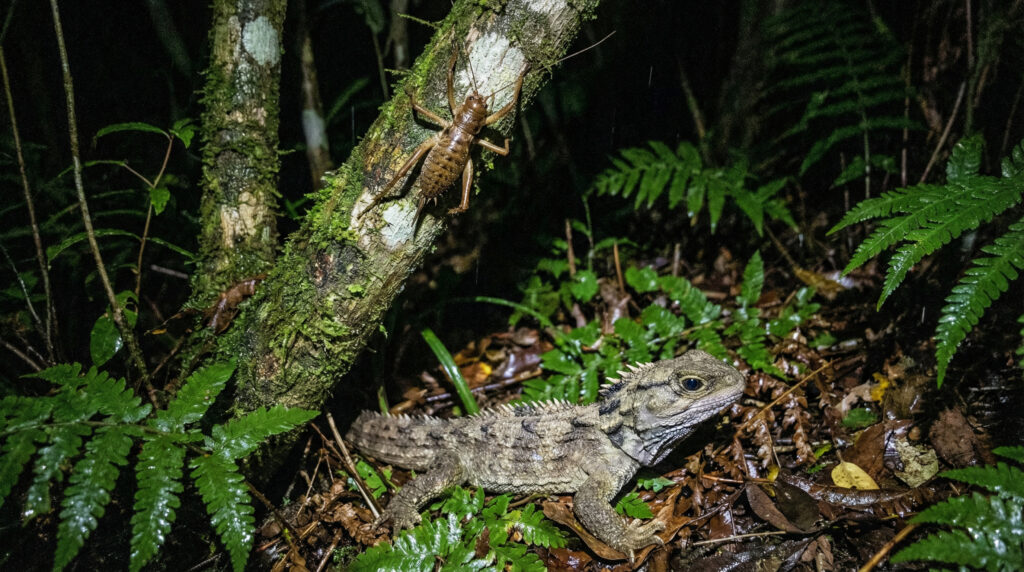
Tuatara in New Zealand — Discover Ancient Reptiles on Tiritiri Matangi
Everything you need to know about Tuatara, their ecology, conservation, and how you can encounter them on our guided Tiritiri Matangi Island tour.
Introduction: What Are Tuatara?
Tuatara (Sphenodon punctatus) are extraordinary reptiles endemic to New Zealand — meaning they exist nowhere else on Earth. Often described as “living fossils,” tuatara are the last surviving members of an ancient lineage that thrived alongside dinosaurs over 200 million years ago. Unlike lizards, tuatara belong to a distinct order (Rhynchocephalia), and their evolutionary heritage makes them a cornerstone of New Zealand’s natural history.
While their prehistoric appearance might conjure dinosaur imagery, tuatara are uniquely adapted to New Zealand’s temperate ecosystems. They feature a spiny crest along the back, green-brown mottled scales, and a specialized third “parietal” eye — a light-sensing organ beneath transparent scales on their head — a trait that fascinates scientists and visitors alike.
And the best place in the Auckland region to observe and learn about these remarkable reptiles? Tiritiri Matangi Island — one of the world’s most successful ecological restoration projects and home to thriving populations of tuatara.
Why Tuatara Are Unique — More Than Just Ancient Reptiles
Tuatara are often called “living fossils” because their physical form has changed very little over tens of millions of years. Their ancestors date back to the age of dinosaurs, yet tuatara coexist with modern wildlife in New Zealand’s forests today. Their evolutionary uniqueness gives them immense scientific value.
Tuatara differ from lizards and snakes in multiple anatomical ways:
Tuatara Habitat in New Zealand
Historically, tuatara inhabited mainland New Zealand from the North Island to Stewart Island. However, with the arrival of invasive mammals such as rats and stoats, they were driven from most of their historic range. Today, tuatara survive primarily on predator-free offshore islands, including Tiritiri Matangi Island.
Tiritiri Matangi Island — A Sanctuary for Tuatara
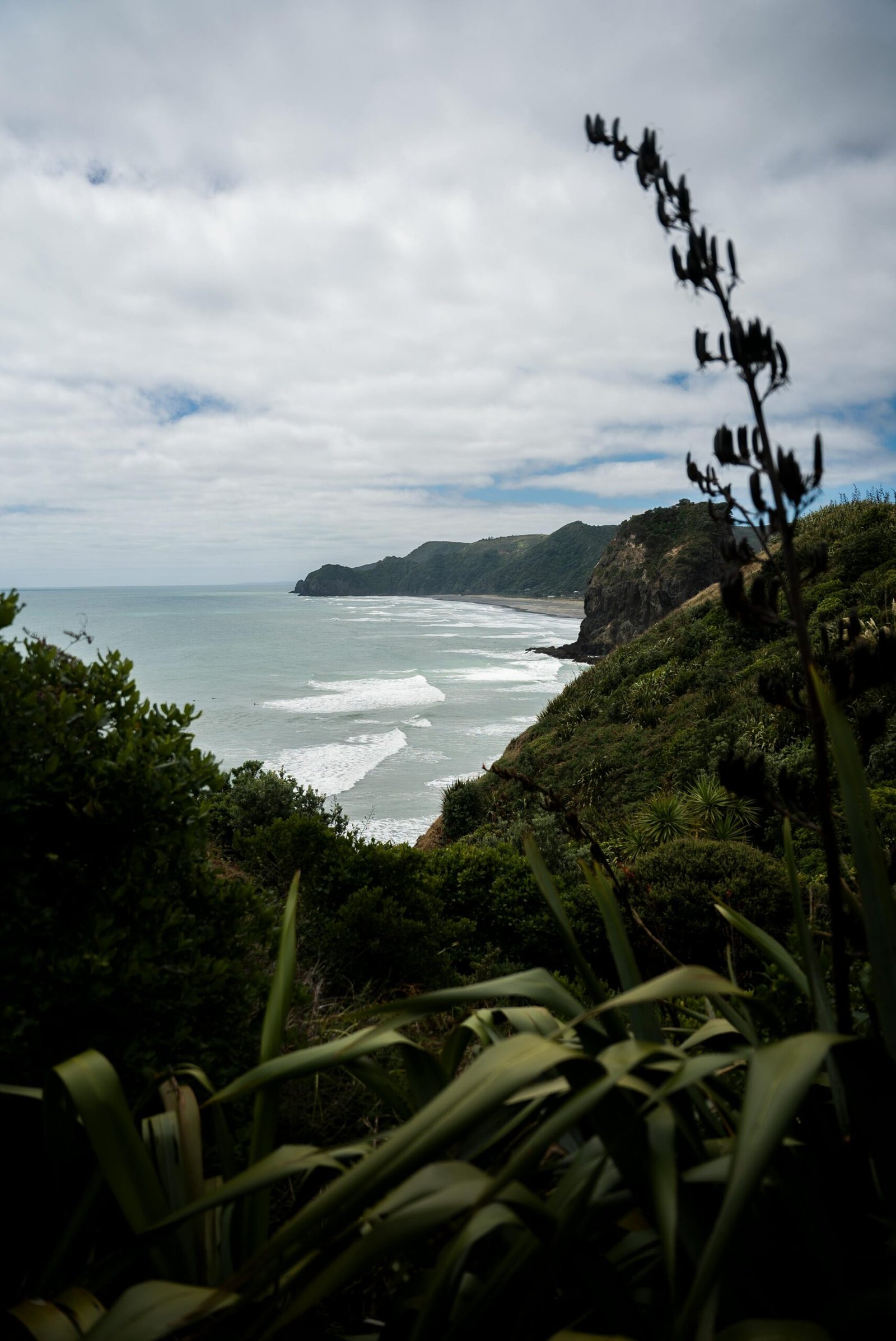
Located in the Hauraki Gulf Marine Park, just a short paddle or ferry trip from Auckland, Tiritiri Matangi Island is one of New Zealand’s most celebrated ecological restoration projects. Over the past 35+ years, volunteers, conservationists, and scientists have eradicated invasive predators and reintroduced nearly 120 native species — including tuatara — to this regenerating sanctuary.
Today, Tiritiri Matangi boasts thriving populations of:
The island’s tuatara are part of active conservation programs, including nesting monitoring, temperature studies, and relocation initiatives that support population resilience across predator-free islands.
See Tuatara in the Wild — Our Guided Tour Experience
One of the most powerful ways to connect with New Zealand’s unique wildlife — including tuatara — is through a professionally guided ecological tour to Tiritiri Matangi Island. Our Tiritiri Matangi Twilight Kayak & Wildlife Experience blends adventure, conservation, and interpretation for an unforgettable encounter with nature.
What Makes This Tour Special?
This isn’t just sightseeing — it’s immersive, interpretive, and educational, designed to deepen your understanding of New Zealand’s natural heritage.
What to Expect When Looking for Tuatara on the Tour
Though tuatara are typically shy and cryptic, your experienced guide knows the best spots where sightings are most likely. Tuatara usually bask in sunny patches during cooler months and retreat to burrows at night — but being part of a guided conservation-focused walk significantly increases your chances of a meaningful encounter.
During your forest exploration, you’ll learn:
Frequently Asked Questions (FAQ) — SEO + Structured Data Ready
Below are high-value People Also Ask style questions with concise answers optimized for FAQ schema markup.
What makes tuatara different from lizards?
Tuatara are not lizards; they belong to a distinct reptile order (Rhynchocephalia) that split from other reptiles over 200 million years ago. Unlike lizards, tuatara have unique dentition, a third eye, and a slower metabolism adapted to cooler environments.
Where can you see tuatara in New Zealand?
Tuatara are found primarily on predator-free offshore islands, with Tiritiri Matangi Island near Auckland being one of the most accessible locations for visitors to see them in the wild under guided supervision.
Can you see tuatara on tours?
Yes — guided conservation tours to Tiritiri Matangi Island, including sea kayak and day or night wildlife experiences, include interpretive walks where tuatara sightings are possible. These tours blend ecological education with opportunities to observe tuatara in their protected habitat.
Are tuatara endangered?
Tuatara are considered at risk due to historical habitat loss and predation by introduced mammals. Conservation efforts on islands like Tiritiri Matangi have stabilized and increased some populations, but continued protection and management are essential.
What time of year is best for seeing tuatara?
Tuatara are most visible in spring and summer months when they bask in sunny patches to regulate body temperature. Guides know seasonal behaviours and habitat preferences to maximize the chance of sightings.
Conservation and Cultural Significance
Tuatara hold deep ecological and cultural value in Aotearoa New Zealand. In te reo Māori, tuatara means “peaks on the back,” referring to their distinctive spiny crest. They feature in Māori lore as guardians of the land, often associated with ancestral knowledge and the natural world.
Modern conservation programs integrate Māori principles (kaitiakitanga) with scientific practice — protecting, monitoring, and sharing stewardship of this taonga (treasure) species.
Why This Matters — Educational, Experiential, and Emotional
Learning about tuatara isn’t just a biology lesson — it’s a window into Earth’s deep history. These reptiles survived mass extinctions, shifting climates, and now face modern pressures that demand intentional care. By visiting Tiritiri Matangi on our guided tour, you support ongoing conservation work and witness a remarkable success story in protecting native wildlife.
Book Your Tuatara & Tiritiri Matangi Wildlife Experience
Ready to combine adventure, education, and deep nature connection in the Auckland region? Our Tiritiri Matangi Twilight Sea Kayak & Wildlife Tour offers one of the most compelling ways to encounter tuatara alongside other endemic species.
Whether you’re a wildlife enthusiast, ecological learner, or curious traveller, this is your opportunity to see tuatara in their natural, predator-free sanctuary — with expert interpretation, sustainable practices, and unforgettable memories.
👉 Click here to book, learn more about seasonal departures, or contact us with questions.
Tuatara (Sphenodon punctatus) are extraordinary reptiles endemic to New Zealand — meaning they exist nowhere else on Earth. Often described as “living fossils,” tuatara are the last surviving members of an ancient lineage that thrived alongside dinosaurs over 200 million years ago. Unlike lizards, tuatara belong to a distinct order (Rhynchocephalia), and their evolutionary heritage makes them a cornerstone of New Zealand’s natural history.
While their prehistoric appearance might conjure dinosaur imagery, tuatara are uniquely adapted to New Zealand’s temperate ecosystems. They feature a spiny crest along the back, green-brown mottled scales, and a specialized third “parietal” eye — a light-sensing organ beneath transparent scales on their head — a trait that fascinates scientists and visitors alike.
And the best place in the Auckland region to observe and learn about these remarkable reptiles? Tiritiri Matangi Island — one of the world’s most successful ecological restoration projects and home to thriving populations of tuatara.
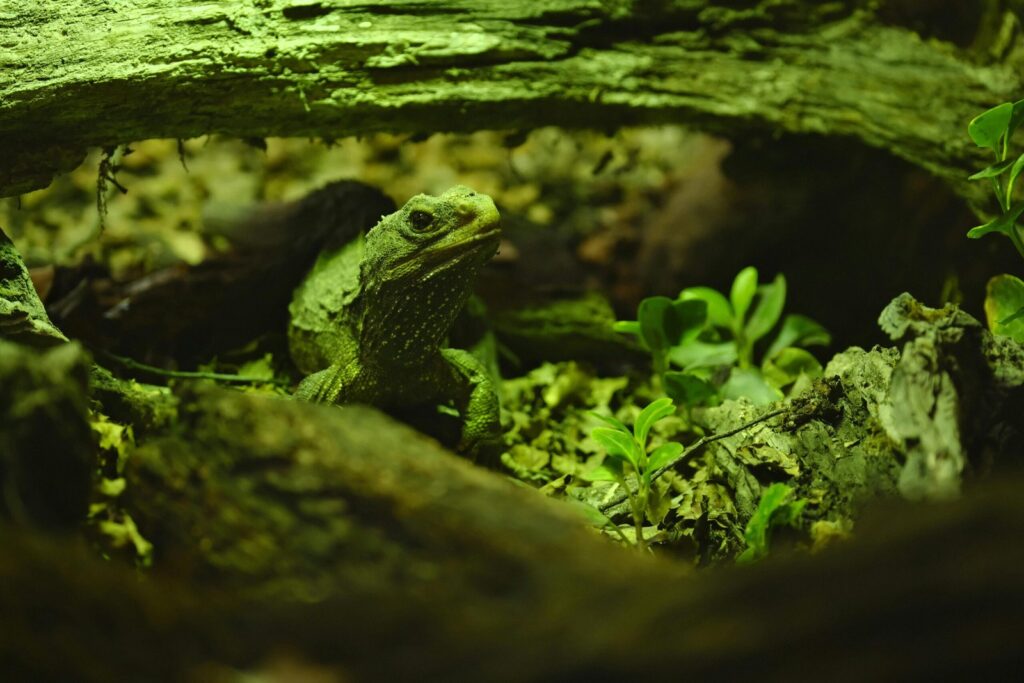
Tuatara are often called “living fossils” because their physical form has changed very little over tens of millions of years. Their ancestors date back to the age of dinosaurs, yet tuatara coexist with modern wildlife in New Zealand’s forests today. Their evolutionary uniqueness gives them immense scientific value.
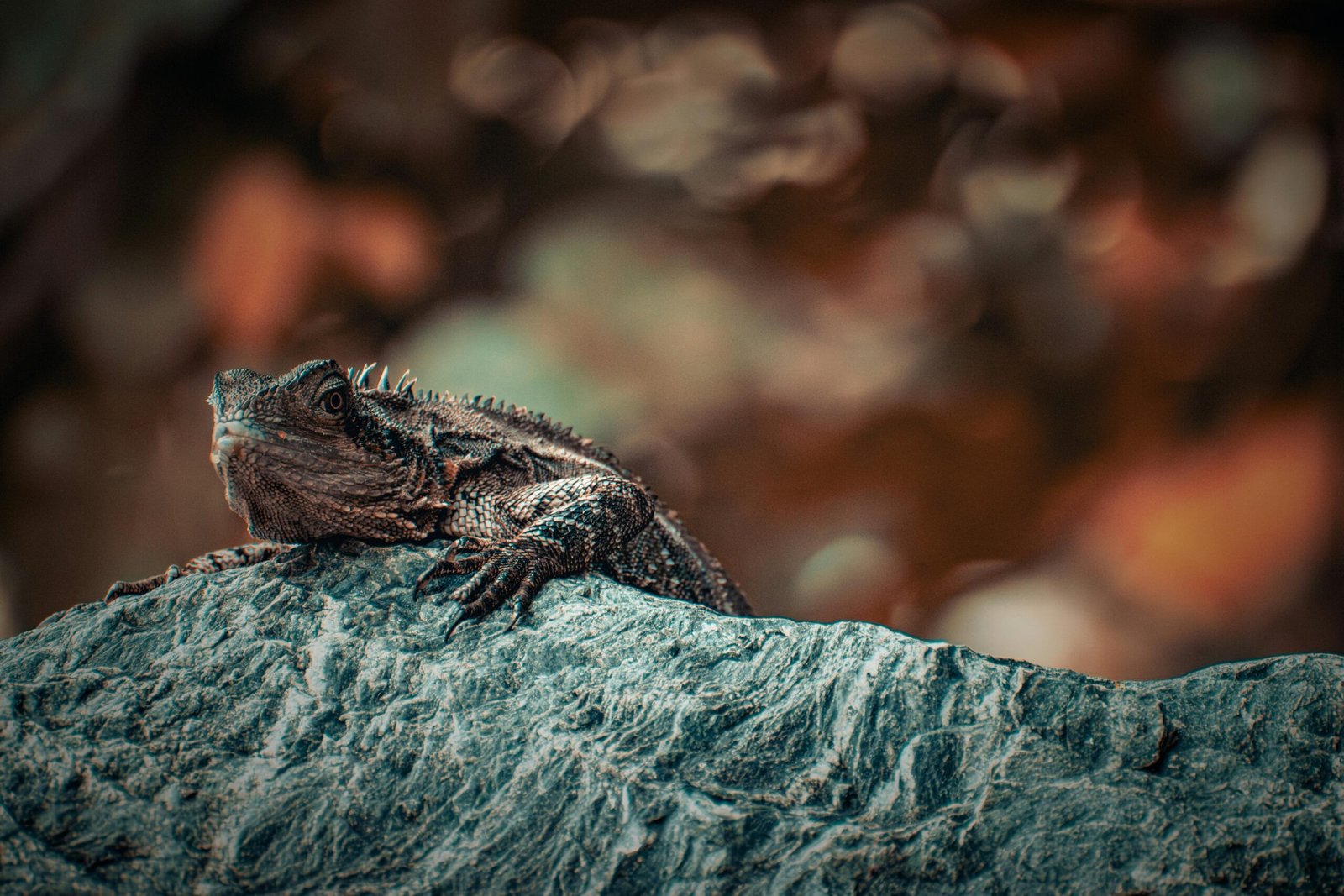
Tuatara differ from lizards and snakes in multiple anatomical ways:
Historically, tuatara inhabited mainland New Zealand from the North Island to Stewart Island. However, with the arrival of invasive mammals such as rats and stoats, they were driven from most of their historic range. Today, tuatara survive primarily on predator-free offshore islands, including Tiritiri Matangi Island.
Located in the Hauraki Gulf Marine Park, just a short paddle or ferry trip from Auckland, Tiritiri Matangi Island is one of New Zealand’s most celebrated ecological restoration projects. Over the past 35+ years, volunteers, conservationists, and scientists have eradicated invasive predators and reintroduced nearly 120 native species — including tuatara — to this regenerating sanctuary.
Today, Tiritiri Matangi boasts thriving populations of:
The island’s tuatara are part of active conservation programs, including nesting monitoring, temperature studies, and relocation initiatives that support population resilience across predator-free islands.
See Tuatara in the Wild — Our Guided Tour Experience
One of the most powerful ways to connect with New Zealand’s unique wildlife — including tuatara — is through a professionally guided ecological tour to Tiritiri Matangi Island. Our Tiritiri Matangi Twilight Kayak & Wildlife Experience blends adventure, conservation, and interpretation for an unforgettable encounter with nature.
This isn’t just sightseeing — it’s immersive, interpretive, and educational, designed to deepen your understanding of New Zealand’s natural heritage.

Though tuatara are typically shy and cryptic, your experienced guide knows the best spots where sightings are most likely. Tuatara usually bask in sunny patches during cooler months and retreat to burrows at night — but being part of a guided conservation-focused walk significantly increases your chances of a meaningful encounter.
During your forest exploration, you’ll learn:
Below are high-value People Also Ask style questions with concise answers optimized for FAQ schema markup.
Tuatara are not lizards; they belong to a distinct reptile order (Rhynchocephalia) that split from other reptiles over 200 million years ago. Unlike lizards, tuatara have unique dentition, a third eye, and a slower metabolism adapted to cooler environments.
Tuatara are found primarily on predator-free offshore islands, with Tiritiri Matangi Island near Auckland being one of the most accessible locations for visitors to see them in the wild under guided supervision.
Yes — guided conservation tours to Tiritiri Matangi Island, including sea kayak and day or night wildlife experiences, include interpretive walks where tuatara sightings are possible. These tours blend ecological education with opportunities to observe tuatara in their protected habitat.
Tuatara are considered at risk due to historical habitat loss and predation by introduced mammals. Conservation efforts on islands like Tiritiri Matangi have stabilized and increased some populations, but continued protection and management are essential.
Tuatara are most visible in spring and summer months when they bask in sunny patches to regulate body temperature. Guides know seasonal behaviours and habitat preferences to maximize the chance of sightings.
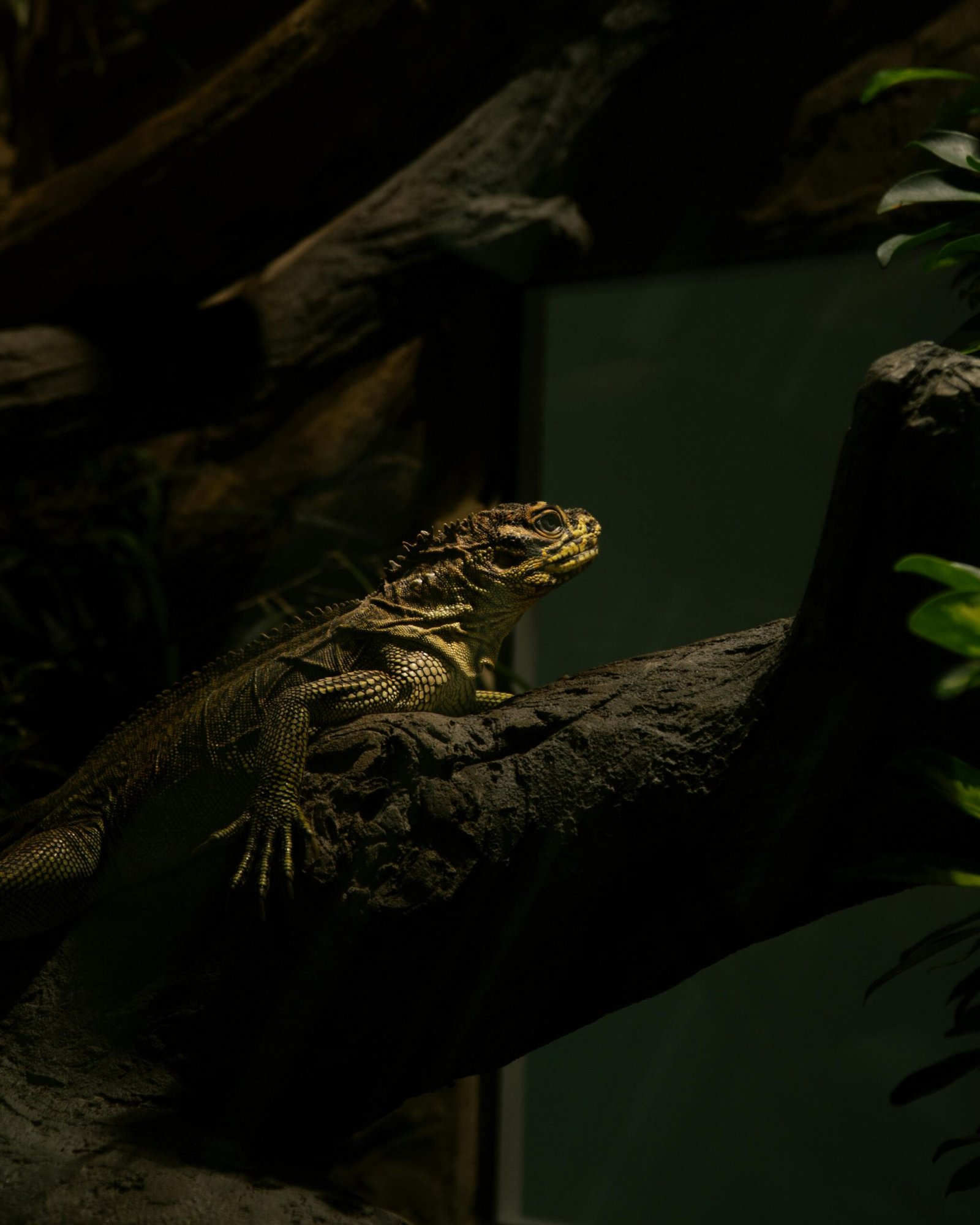
Tuatara hold deep ecological and cultural value in Aotearoa New Zealand. In te reo Māori, tuatara means “peaks on the back,” referring to their distinctive spiny crest. They feature in Māori lore as guardians of the land, often associated with ancestral knowledge and the natural world.
Modern conservation programs integrate Māori principles (kaitiakitanga) with scientific practice — protecting, monitoring, and sharing stewardship of this taonga (treasure) species.
Learning about tuatara isn’t just a biology lesson — it’s a window into Earth’s deep history. These reptiles survived mass extinctions, shifting climates, and now face modern pressures that demand intentional care. By visiting Tiritiri Matangi on our guided tour, you support ongoing conservation work and witness a remarkable success story in protecting native wildlife.
Ready to combine adventure, education, and deep nature connection in the Auckland region? Our Tiritiri Matangi Twilight Sea Kayak & Wildlife Tour offers one of the most compelling ways to encounter tuatara alongside other endemic species.
Whether you’re a wildlife enthusiast, ecological learner, or curious traveller, this is your opportunity to see tuatara in their natural, predator-free sanctuary — with expert interpretation, sustainable practices, and unforgettable memories.
 Click here to book, learn more about seasonal departures, or contact us with questions.