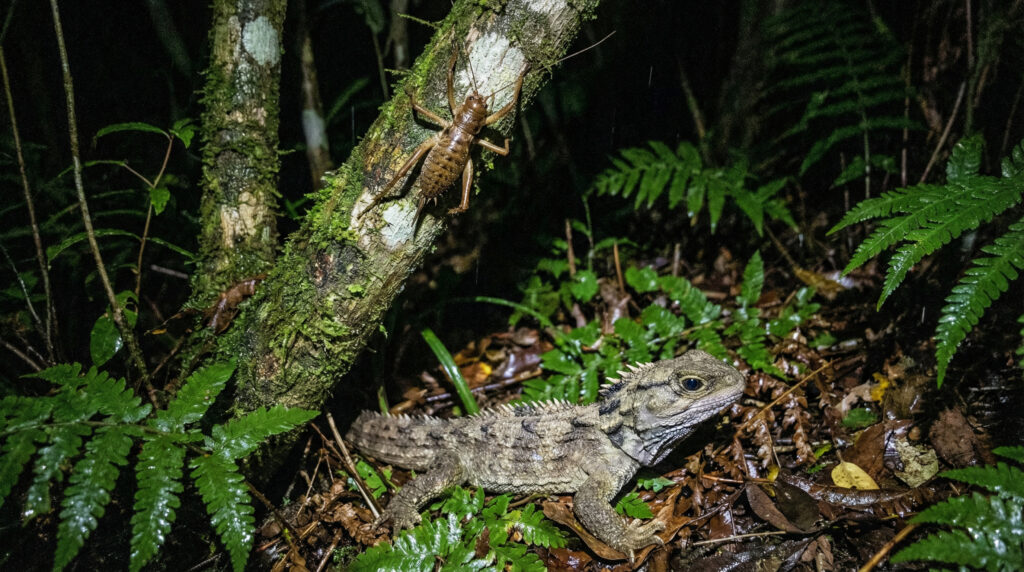
Wētāpunga in New Zealand — Discover the World’s Largest Wētā on Tiritiri Matangi
Everything you need to know about wētāpunga (giant wētā), their biology, conservation, where to see them in New Zealand, and how to encounter them responsibly on our Tiritiri Matangi Island night tour.
Introduction: What Is Wētāpunga?
When people search “wētāpunga in New Zealand”, they are usually looking for one thing: the biggest insect on Earth.
Wētāpunga (Deinacrida heteracantha) is New Zealand’s largest and heaviest species of giant wētā, an iconic group of endemic insects found nowhere else in the world.
Often misunderstood, sometimes feared, but universally fascinating, wētāpunga represent a rare evolutionary success story — a large-bodied insect that evolved in the absence of mammalian predators. Today, thanks to conservation sanctuaries like Tiritiri Matangi Island, visitors can safely and ethically observe wētāpunga in the wild under expert guidance.
Wētāpunga Meaning and Origins
The name wētāpunga comes from te reo Māori and translates roughly to “god of ugly things” — a playful reference to its formidable size and spiny appearance rather than any true danger. In reality, wētāpunga are harmless, shy, and ecologically important forest dwellers.
They are part of the wider wētā family, which includes:
Among these, wētāpunga is the largest living species.
Why Wētāpunga Are So Important in New Zealand
Wētāpunga exist only in New Zealand, and historically only on Little Barrier Island (Hauturu-o-Toi). Their restricted range makes them one of the country’s most conservation-significant invertebrates.
Before human arrival, New Zealand lacked land mammals. Insects like wētāpunga evolved large body sizes to fill ecological niches occupied elsewhere by small mammals.
Wētāpunga play an important role in forest ecosystems:
Their presence signals a healthy, predator-free ecosystem.
Where Do Wētāpunga Live in New Zealand?
Historic Distribution
Historically, wētāpunga were limited to Little Barrier Island due to their vulnerability to introduced predators such as rats, cats, and stoats.
Modern Conservation Sites
Through carefully managed translocation programmes, wētāpunga populations now thrive on a small number of predator-free islands, including:
Among these, Tiritiri Matangi is the most accessible place near Auckland where the public can learn about and potentially see wētāpunga as part of a guided experience.
Tiritiri Matangi — A Sanctuary for Giant Wētā
Tiritiri Matangi is internationally recognised as one of the world’s most successful ecological restoration projects. Once farmland, the island has been transformed into a thriving sanctuary through:
Today, it supports robust populations of:
Wētāpunga were translocated to Tiritiri Matangi as part of a long-term conservation strategy to establish insurance populations outside their original range.
Seeing Wētāpunga on Our Tiritiri Matangi Night Tour
The best time to see wētāpunga is at night — and that’s where our experience excels.
Our Tiritiri Matangi Twilight Kayak & Nocturnal Wildlife Tour is specifically designed to align with the natural behaviour of nocturnal species.
Why This Tour Offers the Best Opportunity
During the guided nocturnal bush walk, guests may encounter:
No two nights are ever the same — but the ecological richness is constant.
What Does Wētāpunga Look Like?
People often search:
Here’s the reality.
Despite their intimidating size, wētāpunga do not bite or sting and pose no threat to humans.
When Is the Best Time to See Wētāpunga?
Season:
Time of Day:
Conditions:
Our tour timing is deliberately structured around these optimal conditions.
Frequently Asked Questions (People Also Ask)
What is wētāpunga?
Wētāpunga is New Zealand’s largest species of giant wētā — a flightless, nocturnal insect endemic to predator-free islands.
Where can you see wētāpunga in New Zealand?
Wētāpunga can be found on a small number of protected offshore islands, with Tiritiri Matangi Island being one of the most accessible locations near Auckland.
Is wētāpunga endangered?
Yes. Wētāpunga are classified as threatened due to their limited range and vulnerability to introduced predators. Conservation sanctuaries have been essential to their survival.
Can you see wētāpunga on a tour?
Yes. Guided night tours on Tiritiri Matangi Island provide opportunities to observe wētāpunga responsibly in their natural habitat.
Are wētāpunga dangerous?
No. Despite their size, wētāpunga are harmless and shy. They rely on camouflage and stillness rather than aggression.
Cultural and Conservation Significance
Wētā are considered taonga species in Aotearoa New Zealand. Their survival reflects the success of kaitiakitanga — guardianship of the natural world — blending Māori values with modern ecological science.
By visiting Tiritiri Matangi and participating in guided experiences, guests actively support:
Experience Wētāpunga the Right Way
Seeing wētāpunga in the wild is not about spectacle — it’s about respect, rarity, and understanding. On Tiritiri Matangi, every encounter is framed within conservation, education, and low-impact exploration.
Our Tiritiri Matangi Twilight Kayak & Wildlife Tour offers one of the most meaningful ways to encounter this extraordinary species — combining adventure, interpretation, and ecological integrity.
👉 Learn more, check availability, or enquire about upcoming departures.
Everything you need to know about wētāpunga (giant wētā), their biology, conservation, where to see them in New Zealand, and how to encounter them responsibly on our Tiritiri Matangi Island night tour.
When people search “wētāpunga in New Zealand”, they are usually looking for one thing: the biggest insect on Earth.
Wētāpunga (Deinacrida heteracantha) is New Zealand’s largest and heaviest species of giant wētā, an iconic group of endemic insects found nowhere else in the world.
Often misunderstood, sometimes feared, but universally fascinating, wētāpunga represent a rare evolutionary success story — a large-bodied insect that evolved in the absence of mammalian predators. Today, thanks to conservation sanctuaries like Tiritiri Matangi Island, visitors can safely and ethically observe wētāpunga in the wild under expert guidance.
Wētāpunga Meaning and Origins
The name wētāpunga comes from te reo Māori and translates roughly to “god of ugly things” — a playful reference to its formidable size and spiny appearance rather than any true danger. In reality, wētāpunga are harmless, shy, and ecologically important forest dwellers.
They are part of the wider wētā family, which includes:
Among these, wētāpunga is the largest living species.
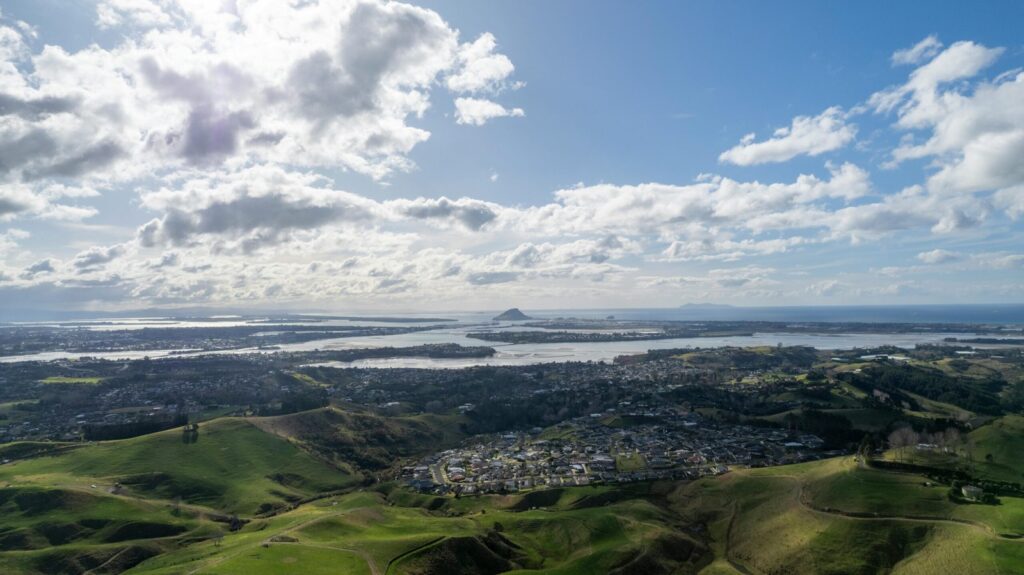
Wētāpunga exist only in New Zealand, and historically only on Little Barrier Island (Hauturu-o-Toi). Their restricted range makes them one of the country’s most conservation-significant invertebrates.
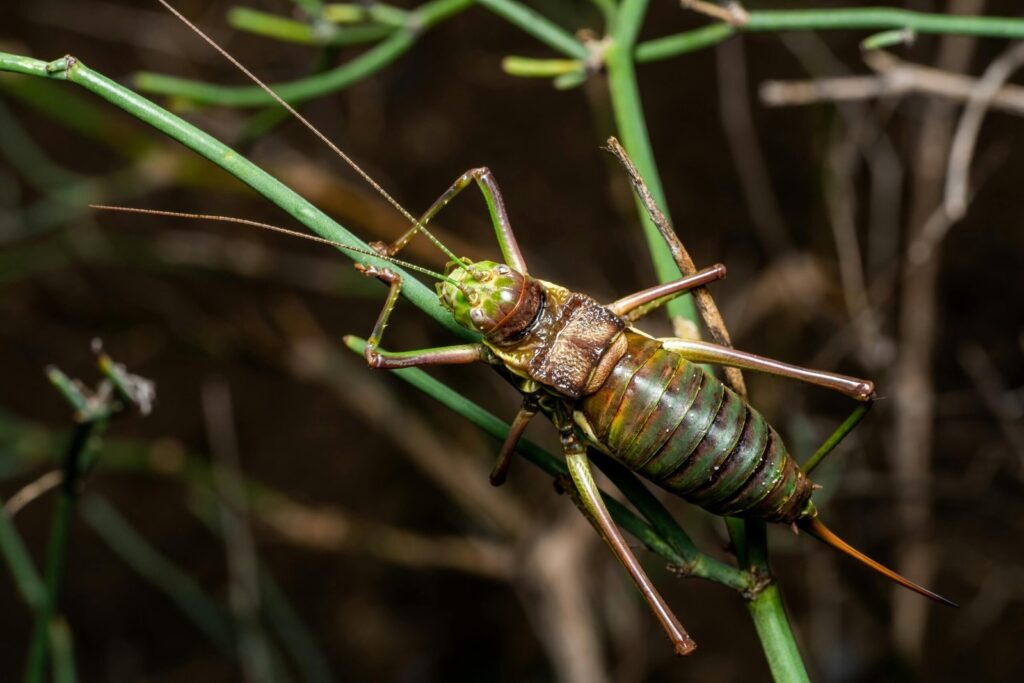
Before human arrival, New Zealand lacked land mammals. Insects like wētāpunga evolved large body sizes to fill ecological niches occupied elsewhere by small mammals.

Wētāpunga play an important role in forest ecosystems:
Their presence signals a healthy, predator-free ecosystem.

Historically, wētāpunga were limited to Little Barrier Island due to their vulnerability to introduced predators such as rats, cats, and stoats.
Through carefully managed translocation programmes, wētāpunga populations now thrive on a small number of predator-free islands, including:
Among these, Tiritiri Matangi is the most accessible place near Auckland where the public can learn about and potentially see wētāpunga as part of a guided experience.
Tiritiri Matangi is internationally recognised as one of the world’s most successful ecological restoration projects. Once farmland, the island has been transformed into a thriving sanctuary through:
Today, it supports robust populations of:
Wētāpunga were translocated to Tiritiri Matangi as part of a long-term conservation strategy to establish insurance populations outside their original range.
The best time to see wētāpunga is at night — and that’s where our experience excels.
Our Tiritiri Matangi Twilight Kayak & Nocturnal Wildlife Tour is specifically designed to align with the natural behaviour of nocturnal species.
During the guided nocturnal bush walk, guests may encounter:
No two nights are ever the same — but the ecological richness is constant.
People often search:
Here’s the reality.
Despite their intimidating size, wētāpunga do not bite or sting and pose no threat to humans.
Season:
Time of Day:
Conditions:
Our tour timing is deliberately structured around these optimal conditions.
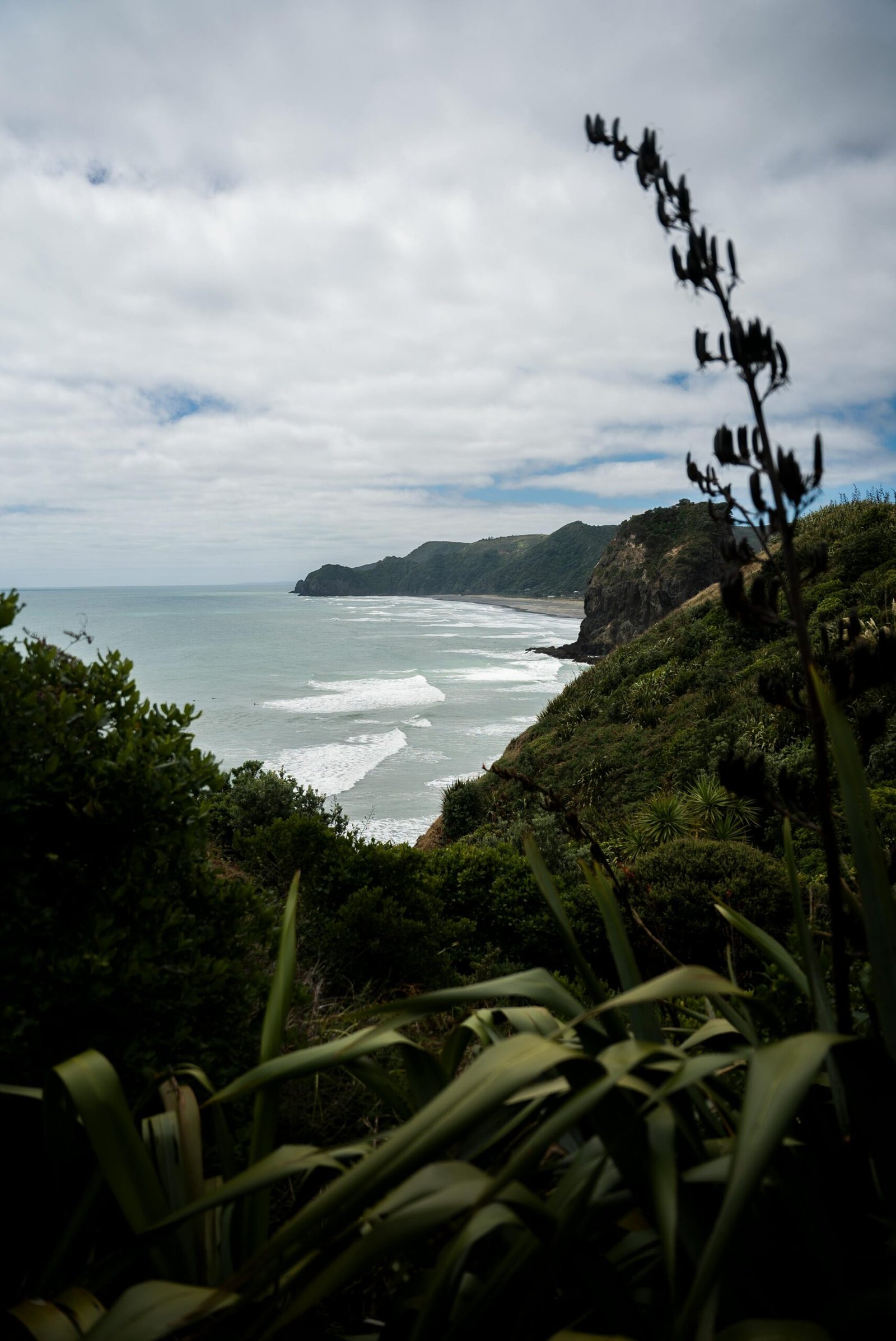
Wētāpunga is New Zealand’s largest species of giant wētā — a flightless, nocturnal insect endemic to predator-free islands.
Wētāpunga can be found on a small number of protected offshore islands, with Tiritiri Matangi Island being one of the most accessible locations near Auckland.
Yes. Wētāpunga are classified as threatened due to their limited range and vulnerability to introduced predators. Conservation sanctuaries have been essential to their survival.
Yes. Guided night tours on Tiritiri Matangi Island provide opportunities to observe wētāpunga responsibly in their natural habitat.
No. Despite their size, wētāpunga are harmless and shy. They rely on camouflage and stillness rather than aggression.
Wētā are considered taonga species in Aotearoa New Zealand. Their survival reflects the success of kaitiakitanga — guardianship of the natural world — blending Māori values with modern ecological science.
By visiting Tiritiri Matangi and participating in guided experiences, guests actively support:
Seeing wētāpunga in the wild is not about spectacle — it’s about respect, rarity, and understanding. On Tiritiri Matangi, every encounter is framed within conservation, education, and low-impact exploration.
Our Tiritiri Matangi Twilight Kayak & Wildlife Tour offers one of the most meaningful ways to encounter this extraordinary species — combining adventure, interpretation, and ecological integrity.
 Learn more, check availability, or enquire about upcoming departures.