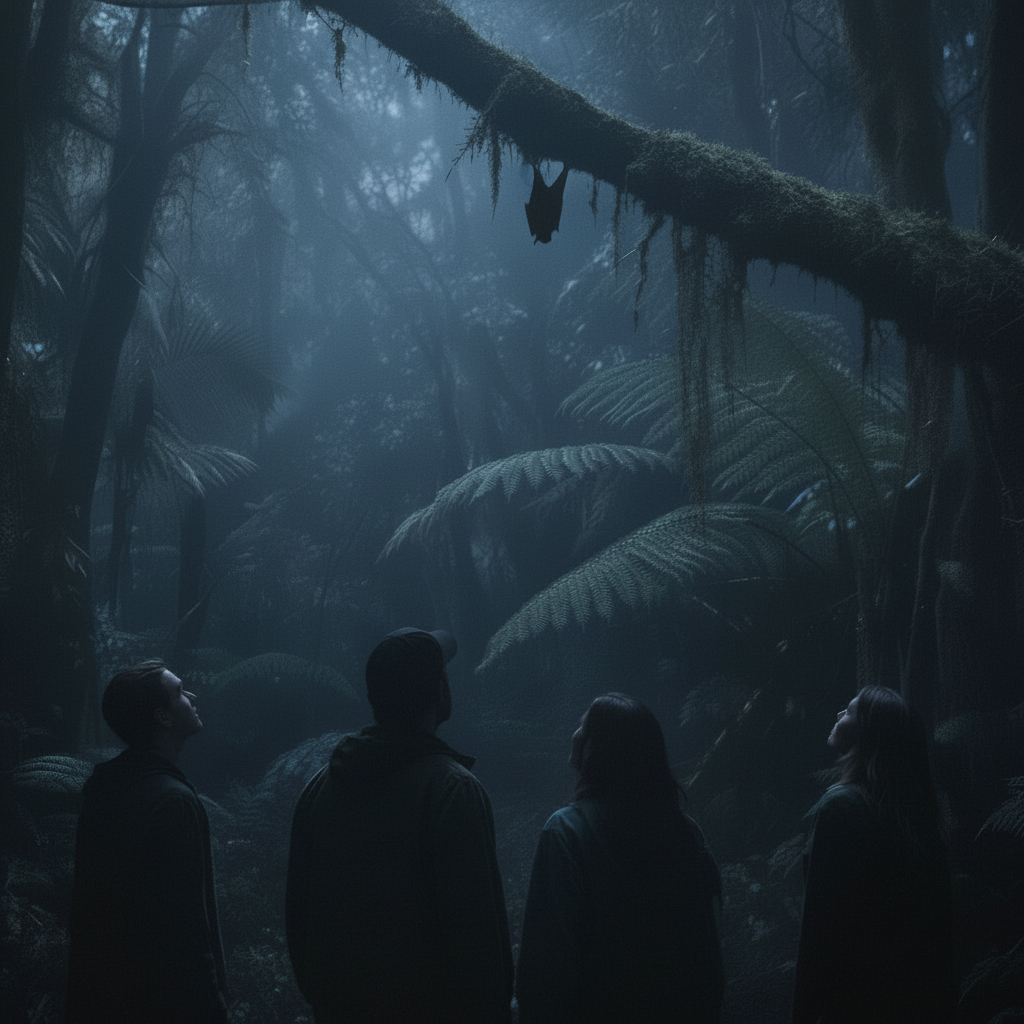
The Wild Native Bat Walk Sunset Tour by Social Nature Movement is a rare and conservation-focused nature experience that offers a unique opportunity to observe New Zealand’s native bats emerging at dusk in their natural forest habitat just outside Auckland. Led by local guides, this night walk combines wildlife observation with ecological interpretation and ethical guiding practices — appealing to travellers and locals seeking authentic nature adventures near Auckland.
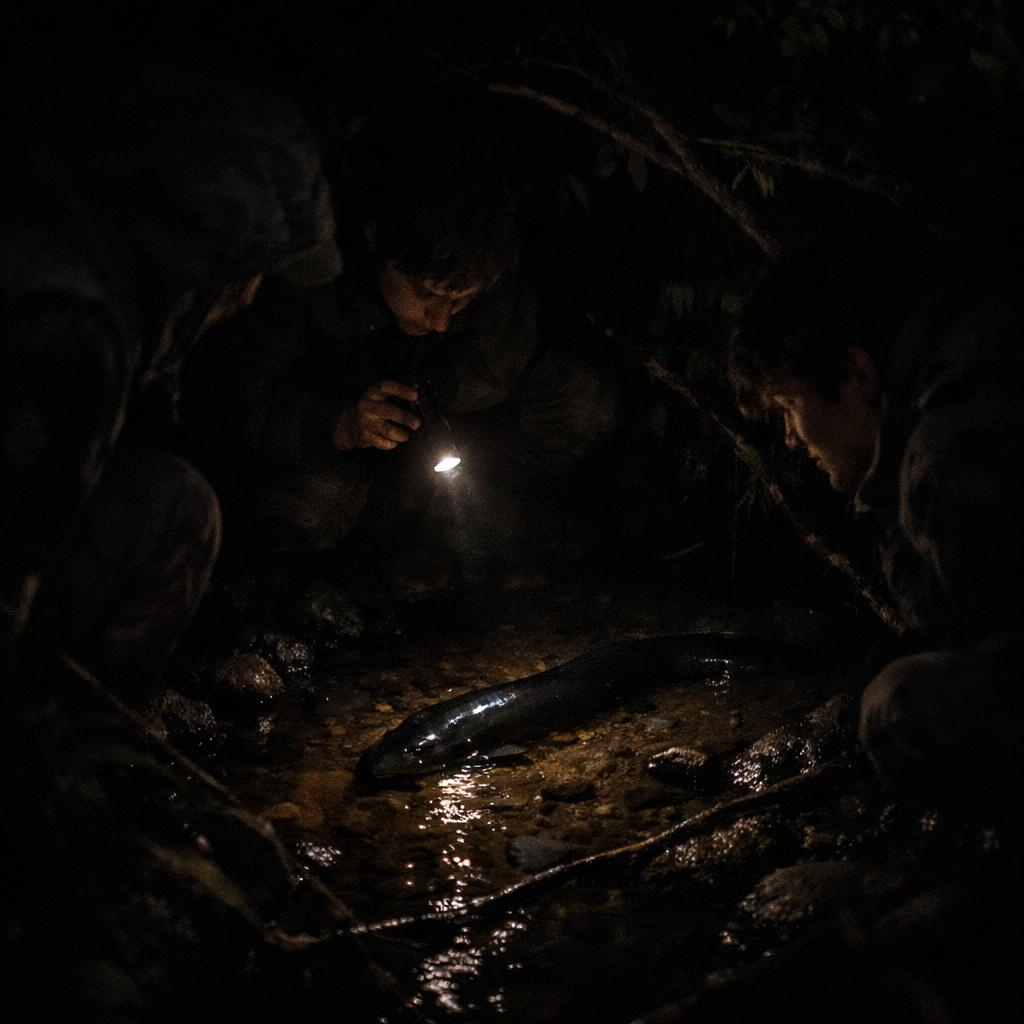
New Zealand is home to just two species of native land mammals — both of them bats. Elusive, nocturnal, and critically important to forest ecosystems, native bats are among the least-seen wildlife species in the country. Our Wild Bat Walking Tour is designed for people who don’t want a zoo, a display, or a promise of certainty — but a genuine opportunity to see native bats in their natural habitat, where they actually live and hunt.
Based in Auckland, this guided night walk takes place in protected forest environments where bats are known to forage. You walk quietly through the bush at dusk and after dark, learning how bats navigate, feed, and interact with their surroundings, while guides interpret signs, sounds, and movement in real time.
This is wildlife as it truly exists — unpredictable, subtle, and deeply rewarding.
Unlike birds that can be heard or seen during daylight, bats operate in a narrow ecological window. They rely on intact native forest, suitable roost trees, and stable insect populations. Habitat loss, predators, and human disturbance have made sightings increasingly rare.
The two species found in Aotearoa are internationally significant. One uses echolocation to hunt flying insects high above forest edges; the other is one of the world’s only bats that can forage on the forest floor, folding its wings and moving with surprising agility.
Seeing native bats in natural habitat isn’t about spectacle. It’s about understanding why their survival matters — and why protection of forest ecosystems near cities like Auckland is so critical.
Yes — but only in the right places, at the right times, and with the right approach.
Auckland council’s surrounding ranges still support pockets of suitable bat habitat, particularly where mature native forest, waterways, and insect-rich environments overlap. These areas are quiet, dark, and largely free from artificial lighting.
Our tours are scheduled around bat activity windows, not convenience. Dusk and early night are when bats emerge from roosts to feed. On calm evenings with suitable temperatures, bats may be observed flying along forest edges, above tracks, or across clearings.
Because this is a real wildlife experience, sightings are never staged or guaranteed. What we offer instead is expert interpretation, ethical guiding, and access to environments where bats naturally occur based on known distributions of New Zealand’s bats.
The experience begins before night fully falls. Guides introduce the ecology of the area, outline safety and low-impact practices, and explain what signs to look and listen for as darkness sets in.
As you walk slowly through the forest:
Guides interpret bat flight paths and behaviour
Bat detection technology may be used to help identify activity
You learn how weather, insects, moonlight, and forest structure affect bat movement
Conservation context is woven throughout the walk
Groups are kept small to minimise disturbance. This is not a hike, a rush, or a thrill-seeking activity — it’s a focused nature experience designed for observation, learning, and respect.
Long-tailed bat (pekapeka-tou-roa)
This species is more commonly encountered around forest edges and open spaces, where it hunts flying insects at speed. It is agile, fast, and often glimpsed as a sharp silhouette against the fading sky.
Short-tailed bat (pekapeka-tou-poto)
Extremely rare and harder to detect, this bat is known for its unusual behaviour, including feeding on the forest floor and pollinating native plants. Sightings are uncommon, but learning about this species is a core part of the tour.
Even when bats are heard rather than seen, understanding their presence transforms how people perceive the forest at night.
Bat activity in Auckland is seasonal. Warmer months bring higher insect populations and increased bat movement. Calm evenings with mild temperatures and low wind offer the best conditions.
Tours run only when ecological factors align. This ensures minimal disturbance to wildlife and a higher chance of authentic encounters.
If conditions aren’t suitable, guides will always prioritise conservation and safety over forcing an experience.
This experience is ideal for:
Visitors wanting to see native bats in the wild
Nature lovers and photographers comfortable in low light
Families with older children interested in wildlife
Educators, conservation-minded travellers, and locals
It may not suit:
People expecting guaranteed sightings
Those seeking fast-paced or adrenaline-based activities
Anyone uncomfortable walking in forest environments at night
Social Nature Movement is the only commercial operator in Auckland offering a dedicated wild bat walking tour focused on native bats in their natural habitat.
Our guiding approach is built on:
Deep local knowledge of Auckland ecosystems
Conservation-first decision making
Small groups and ethical wildlife viewing
Clear interpretation without exaggeration or gimmicks
This is not bat-themed entertainment. It is a real nature experience, delivered with professionalism, care, and respect for the environment.
Q1. Are there native bats in Auckland?
Yes. Auckland still has native bat populations in suitable forest habitats, particularly in protected and less-disturbed areas.
Q2. Can you guarantee that we will see bats?
No. This is a real wildlife experience. Bats are wild and sightings depend on conditions, but tours are run only in known habitat during active periods.
Q3. What time of day does the tour run?
The tour runs at dusk and into early night, when bats naturally emerge to feed.
Q4. Is the walk difficult?
No. The walk is gentle and unhurried, on established tracks, suitable for most people with basic mobility.
Q5. Is this suitable for children?
Yes, for older children who are comfortable walking quietly at night and interested in nature and wildlife.
Q6. What should I wear or bring?
Sturdy footwear, warm layers, and weather-appropriate clothing are recommended. No specialist gear is required.
Q7. Are bats dangerous to humans?
No. New Zealand’s native bats are small, shy, and avoid people.
Q8. Why is conservation emphasised on this tour?
Because bat survival depends on intact habitat and low disturbance. Understanding this helps protect them long-term.