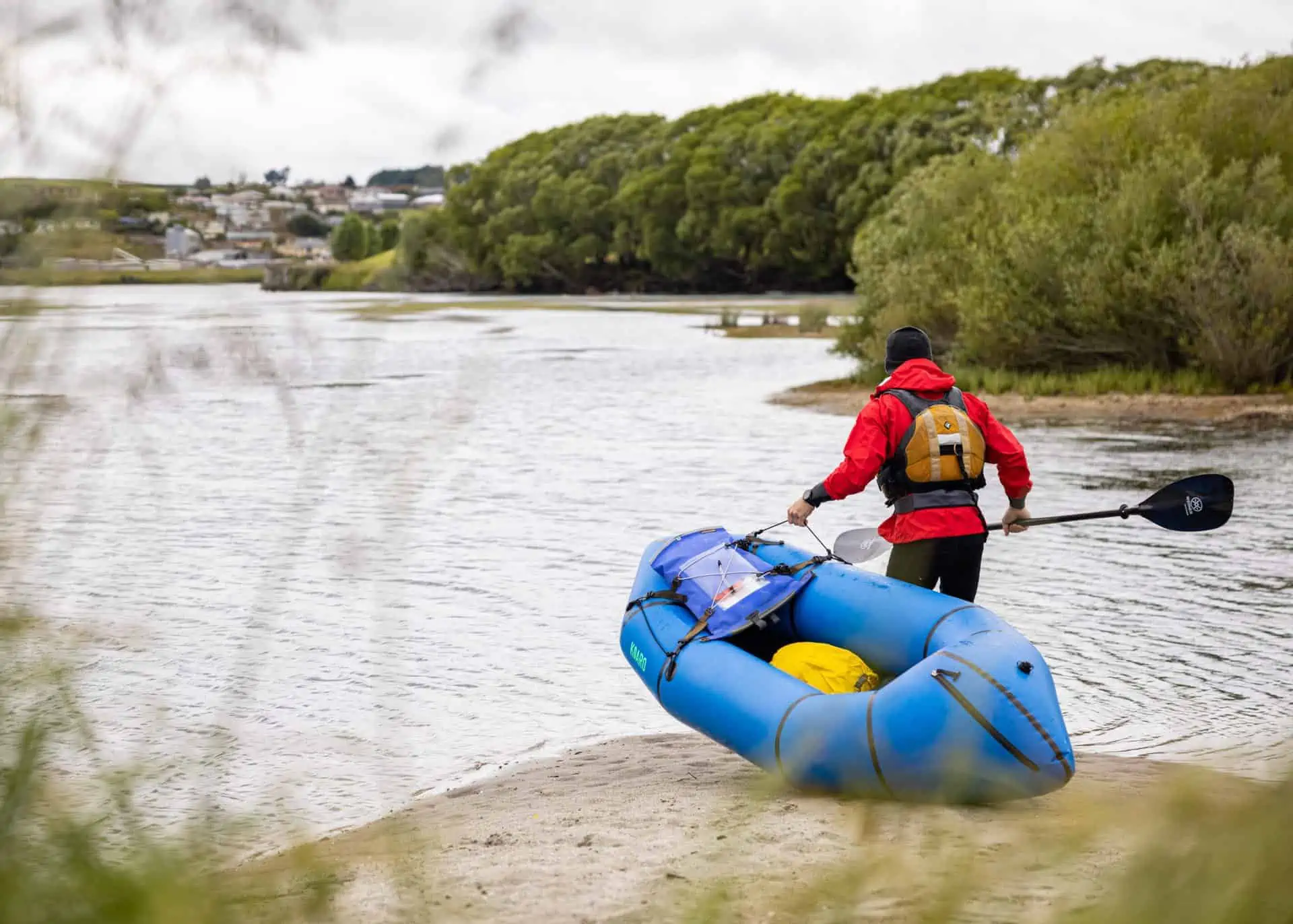
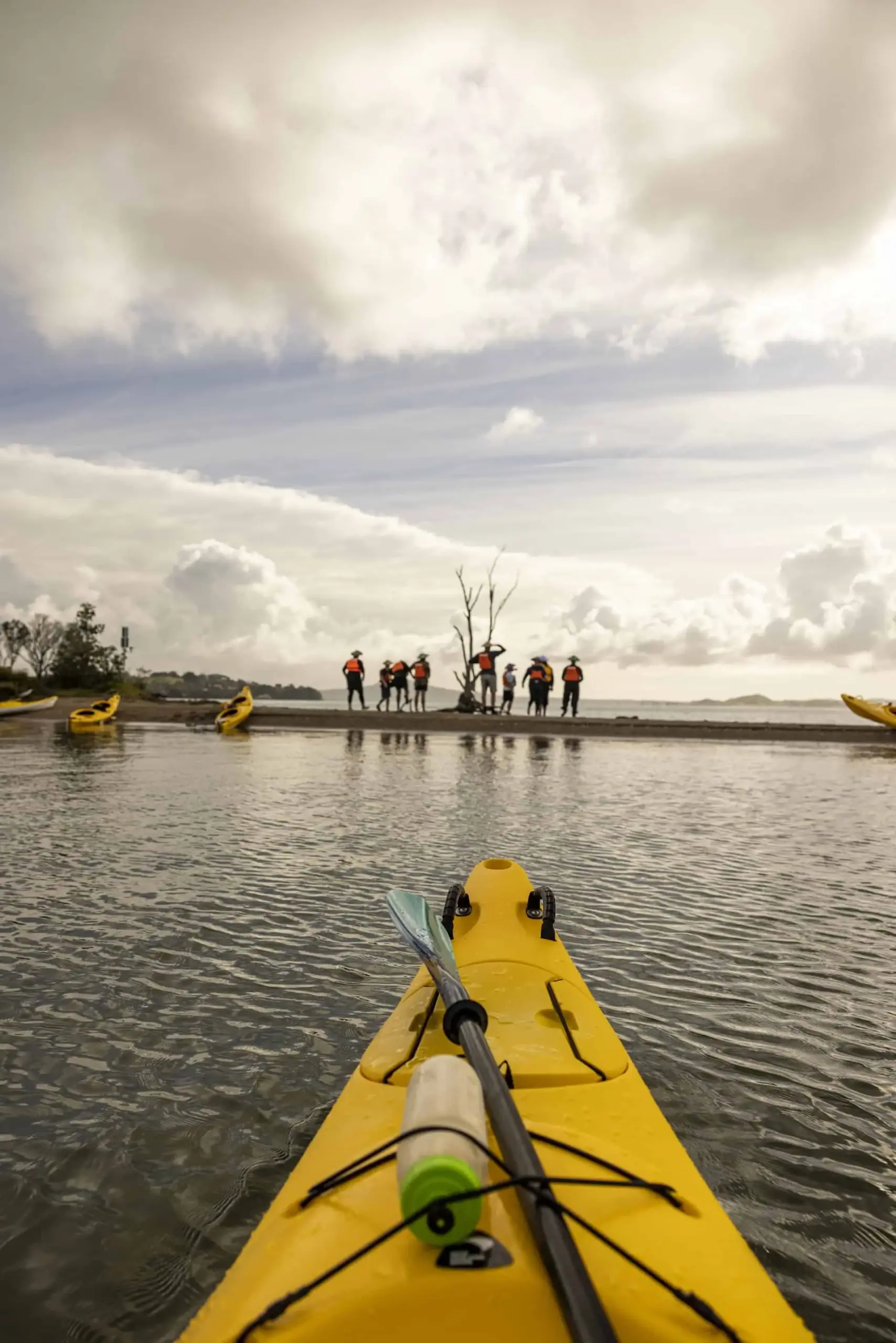
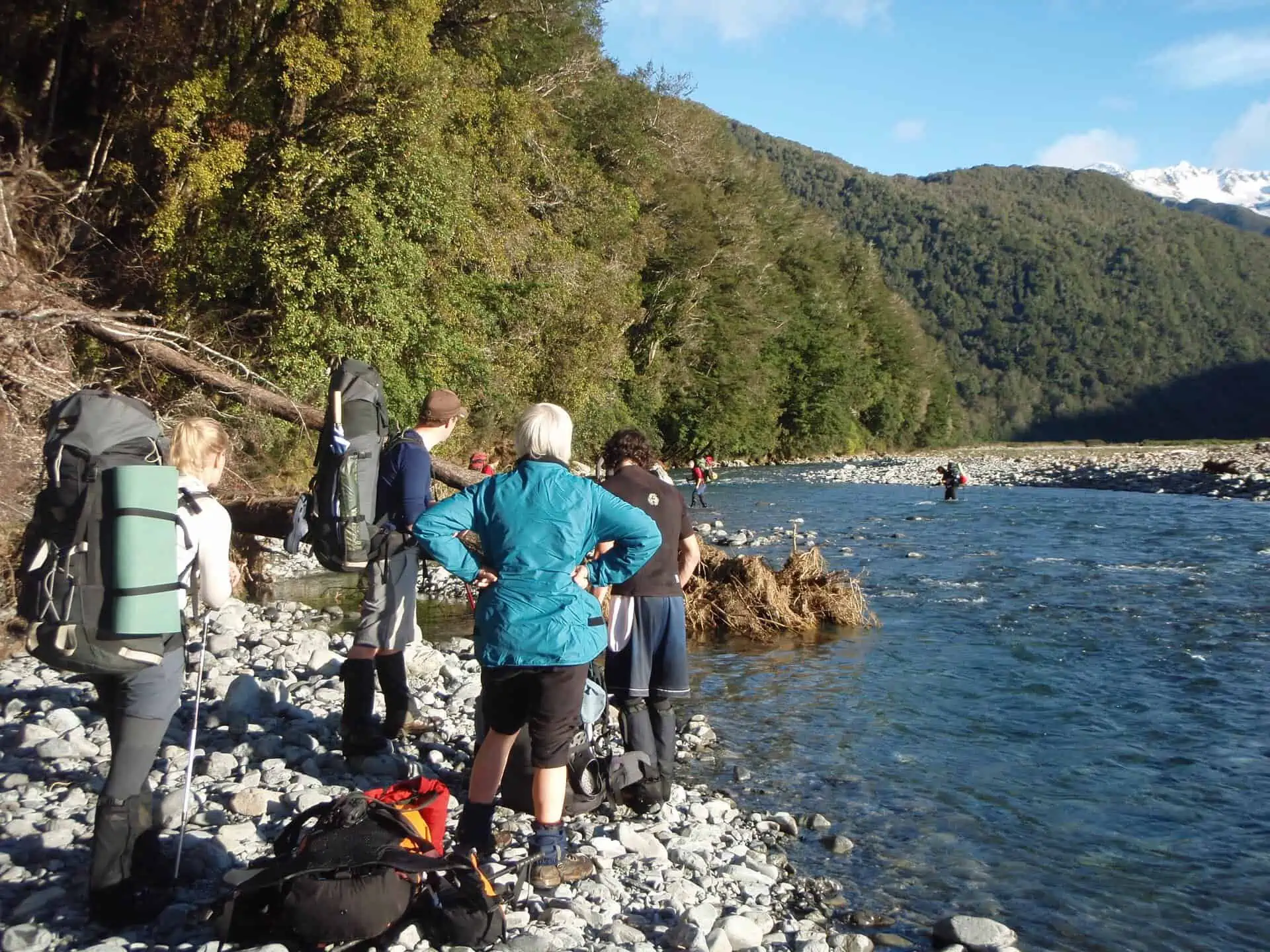
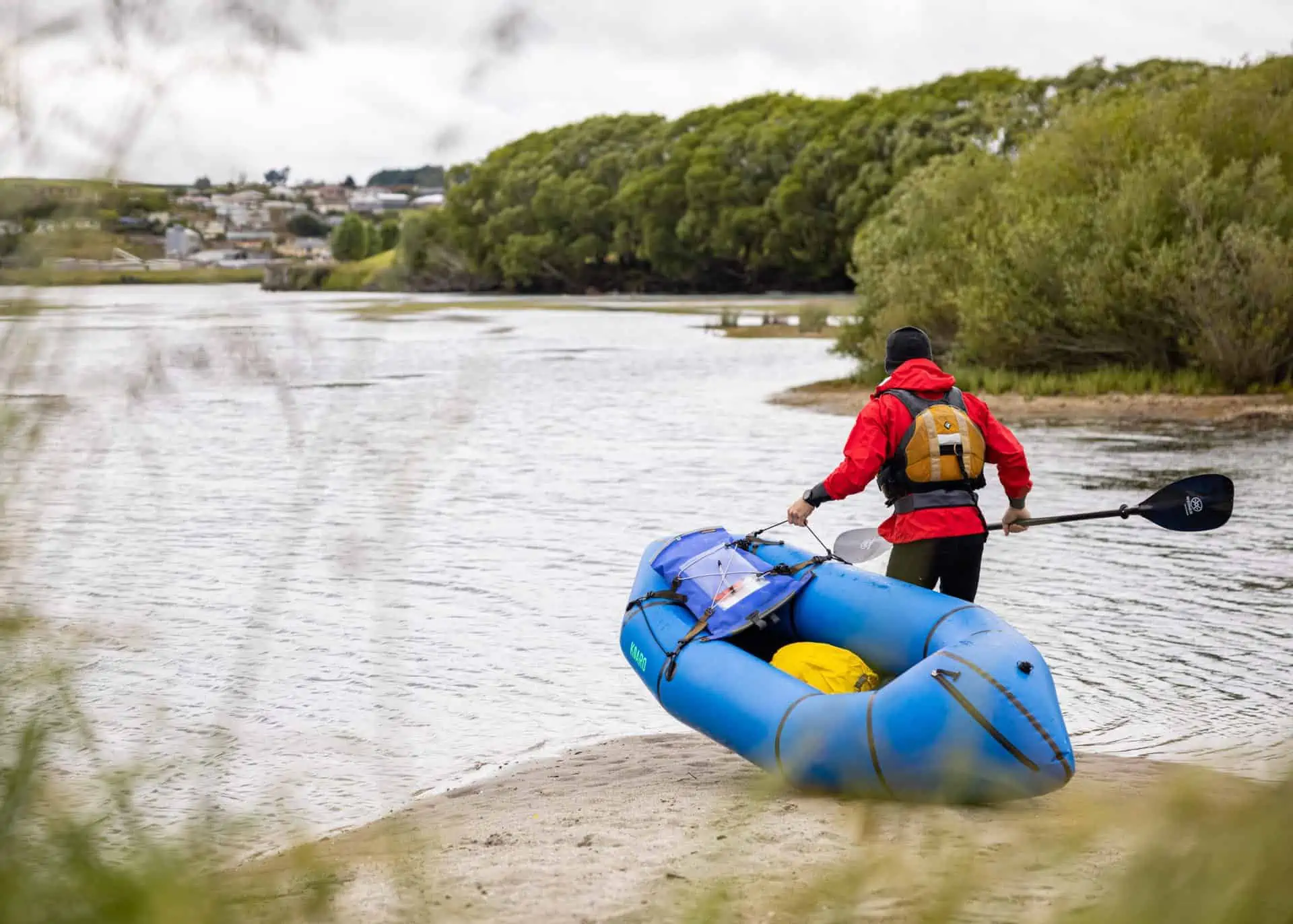
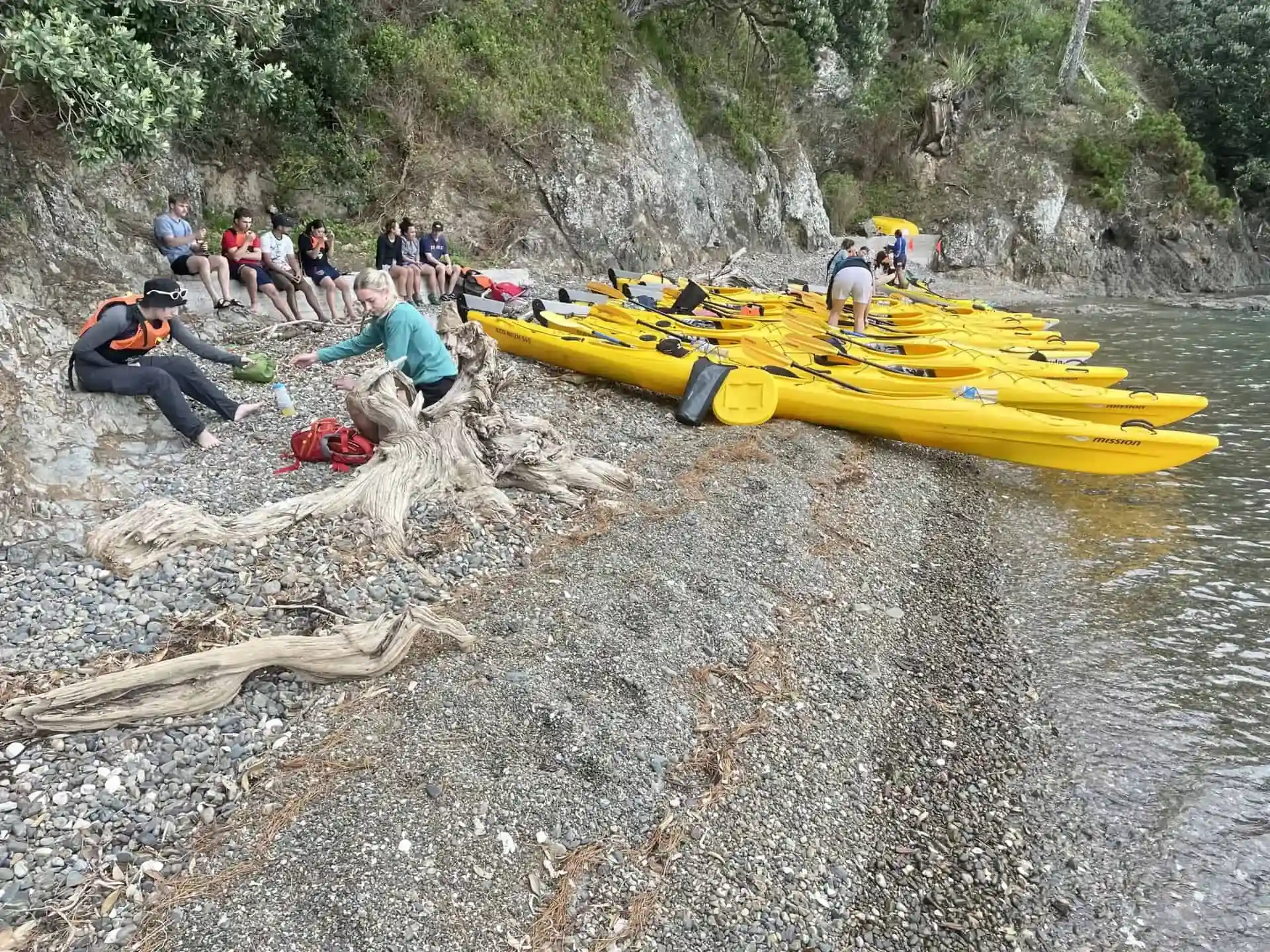
DoE Silver Practice & Qualifier package pushes your adventurous spirit further by encouraging discovery that deepens the connection to yourself, your teammates, and the great outdoors. 15+ years old. Pre-requisites: Bronze. Dates and locations: You choose. Duration: Four days / three nights. Transport mode: Tramp, Kayak, SuP or Packrafting
DoE Silver Practice & Qualifier package
Duration: Four days / three nights
Armed with the knowledge and skills you gained from your Bronze award, Silver pushes your adventurous spirit further by encouraging discovery that deepens the connection to yourself, your teammates, and the great outdoors. The DoE Silver Practice & Qualifier package is a four-day, three-night adventure in New Zealand. Drawing on the skills you gained at Bronze level, this trip will extend your knowledge further, so you can experience a greater sense of achievement and adventure.
Welcome to the Silver Duke of Edinburgh Adventurous Journey section and congratulations on completing the Bronze level! Now that you have fundamental knowledge, skills and experiences in the outdoors, we will help you take the next step in preparing for full independence. Push it to the next level with us by building on learning developed during The Duke of Edinburgh Award Bronze Adventurous Journey with all new challenges and novel places to explore. Plan your next adventure so it is unforgettable!
Participants at Silver level are well on their way to achieving with another adventure just waiting around their corner with Social Nature Movement. Where necessary, two levels can be on the same journey, provided each participant meets the minimum requirement for the higher Award level. All practice and qualifying journeys at all levels should be on tracks that have not been used for a previous journey.
Occasionally, a significant expedition or exploration involving extra innovation, creativity and challenge may take place. In such circumstances, the advice and agreement of a Group’s or Unit’s Operating Authority is required to proceed. The only additional stipulation is that all participants must be aged 18 or over. It is also the case that significant Adventurous Journeys – such as scaling a Himalayan peak – would require the advice and assistance, usually at cost, of an external provider such as a reliable expedition company.
DoE Silver Practice & Qualifier package
Armed with the DofE knowledge and skills you gained from your Bronze Duke of Ed award, Silver pushes your adventurous spirit further by encouraging discovery that deepens the connection to yourself, your teammates, and the great outdoors.
The final Duke of Edinburgh stage in the Silver award, the qualifying journey is a three-day, two-night adventure in New Zealand. This DoE expedition is your chance to step it up and show that you can survive and thrive in New Zealand’s great outdoors. So, using everything you’ve learned so far with Duke of Ed, you and your team will lead the way as you explore a different New Zealand region. From the get-go, it will be up to you to steer this adventurous journey of discovery. Your Social Nature Movement instructor will be there to offer guidance. But this adventurous journey should be as student-led as possible.
Welcome to the final part of the Silver Duke of Edinburgh Adventurous Journey section and congratulations on completing the Bronze level! Now that you have fundamental DoE knowledge, skills and experiences in the New Zealand outdoors, SNM will help you take the next step in preparing for full outdoor independence. Push it to the next level with us by building on DoE learning developed during The Duke of Edinburgh Award Bronze Adventurous Journey with all new challenges and novel NZ places to explore. Plan your next DoE adventurous journey so it is unforgettable! Participants at Silver level are well on their way to achieving with another adventure just waiting around their corner with Social Nature Movement.
The Silver DofE Expedition Section should provide opportunities to:
• Plan and execute a journey – requiring attention to detail and organisational ability. • Demonstrate enterprise and imagination – by the group organising their own journey. • Work as a member of a team – all journeys are a group effort. • Respond to a challenge – either planned or unforeseen. • Develop self-reliance – through carrying out an unaccompanied journey. • Develop leadership skills – members of the group have opportunities to take a leading role during different aspects of the journey. • Recognise the needs and strengths of others – all are involved in mutual support to ensure the success of the journey. • Make decisions and accept the consequences – the group makes real decisions affecting their well-being. • Reflect on personal performance – through reviewing progress during training and at the end of the Qualifying Journey. • Enjoy and appreciate the environment – developing an awareness of the areas visited and issues affecting the environment.
Other Silver DoE Adventurous Journeys
Occasionally, a significant silver expedition or exploration involving extra innovation, creativity and challenge may take place. In such circumstances, the advice and agreement of a Group’s or Unit’s Operating Authority is required to proceed. The only additional stipulation is that all participants must be aged 18 or over. It is also the case that significant Adventurous Journeys – such as scaling a Himalayan peak – would require the advice and assistance, usually at cost, of an external provider such as a reliable expedition company.
Examples of Silver DofE explorations and expeditions
• Exploring the natural world: glaciation, erosion, geology, coastal studies, river valleys, plant studies, bird studies or animal studies, insect studies • Exploring historic land use: prehistoric man, historical periods • Exploring human impact: visitor pressure in national parks, pollution monitoring, surveys of numbers of walkers in remote areas • Carrying out health surveys or health education in remote areas • Completing a demanding journey by foot, cycle or canoe/ kayak • Investigating group dynamics in challenging conditions • Kayaking the entire navigable stretch of a river
• Extensive sail across an ocean • Climbing an Alpine, Himalayan or other high mountainous peak • Cycling from one end of a country to another or from coast to coast
Where necessary, two DoE levels can be on the same journey, provided each participant meets the minimum requirement for the higher Award level.
All practice and qualifying journeys at all DoE levels should be on tracks that have not been used for a previous journey.
How to sign off completed Silver DofE Adventurous Journeys using ORB
Apply for NCEA credits while doing your Silver Duke of Edinburgh Award
SILVER AWARD – NZQA Unit Standards Level 2 • Produce a personal targeted CV – 2 credits (4252, v.8) • Manage own learning in a programme – 3 credits (7118, v.6) • Apply a problem-solving method – 3 credits (7123, v.7) • Communicate in a team or group – 3 credits (9677, v.10) • Complete a work experience placement – 3 credits (10780, v.5) • Participate in an informal meeting – 3 credits (10791, v.5)
Thin merino shirt / thermal (polypropylene) shirt x 2
Fleece jumper (x1 Summer, x2 Autumn)
Alternative insulation jumper x1 (wool, down, synthetic) (add this if Winter)
Thermal bottom leggings (polypropylene),
Shorts
Pants
Swimwear
Socks
Sunhat
Warm beanie
Neck warmer / scarf
Warm gloves
Equipment
Camp shoes (jandals / crocs)
Closed-toe footwear (trail runners / boots)
Sunglasses
Toiletries
Personal medication
Water bottle (1L+)
Head torch
Sleeping bag
Sleeping bag liner (not critical)
Sleeping mat
Cooker and fuel
Tent
Matches/lighter
Cutlery and crockery
Watch (not critical)
Knife / multi tool / swiss army knife
Walking poles (not critical)
Day pack / mission bag
Waterproof pack liner (can be a large black rubbish bag)
Pack rain cover (not critical)
Backpack (50-75L) to put all of the above in
Itineraries
Environmental care
Reasons for minimal impact on the environment
Leadership
Safety management forms, Procedure for dealing with an accident/incident in the type of country visited, reporting and passing messages, summoning help.
Trip planning
Planning a trip of two nights’ duration, Safety Management and Expedition forms.
Clothing
Clothing for rugged country use, Cost to set up self.
Equipment
Equipment for rugged country trips, Packing for a trip of two nights’ duration, Cost to set up self, Use of mountain radios, Knowledge of emergency beacons.
Stoves and fuels
Light more than one type of stove, Lighting a hut stove.
Food
Plan and cook hot sustaining meals under conditions to be expected on the venture, Dehydrated food.
Campcraft
Further training as appropriate.
Map reading
Further training and practice in the use of maps, with particular reference to route planning in the type of country to be used, Drawing a map in relation to the local environment.
Compass use
Purpose of bearings, Determining a bearing from a map, Travelling on a bearing, Back bearings.
Route finding
Walking on routes and through untracked areas.
Water safety
The dynamics of rivers and moving water, The best places to cross, Crossing rivers using mutual support.
Survival / loss of route
Basic shelter construction techniques for warmth and waterproofing of emergency shelters, Emergency fire lighting, Helicopter safety rules.
Outdoor first aid
Actions at an accident scene, Treatment of foreign bodies in eye, nose, ear, Recognition and immobilisation of fractures of the ankle, lower leg, arm, Prevention and treatment of diarrhoea, The recovery position for unconscious patients.
Explorations
Observation, survey and recording techniques applicable to final venture, Use of related equipment.
Integrated Insights: Frequently Asked Questions
When are your trips running
Whenever you want! We just need 4+ participants, then we can go at a date of your choosing!
Who is in charge during the DoE practice journey?
It is a combination of instructor and student. The instructor will teach you as much as they can to set you up for independent succes and autonomy come your qualifying journey.
What activities can I do as part of the DoE adventurous journey?
SNM offers tramping, sea kayaking, stand up paddle boarding and packrafting.
Will I be able to contact you or my child if I am concerned about anything?
SNM staff carry cellphones and emergency communication devices where it is often (but not always) possible to connect.
Who will be my guide / instructor / teacher?
We select the best staff for the job based on their skills, knolwedge and experiences. They will be an SNM staff member or we will bring in support from equally competent contractors. Sometimes we also bring in (semi)celebrity guests!