Social Nature Movement

Multisport Kayak Training Course

Duration: 1-3 Days

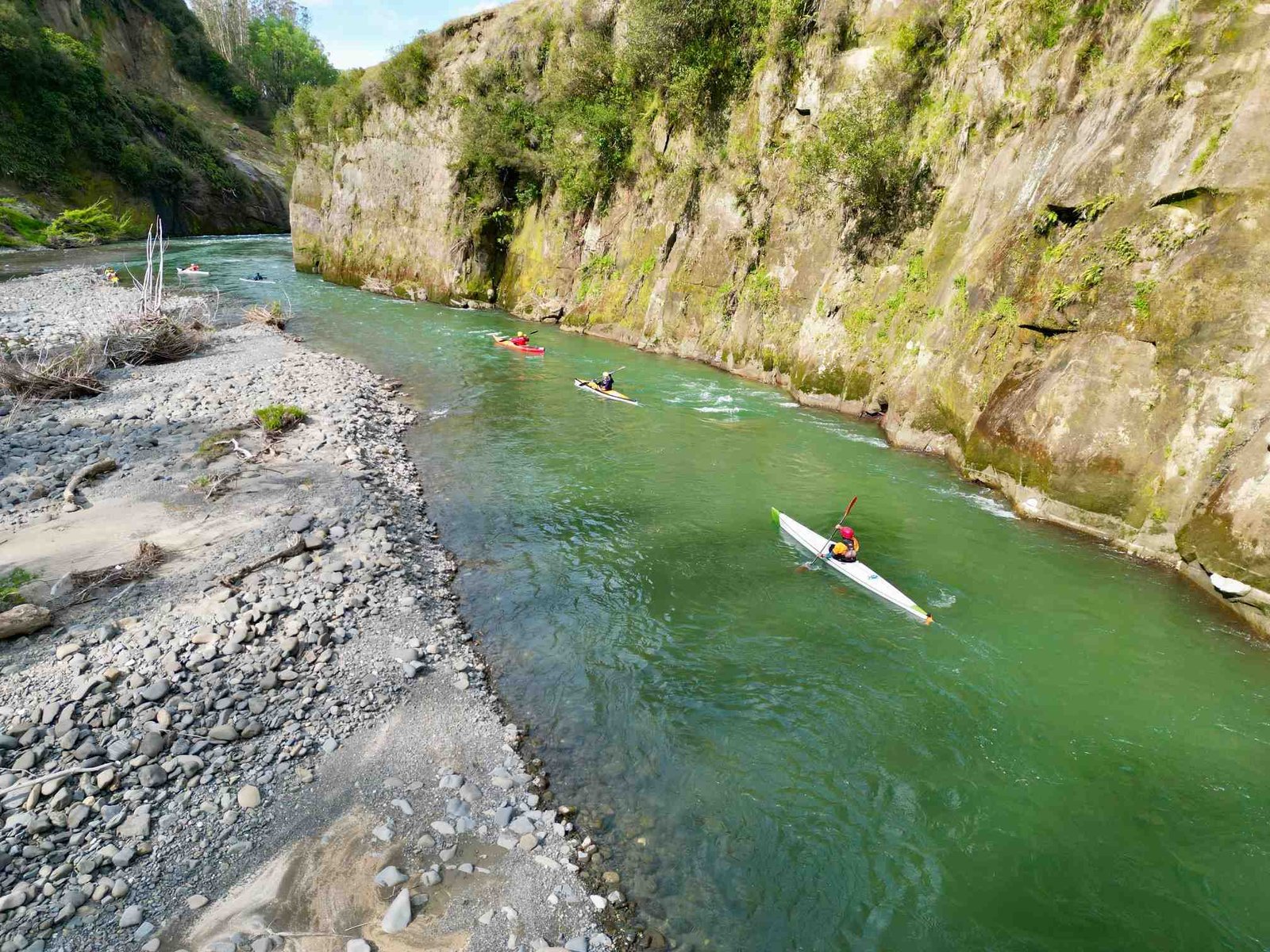
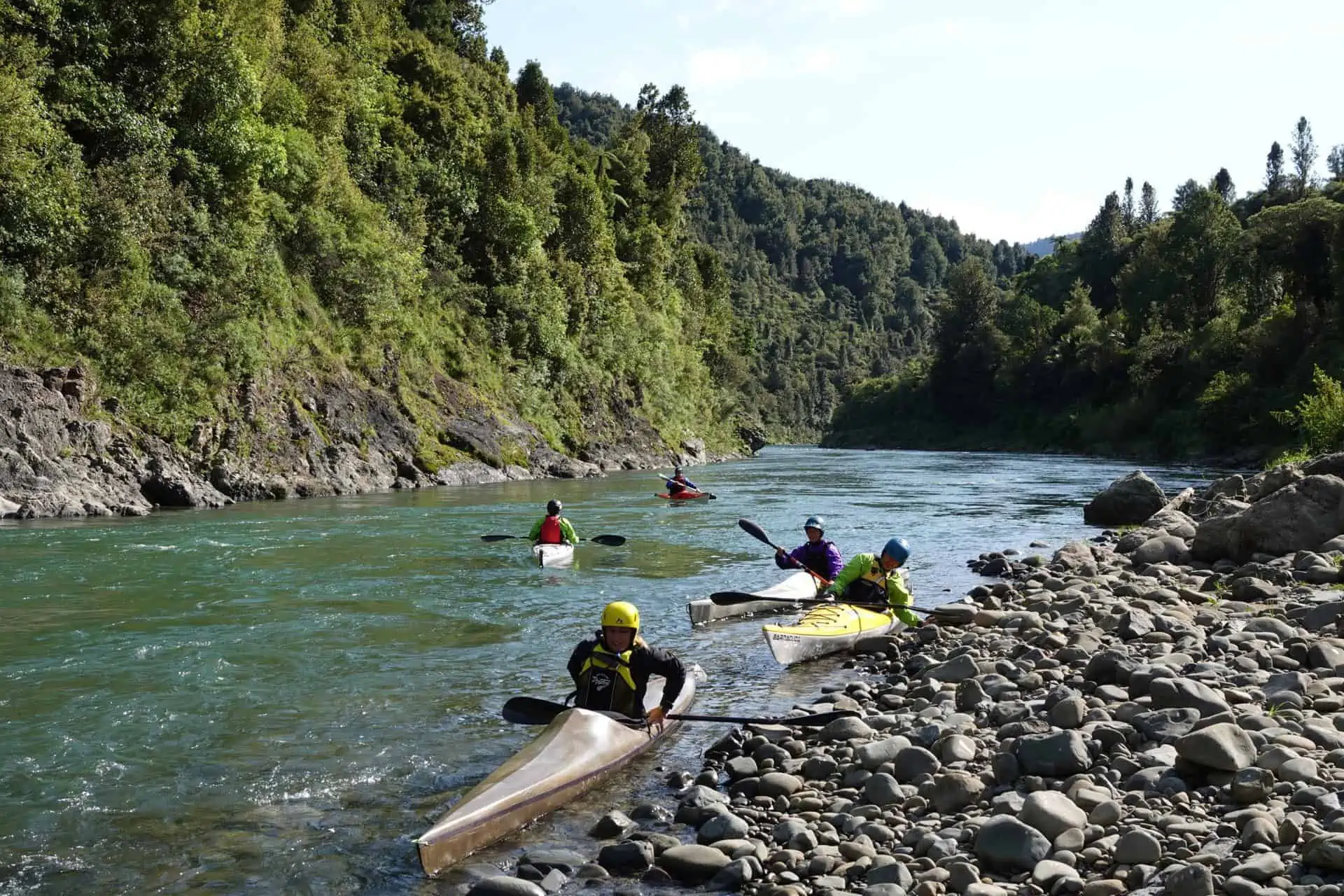
 Course Overview: Our Multisport Kayak Training Course provides targeted, skills-intensive instruction specifically designed to elevate your multisport kayaking performance, whether you’re just starting your multisport journey or are already preparing for your next Coast to Coast race. This two-day program often directly precedes our Grade 2 Certificate (G2C™) course, enhancing your ability to confidently navigate Grade 2 rivers.


Why Choose Social Nature Movement for Kayak Training?

  • Expert guidance with extensive kayaking experience

  • Specialised coaching tailored to multisport demands

  • Ideal for newcomers and experienced paddlers seeking enhanced technique

  • Flexible training sessions near your location (home, school, or work)

  • Comprehensive instruction on both flat and moving water


Course Highlights:

  • Intensive kayak skill refinement

  • Techniques for efficient paddling and optimal river navigation

  • Safe and progressive skill-building approach

  • Nature-focused adventure and physical exercise

  • Welcoming community and excellent instruction

  • Instant confirmation email upon booking


Difficulty: Moderate – suitable for paddlers of various experience levels.

Accommodation: Typically campground-based with full amenities. Optional Glamping available, fully set up and hassle-free.

Meals: Self-catered.

Locations: Dependent on weather and participant needs, key rivers include:

  • Mohaka River (Napier)

  • Waioeka River (Opotiki)

  • Rangitikei River (Taihape)

  • Waikato River (Taupo)

  • Rangitaikei River (Rotorua)

  • Whanganui River (Taumarunui)

  • Tongariro River (Turangi)


Performance-Focused Multisport Training: Our program prioritises quality practice and proper technique, recognising that targeted and supervised training significantly enhances performance. Regular assessments by experienced coaches ensure optimal form and strategic training adaptations.


Kayak Performance Levels Explained:

  • Stable Kayaks: Suitable for beginners, providing confidence in Grade 2 conditions.

  • Intermediate Kayaks: Require foundational river skills and fitness, suitable for moderately experienced paddlers.

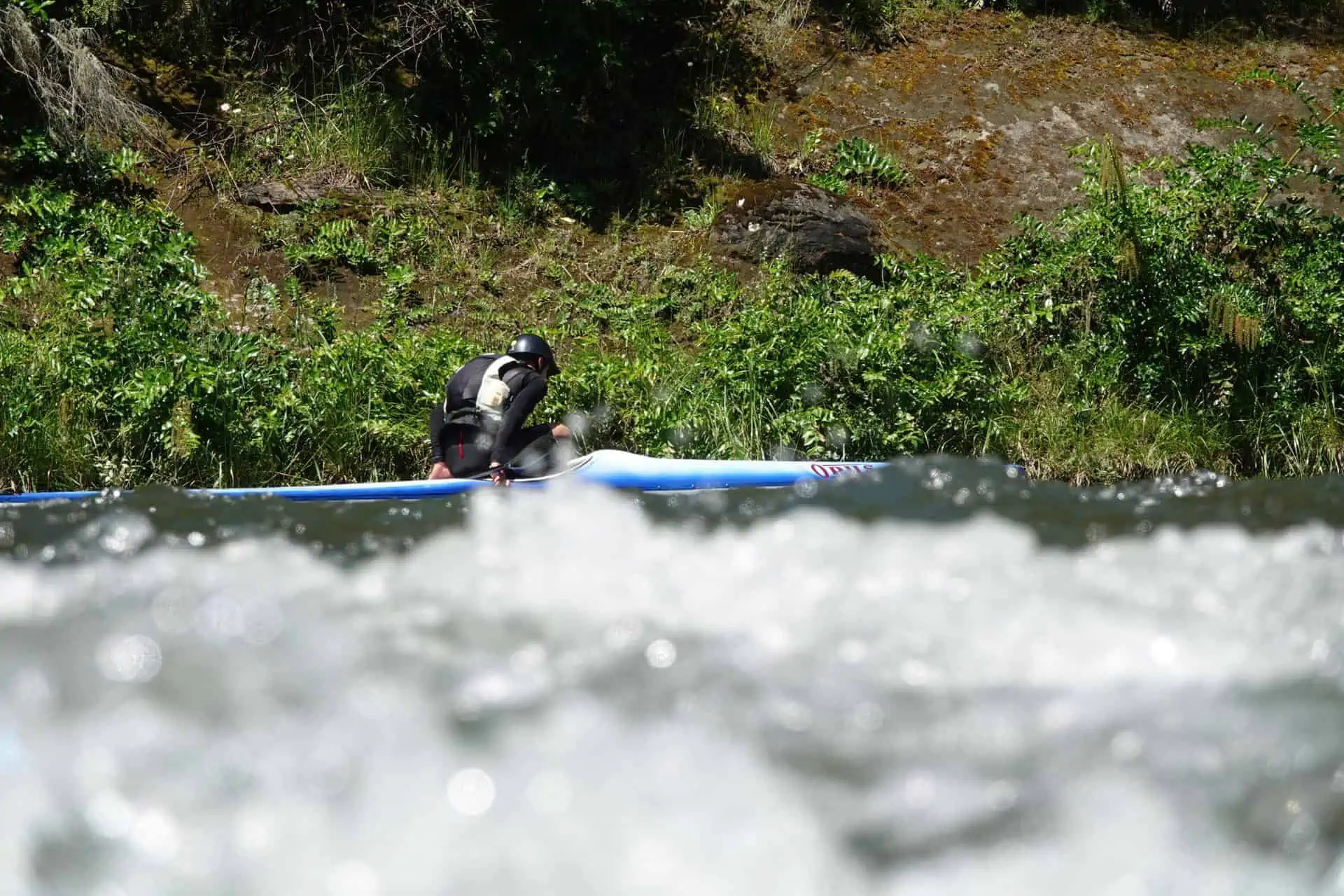
  • Elite Kayaks: Designed for highly skilled paddlers, requiring excellent fitness and constant forward momentum to maintain stability in dynamic water conditions.


Kayak Refresher Training: If your previous Grade 2 Certificate (G2C™) was completed some time ago, our two-day refresher package helps regain river confidence, evaluate current skills, and return to peak paddling form.

Join us for your Multisport Kayak Training Course and confidently embark on your Coast to Coast adventure. Navigate rivers expertly, refine your racing strategies, and belong among New Zealand’s passionate multisport paddling community.

Secure your spot today! Click our booking tab, press the book now button, or fill out an enquiry form.

Skills


Strokes:
Forward
Sweep
Reverse
Low brace
Draw / sculling

Variables:
Angle
Speed
Edge
Deflection

Abilities:
Ferry Glides,
Wet-exit,
River rescue and water safety:
Self-rescue,
Rapid float swim position,
Rescued by rope and boat,
Swimming,
Throw-bagging.
 

Knowledge


Interpreting weather reports and river flow data,

Clothing and equipment:
Kayak
Paddle
Spray deck
Personal Flotation Device (PFD)
Helmet
Dry top
Insulation

River hydrology:
Racing lines
Rapids
Eddys
Wave trains
Holes
Buffer waves
Side currents
Bluffs
Braids
Boils

River rescue and water safety:
Hypothermia,
Hazard identification and management,
Broaching
Strainers
Foot entrapment
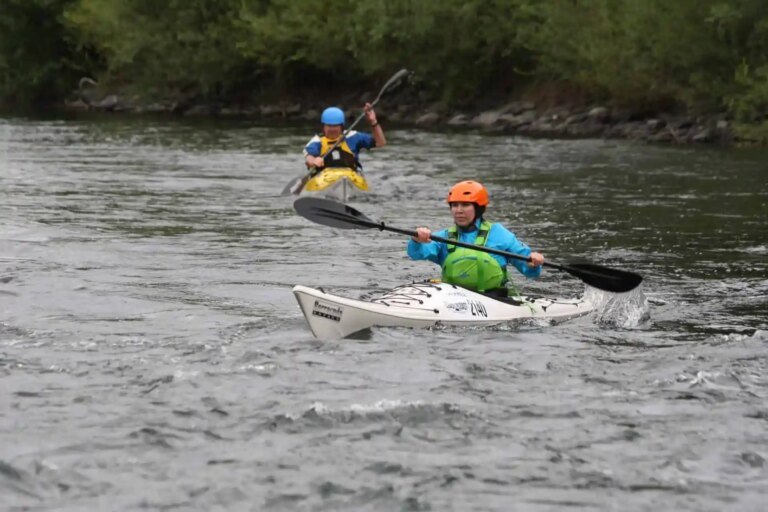
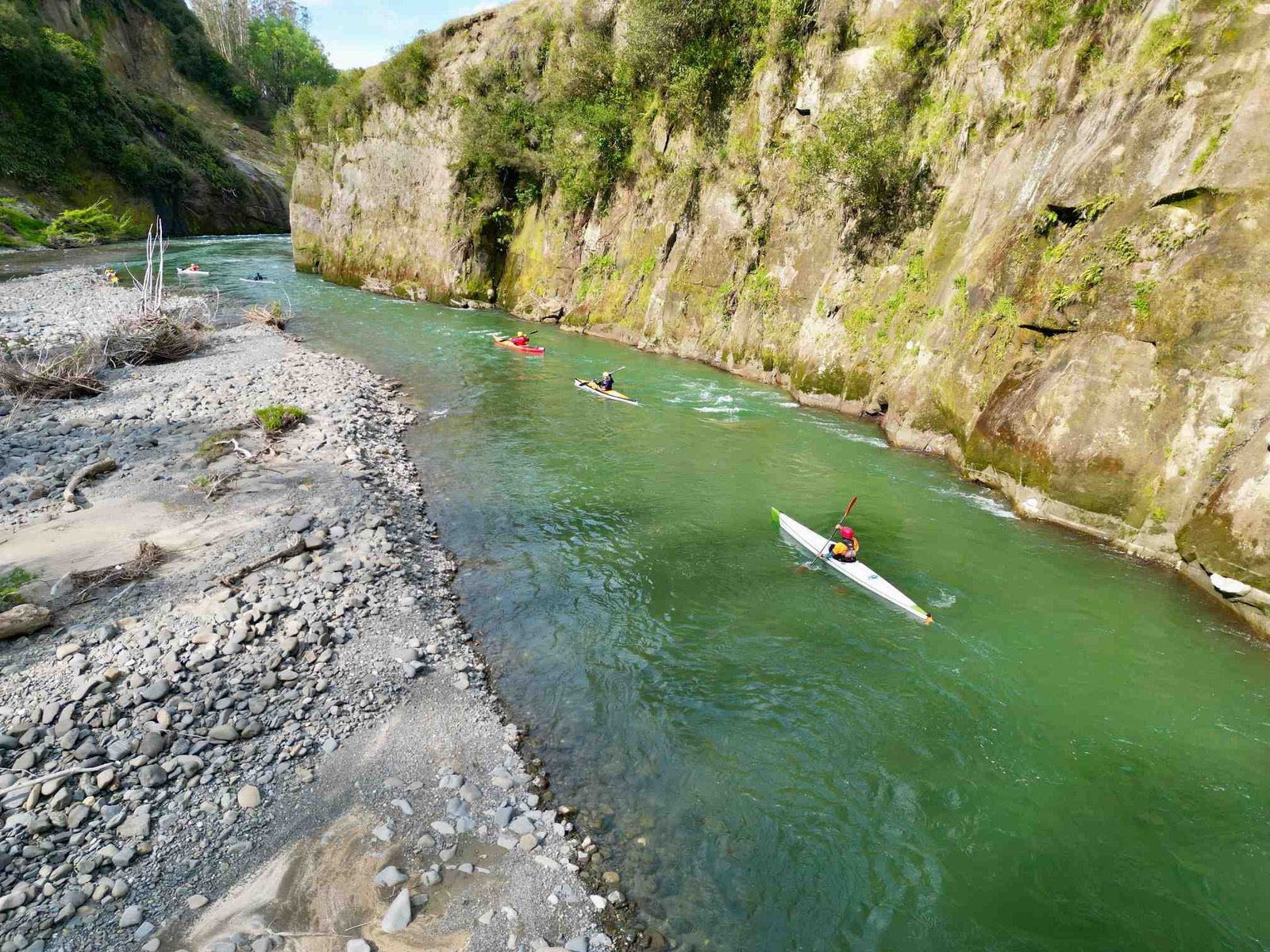
C2C compulsory kit

Clothing

  • Long sleeve thermal base layer top
  • Long sleeved mid layer top (>220gsm)
  • Waterproof long sleeve ‘paddle specific’ jacket (seam-sealed and neoprene or cinchable cuffs and neck)
  • Thermal gloves
  • Full length thermal base layer pants
  • Waterproof pants (seam-sealed)
  • Thermal hat
  • Thermal socks

Equipment

  • Barracuda Kayak: BeachcomberEnigmaWaimakDuo
  • Two flotation air bags
  • Kayak / river specifc helmet
  • Paddle
  • Spray skirt
  • Bouyancy vest (PFD) (type 406 bottom cinch strap webbing)
  • Repair / duct tape (>10m)
  • Dry-bag (seam-sealed)
  • Survival bag not blanket (must be stored in your PFD)
  • Whistle (must be connected to you)
  • First aid kit (1.5m x 5cm crepe bandage, 2.5m x 2cm strapping tape, 10 Band-Aids, Triangular bandage, Scissors, 4 x pain relief tablets)

SNM required kit

Clothing

  • Shorts
  • Swimwear
  • Long sleeve thermal base layer top – we reguire an extra
  • Long sleeved mid layer top (>220gsm) – we require an extra
  • Sunhat
  • Neck warmer / scarf

Equipment

  • Jandals
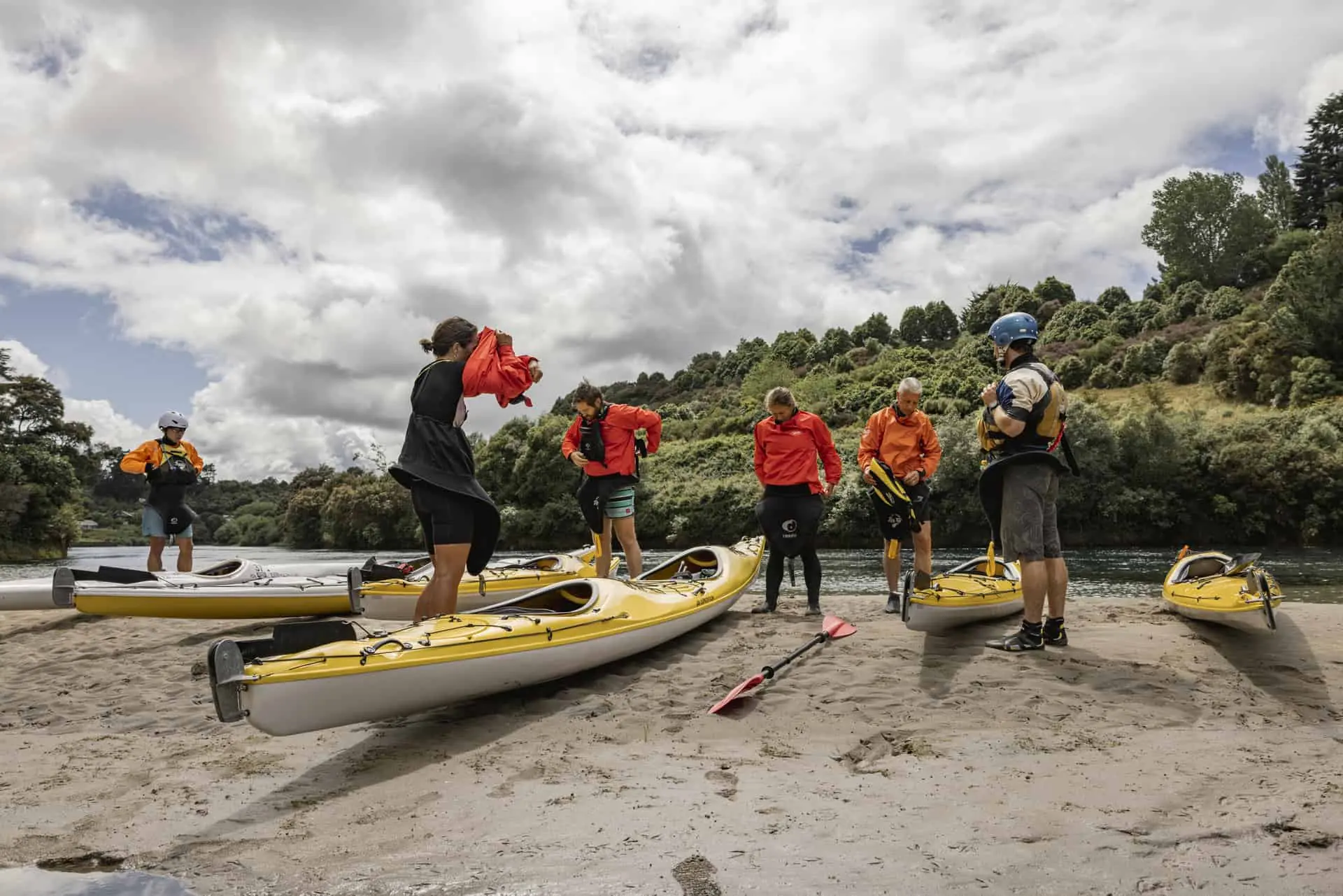
  • Closed-toe footwear / booties
  • Sunglasses
  • Personal medication
  • Water bottle
  • Head torch
  • Toiletries

Because we are staying overnight, should you choose not to be accommodated and fed by us, here is what you will need:

Sleeping

  • Sleeping bag
  • Pillow
  • Inflatable mattress
  • Tent

Cooking

  • Cooker
  • Fuel / gas
  • Lighter / matches
  • Pot / frying pan
  • Cutlery
  • Crockery

All of the above is available to rent / hire or buy

What is the benefit of a kayak training course?

The benefit of a kayak training course among others ensures you are less injury prone, more efficient at paddling, with powerful and precise paddle strokes while enjoying kayaking with ease and indeed faster.

What is the best multisport kayaking technique?

The best multisport kayaking technique engages all the right muscles at the right time to get that boat gliding through the water as fast as possible.

Is kayaking hard to learn?

Kayaking can be as easy or challenging as you want, depending on your choice of on-the-water environments. You can learn the basic skills for kayaking in protected waters in just a few hours. It’s best to take a class with a qualified instructor, to get started quickly and safely.

Is kayaking easy for beginners?

Kayaking is not as hard to learn as you might think. You only need a few basic skills to paddle effectively. You need a good guide or instructor to help you learn how to enter and exit a kayak, how to perform the forward stroke and the sweep stroke for turning the boat, and a few lessons on safety.

What muscles are kayaking good for?

The main muscles used in kayaking are your abdominals, lats, biceps and forearms. Essentially, kayaking works all the muscles in your shoulders and back. After several months of kayaking multiple times a week, you will begin to see muscle development in your lats.

How do I increase my stamina for kayaking?

While a well-executed stroke doesn’t rely on the shoulders for power, your shoulders are in constant motion throughout a stroke sequence. The pull-down exercise can help you build up the endurance to handle long stretches of forward paddling.

Is kayaking harder than running?

Paddling is as hard as other endurance sports. However due to the specific muscles involved (mainly upper body for recreational kayak) it can be more exhausting than other endurance sports for a beginner (e.g. running).

Can you get ripped from kayaking?

At the recreational level, paddling and rowing are primarily endurance activities, sustained for long periods of time. On the plus side, that means they’re great for aerobic fitness.

Does kayaking burn belly fat?

Kayaking can help you lose weight. It is for this reason that kayaking is one of the top exercises that burn more calories than the traditional weight loss workout which is jogging. So if you want to get that summer, bikini-ready body, then kayaking is the way to go. It definitely is a thrilling activity to lose weight.

Who will be my guide / instructor / teacher?

We select the best staff for the job based on their skills, knolwedge and experiences. They will be an SNM staff member or we will bring in support from equally competent contractors. Sometimes we also bring in (semi)celebrity guests!

Multisport Kayak Training Course (1–2 Days)

Multisport kayak training courses provide comprehensive instruction in various disciplines of kayaking, including whitewater, sea kayaking, and river racing. Participants learn essential paddling techniques, safety protocols, and navigation skills. These courses offer a structured pathway for skill development and prepare individuals for multisport kayaking competitions and adventures in diverse water environments

Multisport Kayak Training Course

Multisport kayak training courses provide comprehensive instruction in various disciplines of kayaking, including whitewater, sea kayaking, and river racing. Participants learn essential paddling techniques, safety protocols, and navigation skills. These courses offer a structured pathway for skill development and prepare individuals for multisport kayaking competitions and adventures in diverse water environments.

2hr free Flat and Moving Water session in Auckland with every course booked!

Multisport Kayak Training Course (1–2 Days)

Central North Island Rivers | Skill-Focused Kayak Coaching

If you want to improve your kayak skills safely, efficiently, and with purpose—without the added pressure of formal assessment—our Multisport Kayak Training Course is designed to do exactly that.

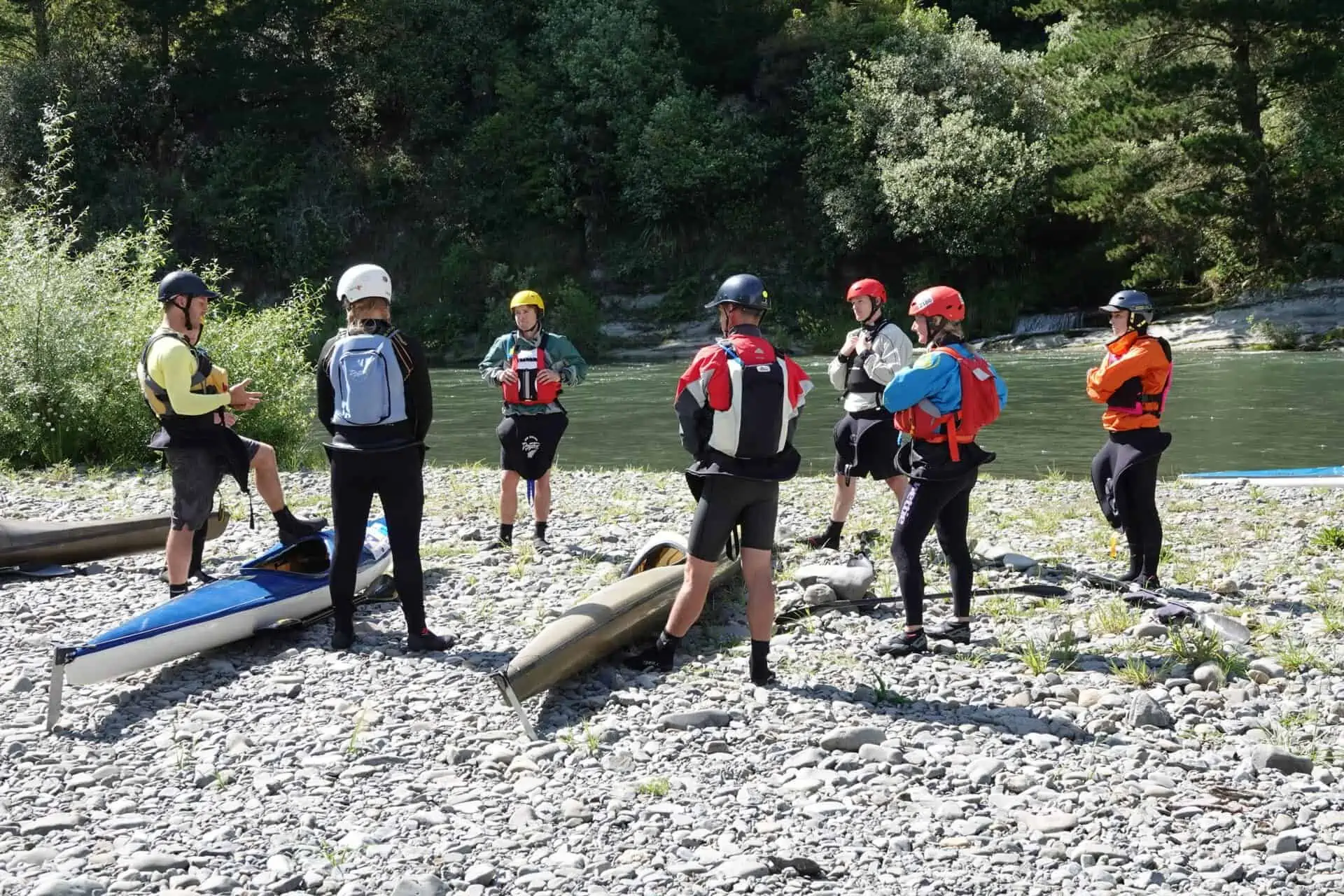
This programme is pure coaching: focused on building capability, confidence, and flow on moving water. Delivered over one or two days, it provides high-quality instruction in a format that fits alongside work, training, and other commitments—without compromising learning outcomes.

Where this fits in the SNM Grade 2 Pathway
This training is the foundation stage of our Grade 2 paddler system.
It exists to build real moving-water capability before any assessment is considered.

There is no testing, no pass/fail, and no pressure to certify. Many paddlers complete this training weeks or months before pursuing formal Grade 2 certification.

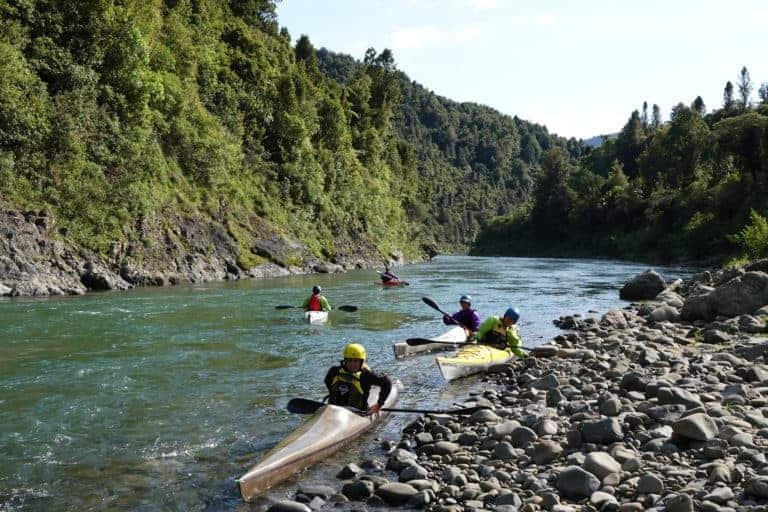
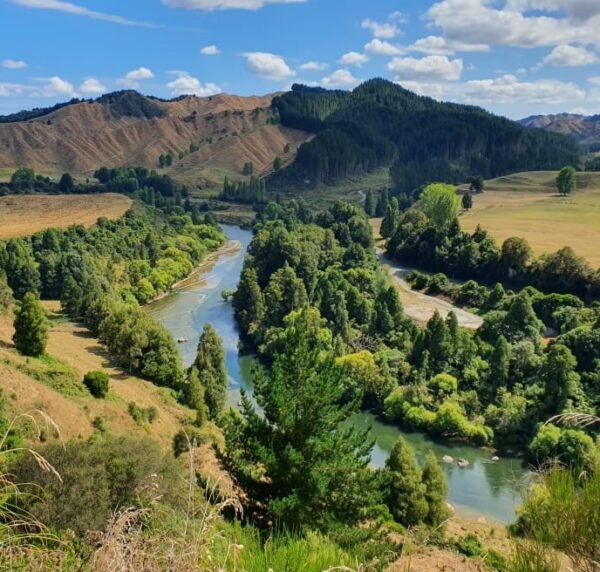
We deliver this training exclusively on proven Central North Island rivers, selected for progression, technique development, and realistic multisport paddling conditions:

  • Mohaka River
  • Waioeka River
  • Whanganui River
  • Tongariro River
  • Waikato River
  • Rangitīkei River

By using these rivers consistently, paddlers build momentum, refine technique, and develop real-world river confidence—without wasting time relocating.

BONUS INCLUDED WITH EVERY BOOKING

Complimentary 2-hour Flat & Moving Water Kayak Session in Auckland
Perfect for foundational technique, assessment preparation later, or post-course consolidation.

Overview

Trip type: Water / Kayaking

  • Group size:1–8 (small-group coaching)
  • Difficulty:Moderate (tailored to ability; ideal for developing Grade 1–2 competence)
  • Duration options:1 day or 2 days (overnight option if 2 days)
  • Accommodation (2-day option):Usually campground with full facilities; optional glamping available
  • Meals:Self-catered
  • Dates:Choose your preferred dates and use the “Book Now” button for instant confirmation

SNM delivers a Grade 2 paddler capability lifecycle.

This lifecycle has three states:

  • Build confidence (training)
  • Validate competence (certification)
  • Maintain capability (refresher / re-certification)

What This Training Focuses On

This is not an assessment or certification programme. It is structured coaching designed to help paddlers:

  • Develop efficient paddling technique and forward propulsion
  • Improve boat control, balance, edging, and manoeuvrability
  • Read river features such as eddies, currents, lines, and obstacles
  • Build confidence in moving water environments
  • Communicate and paddle effectively within a group
  • Understand appropriate gear selection and safety systems

This course suits:

  • Multisport athletes wanting sharper kayak performance
  • Recreational paddlers stepping up from flatwater or Grade 1 rivers
  • Returning paddlers rebuilding confidence and skill
  • Paddlers preparing for future Grade 2 assessment or longer river journeys

What this training is not
– This is not a certification
– This does not include formal Grade 2 assessment
– This is not designed to “tick a box” for race entry

It is designed to make future certification easier, calmer, and cleaner.

Why a 1–2 Day Format Works Well

Focused learning

Shorter, concentrated sessions allow skills to be introduced, practised, and reinforced while paddlers are fresh and receptive—often leading to faster improvement and better retention.

Flexible and practical

Many paddlers balance training with work and family life. A 1–2 day format makes high-quality coaching accessible while still delivering meaningful progression.

Freedom from assessment pressure

With no formal sign-off on the day, paddlers can practise freely, explore different lines, ask questions, and focus on learning rather than “performing”—which typically produces better technique development.

What to Expect: 1-Day Option

Day 1 — Core Paddling & River Awareness

  • River dynamics, risk awareness, and safety systems
  • Efficient forward paddling mechanics and boat control
  • Reading currents, eddies, and line choice
  • Practical drills on suitable river sections
  • Ongoing, real-time coaching feedback

Outcome: Clearer technique, stronger paddling mechanics, and increased confidence on moving water.

What to Expect: 2-Day Option

Day 1 — Foundations & Moving Water Skills

  • Paddle technique fundamentals
  • Balance, edging, and control
  • Introduction to moving water environments
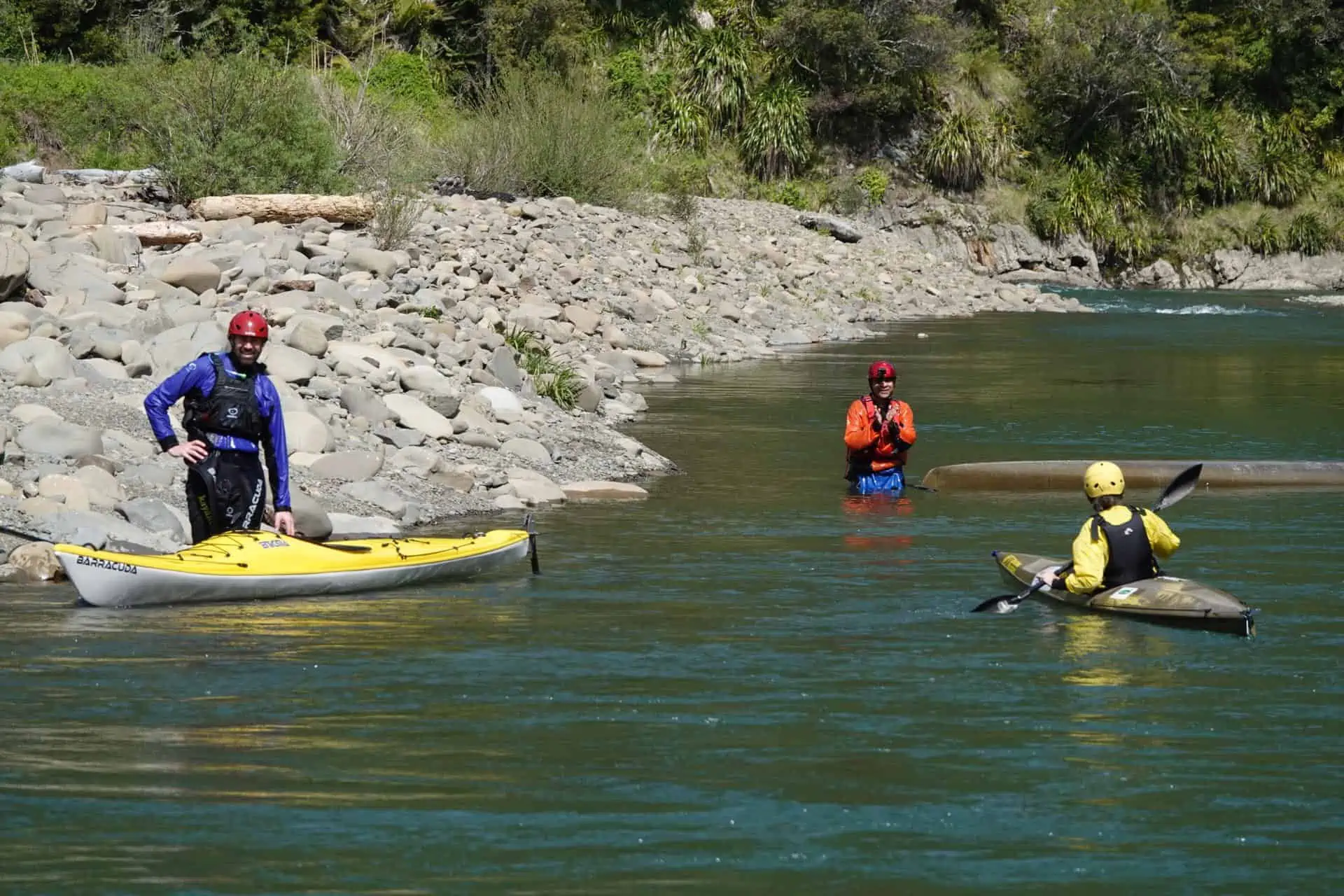
  • Wet exits, swimming in current, and basic rescue systems

Day 2 — Flow, Integration & Performance

  • Advanced manoeuvres (eddies, ferry glides, quick turns)
  • Reading and comparing multiple line options
  • Group dynamics, spacing, and river communication
  • Longer river runs with performance-focused coaching

Outcome: Deeper skill integration, improved efficiency, and stronger confidence—particularly valuable for longer multisport kayak stages and future Grade 2 assessment readiness.

Skills Covered (Technical)

Strokes

  • Forward stroke
  • Sweep stroke
  • Reverse stroke
  • Low brace
  • Draw / sculling

Variables

  • Angle
  • Speed
  • Edge
  • Deflection

Abilities

  • Ferry glides
  • Breaking in/out of eddies
  • Wet-exit
  • River positioning and line holding

Safety & River Competence (Training Focus)

  • Self-rescue fundamentals
  • Rapid float swim position
  • Swimming across wave trains and eddy lines
  • Throw-bagging awareness and safe rope handling
  • Hazard recognition and avoidance:
  • Strainers, broaching, foot entrapment, cold risk/hypothermia
    • Basic river signals and group communication

This training builds competence and calm decision-making—so performance improves because safety becomes automatic, not because risk is increased.

Knowledge Outcomes

Participants develop practical understanding of:

  • Interpreting weather forecasts and river flow data
  • River hydrology and key features:
  • Eddies, wave trains, holes, buffer waves, bluffs, side currents, boils, braids
    • Equipment suitability and systems:
  • Kayak selection, paddle fit, spray deck use, PFD/helmet standards, insulation strategies

Central North Island Rivers: Consistency Matters

By focusing on Mohaka, Waioeka, Whanganui, Tongariro, Waikato, and Rangitīkei rivers, this course offers:

  • Reliable Grade 1–2 water suitable for progression
  • Minimal travel and more time on the water
  • Skills that transfer directly to multisport kayak stages
  • Environments that reward good technique and decision-making

Consistency in river choice creates clarity in learning outcomes—you spend your time improving, not relocating.

Your Pathway (Especially for Coast to Coast)

SMany paddlers follow a simple, effective progression:

  1. Multisport Kayak Training (this course)— build fundamentals, confidence, and technique
  2. Moving Water Workshops / additional river days— consolidate under varied conditions
  3. Grade 2 Certificate (G2C™)— assessment and sign-off when ready
  4. Refresher or performance coaching— better lines, faster times, calmer decisions


Online Theory Component (Optional)

If you want to maximise river time, core theory can be completed online prior to training. This covers safety systems, hazard awareness, and equipment fundamentals—so your day(s) are spent primarily on on-water learning.

No. Beginners through to intermediate paddlers can benefit. Coaching is tailored to group ability and river choice.

No. This is training-only. If you want certification, choose a Grade 2 package or assessment option

Yes. Many paddlers use this as preparation for a Grade 2 certificate pathway.

Reliable flows, progressive features, realistic multisport conditions, and minimal logistical friction

The 1-day option builds a strong foundation. The 2nd day adds integration, efficiency, and confidence.

We select experienced SNM staff and, where appropriate, equally competent contractors. Our priority is coaching quality, safety leadership, and meaningful skill transfer.

A Focused Pathway to Better Paddling

The Multisport Kayak Training Course (1–2 days) delivers high-quality coaching in a practical, well-designed format. Whether you’re preparing for multisport events, refining technique, or building confidence on moving water, this course provides meaningful progression—without assessment pressure.

Next steps (when you’re ready)
Most paddlers progress from this training into either:
– the Grade 2 Certificate (assessment-only), or
– the Training + Certificate Package (coached assessment pathway)